
China Brands, Marketing & Consumers
Starbucks Goes Xinjiang & The Kardashians in China
Starbucks rebrands as “Star-Bazaar” in Urumqi—what does it say about shifting perceptions of Western brands in China? Also: a cheating sports influencer and the souvenirs that became most hated.

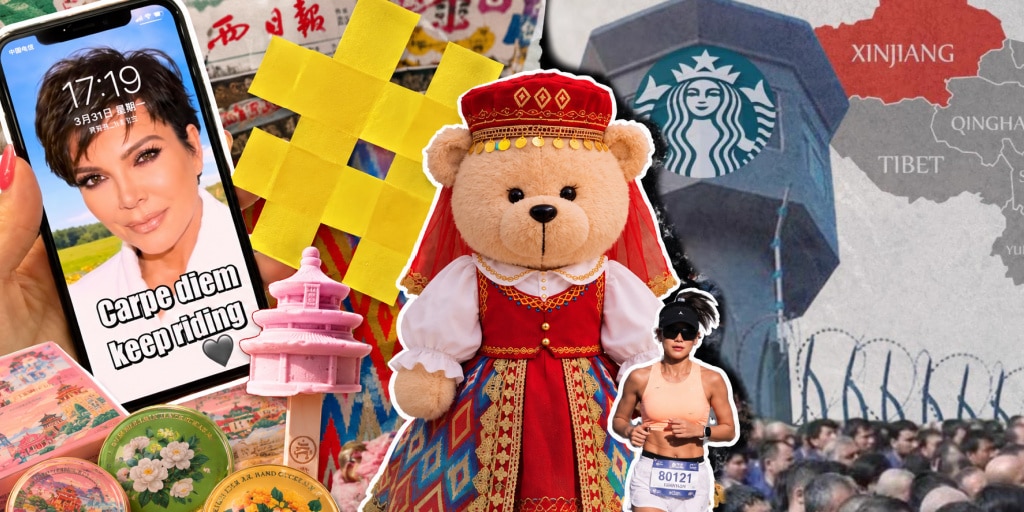
Originally published in the Eye on Digital China newsletter on Sunday, October 4, 2026.
In this edition:
- Quick scrolls: A Chinese athlete cheated her way to the Berlin Marathon’s finish
- Zooming in: When Localization Gets Political: Starbucks Goes Xinjiang
- On the Feed: The Kardashians in China
- Phrase of the Week: The 3 souvenirs sold everywhere, but nobody wants them
🗞️ QUICK SCROLLS
🇯🇵 The National Day holiday has begun, but nobody’s going to Japan. Although Japan was the number one outbound destination for Chinese travelers during last year’s October holiday, it has now dropped out of the top ten destinations entirely. According to data from Chinese tour operator Tuniu (途牛), Indonesia, Turkey, and South Korea are among this year’s most-booked overseas destinations.
🚲 Chinese fitness influencer “Abeeeer” was caught cheating during the Berlin Marathon after she posted about running her “personal best.” The sport-blogger (530k+ followers on Xiaohongshu) was photographed riding on the back of a bicycle around the 38-kilometer mark. On Saturday, she publicly apologized and admitted that she had broken the rules and that she was “feeling unwell.”
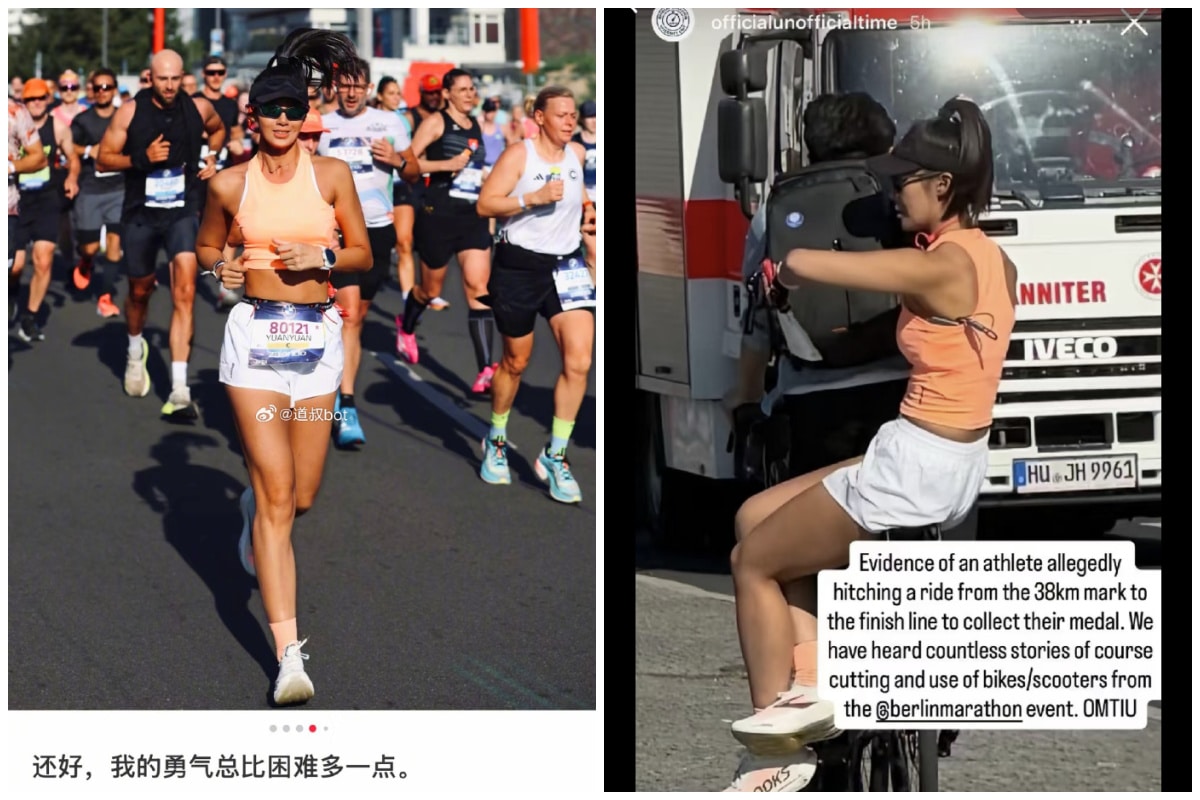
The sports influencer was caught hitching a ride to the finish line.
🏳️🌈 Japanese volleyball player Rui Takahashi came out as gay on Tuesday, saying he wanted to help others struggling with their sexuality by coming out publicly. On Douyin, many Chinese fans and commenters praised Rui for his bravery.
🤖 Former Global Times editor-in-chief Hu Xijin (胡锡进) published a National Day essay praising the country’s achievements but forgot to delete the AI chatbot’s closing follow-up question (”Would you like me to read through the whole text again and check it for omissions?”). Hu quickly deleted the AI prompt, but “Hu Xijin’s National Day AI ghostwriting fail” had already gone trending.
⚽ Chinese football produced…


China Brands, Marketing & Consumers
Quack Like a Goose: Why Beijing Street Vendor “Auntie Goose Legs” Sparked a Nationwide Debate
After the first complaints surfaced, Auntie Goose Legs admitted the truth about her business: she ha been selling duck legs all along.

Chapter Dive
My Mum Has Two Husbands: The OPPO Mother’s Day Fiasco and 7 Other Gender Marketing Fails in China
Inside OPPO’s Mother’s Day PR fiasco and other failed marketing campaigns in China’s gender minefield
Eye on Digital China is a reader-supported publication by
Manya Koetse (@manyapan) and powered by What’s on Weibo.
It offers independent analysis of China’s online culture, media, and social trends.
To receive the newsletter and support this work, consider
becoming a paid subscriber.


Starbucks Goes Xinjiang & The Kardashians in China

Red Carpet, Pandas, and Power: How China Read the Trump-Xi Summit

Keeping Score of History: The Mukden Incident and China’s Basketball Defeat to Japan

The Rise of “Shuaqi-ism,” Taking Starbucks to the Fields, and Pretending to Go to Work

Why Japan Has So Many Surnames, China’s Back-to-School Shifts & Taiwan Pavilion Trouble

“God Won’t Save Us, but the PLA Will”: Floods, Faith, and Kung Fu Soccer Nostalgia

How Chinese AI Videos Turned Foreigners into Villains

The Power of Ugly: Why Niu Lai Became China’s Unlikeliest Box-Office Hit

AI Actress Ad Pulled, Baihaitun Disrupts Shanghai and Cicada Meme Bugs Huawei

Blame Games & Bad Signs: Nepal–Tibet Floods, Huawei’s Toilet Trouble, “Screwed” Graduates
-
 Chinese New Year8 months ago
Inside Chunwan 2026: China’s Spring Festival Gala
-

 China Brands, Marketing & Consumers11 months ago
Hasan Piker’s China Trip & the Unexpected Journey of a Chinese School Uniform to Angola
-

 Chapter Dive7 months ago
Inside the Great Chinese Debate Over the Iran War
-

 China Trend Watch11 months ago
Japan Tensions, Nexperia Fallout, Yunnan’s ‘Wild Child,’ & “Modern Opium”