
China Travel
Chinese Tourists in Europe: Getting Robbed Is Part of the Experience
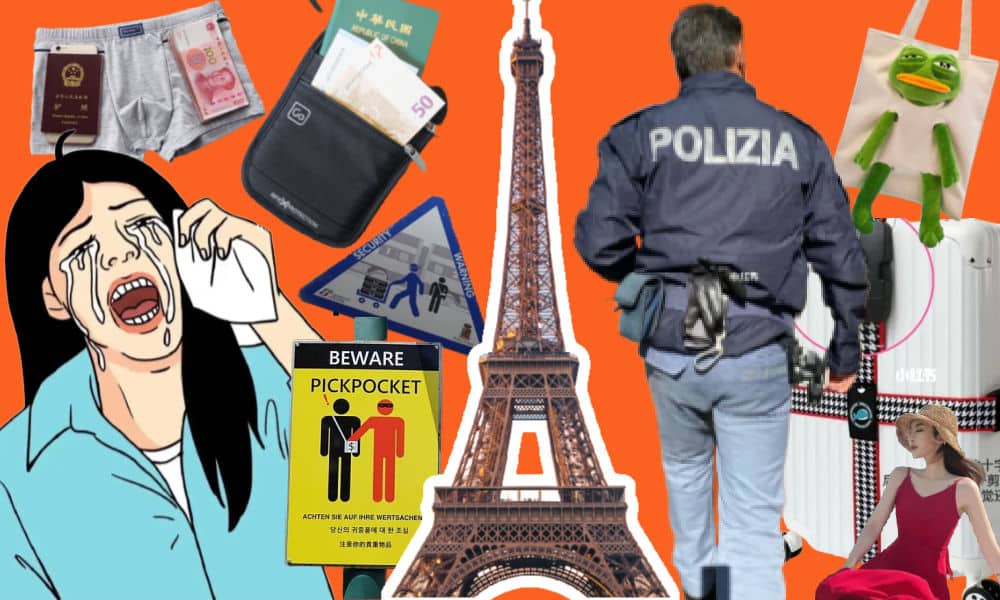
“The Best Anti-Theft Strategy in Europe”? Chinese netizens are sharing tips how not to get robbed during their Europe trip.

PREMIUM CONTENT
In this post-pandemic days, a growing number of Chinese tourists are making their way to Europe, some for the first time in years. As the practice of chronicling one’s journey on social media has become part of the travel experience, Chinese platforms like Xiaohongshu, Douyin, and WeChat have witnessed a surge in posts capturing Europe trip adventures.
Unfortunately, many of these posts are about Chinese tourists getting their phone stolen, their wallet nicked, or being robbed of their travel bags.
When it comes to European destinations, Paris stands out as one of the most notorious places where Chinese travelers frequently report incidents of robbery. However, social media is also filled with posts recounting unfortunate experiences in cities like Barcelona, Rome, Venice, Amsterdam, and London.
The average Chinese tourist is often a vulnerable target for thieves and pickpockets in Europe for several reasons. They are often equipped with premium gadgets, wear designer’s clothes, and are frequently engrossed in their smartphones. Many Chinese tourists also find handling wallets, cards, and physical currency unfamiliar due to their background in a cashless society.
Additionally, the challenges of using China Unionpay cards for payments in many European locations, coupled with difficulties in withdrawing money from conventional ATMs, lead Chinese travelers in Europe to carry substantial amounts of cash. This, combined with a general lack of awareness about potential dangers, makes Chinese travelers in Europe more susceptible to theft.
Getting robbed in Europe is now so commonplace among Chinese tourists, that some argue that “if you haven’t been robbed, you didn’t get the full Europe experience.”
“The Europe Experience”
So what is that ‘Europe experience’ people are talking about?
Of course, many posts concerning Europe travel among Chinese tourists center on savoring delightful cuisine, admiring beautiful architecture, and exploring world-famous sites. Yet, a significant portion of these posts is focused on sharing personal experiences of becoming victims of theft in European cities.
Below, we have highlighted the most-mentioned cities on Chinese social media when it comes to getting robbed and what kind of experiences are shared for these locations.
◼︎ Amsterdam: Subtle and Sudden
Many who share their unfortunate experiences of falling victim to theft in Amsterdam or other parts of the Netherlands often recount having their valuables stolen on trains or at train stations, frequently right after arriving in the country from Schiphol Airport or traveling from other European destinations via international trains. Numerous accounts emphasize how a mere moment of distraction can lead to the sudden discovery that their bags have disappeared. The same vulnerability applies to stolen phones – some people share how one moment their smartphone was in their hand, only to be gone the next minute, without even realizing they had somehow let go of it.
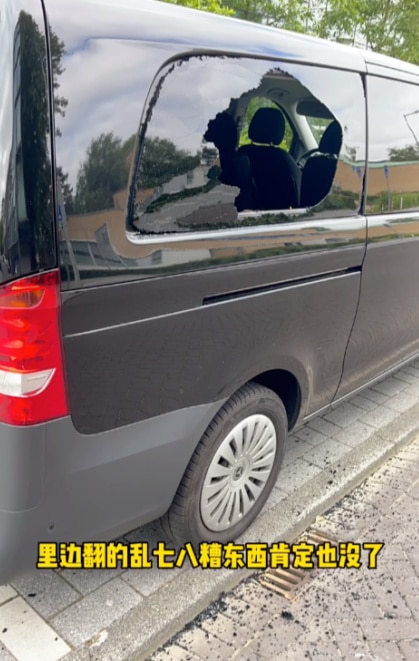
Furthermore, alongside incidents involving theft on trains or at train stations, another common way tourists experience robbery in Amsterdam is through valuables being stolen from parked cars. A recent account highlights an incident where an individual’s parked car, situated near a hotel, had its windows smashed, resulting in the loss of all items except their Van Gogh museum souvenirs.
◼︎ Barcelona: Bold and Brazen
Barcelona is also infamous for tourists becoming victims of theft. In July of this year, the Chinese Consulate General in Barcelona even issued a warning to Chinese nationals about the risks. Accounts shared by Chinese travelers on social media highlight that theft experiences in this city lack subtlety compared to those in Amsterdam; thieves in Barcelona tend to employ bolder and rougher tactics.
Several Chinese tourists recount incidents where, upon exiting the subway, they encountered individuals who deliberately splashed paint, ketchup, or other substances on their bags or clothes to create a distraction. Caught off guard and attempting to clean off the mess, they became vulnerable to pickpocketing and subsequently lost their phones and wallets.
There are exceptionally audacious thieves who won’t hesitate to snatch bags or phones from tourists right within the subway or even on bustling streets like the Ramblas. They make a swift getaway with the stolen items. Certain Chinese bloggers have shared their experiences of attempting to fend off thieves who targeted their crossbody bags or other belongings, only to feel a sense of regret afterward, realizing that the thieves might have been armed with knives.
◼︎ Brussels: With Love and Chocolates
There are also reports coming from Chinese tourists in Brussels who are warning others of their experiences with thieves there. Some of these thieves seem surprisingly sweet-toothed and romantic, like the thief who first told his victim “I love you” before trying to snatch their phone.
Compared to other theft experiences, another man’s encounter in Brussels took on a somewhat amusing tone. He shared his exasperation over an incident where a man unexpectedly reached into the bag of chocolates he had just purchased in the Belgian capital and snatched a piece of chocolate.1
◼︎ Paris: Nowhere is Safe?
Paris is renowned as one of the most infamous destinations for theft, with many Chinese tourists labeling the city as “unsafe.” From minor pickpocketing incidents to brazen daytime carjackings, a variety of crimes pose challenges for travelers in the French capital.
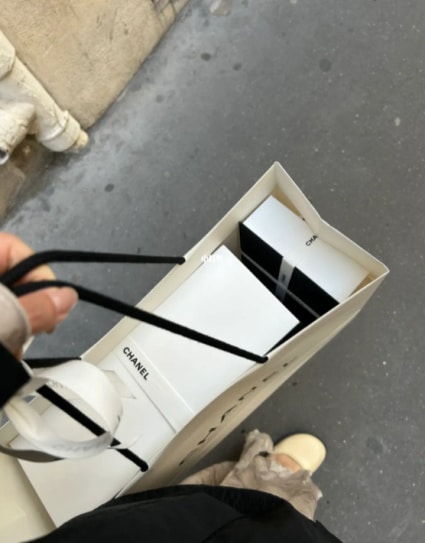
Paris is a favored destination among Chinese travelers who frequently indulge in shopping sprees, purchasing luxury items like Chanel or Louis Vuitton handbags, which increases their vulnerability to theft. Many shoppers bring their bags back to their hotel for safekeeping, and, as an extra measure of caution, opt to store their most valuable things inside the hotel room’s safety box. However, some Chinese tourists recently recounted the unsettling experiences where even their own rooms weren’t secure havens for their valuables. Upon returning to their accommodations, they were dismayed to find everything missing. When raising their concerns with the hotel management, they received the response that the hotel claimed no responsibility for the incident.
The notion that ‘nowhere is safe’ is further underscored by accounts from travelers, including those with rental cars, who have encountered incidents of smashed windows and theft of bags even while inside their vehicles.
Another aspect worth noting about Paris is that certain Chinese nationals, particularly those who are residing in the city temporarily rather than just visiting briefly, have reported experiencing theft for the second time. A user on Xiaohongshu recounted an incident where they were assaulted and robbed near Porte de Clignancourt. Additionally, there are accounts of multiple thieves collaborating to target unsuspecting commuters on the subway.
◼︎ London: Picky Pickpockets
London thieves are infamous for targeting phones, often using aggressive tactics. “Gangs” on scooters or bicycles speed by and snatch phones from people’s hands, especially when they’re using them by the roadside, such as at bus stops or traffic lights.

Some Chinese in London have shared their experiences of thieves attempting to steal their phones, only to realize they were Huawei devices and then tossing them back, seemingly disappointed since they were expecting iPhones. Another Xiaomi user recounted a similar incident. In a separate older post, a Chinese young man recalled a 2022 incident where a duo of thieves snatched his bracelet and watch near Bond Street. Interestingly, they returned his belongings later (with the second person pretending to assist) after realizing they held no significant value and weren’t worth the effort.
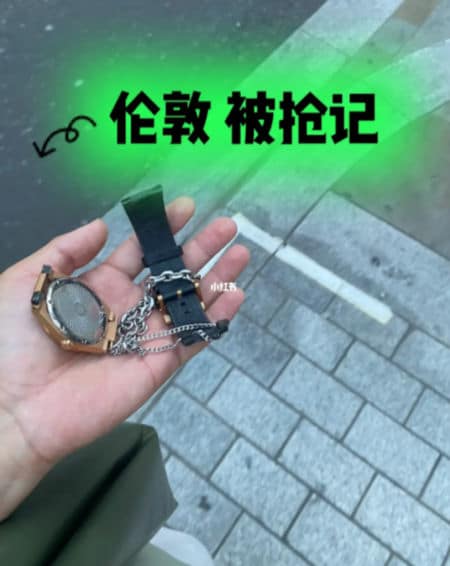
Xiahongshu user Alex Ya Yulun shares a nasty experience near Bond Street.
Another person shared how they discovered that a thief had somehow gotten into their wallet at Euston Station and only took their creditcard, leaving his cash and debit card. The idea behind this – of only stealing one credit card instead of the entire wallet – is that it buys the thief time to go and spend money on the card before it is canceled, as it might take a while for tourists to discover it missing. In this case, the victim was quick to discover and cancel his card via his bank. Just seconds later, he received a notification that someone had attempted to make a purchase worth of 3000 pounds (US$3820) with his card. “That’s how sneaky they are,” he wrote: “They just take one card to buy themselves time.”
◼︎ Milan: Distracted by Pigeons
How nice it is to have dinner outside and enjoy the vibrant citylife. But in Milan, Chinese travelers warn about groups of young people who will come up to your table, pretending to promote something and hand out flyers. While distracting you, they will nick the phone they have spotted on the table.
Distraction seems to be a popular tactic among Milan thieves. Another female Xiaohongshu user shares how she was waiting for someone at a high-end hotel in Milan center, when a man called out to her in English. She turned around to see why, and before she knew it another man had grabbed the purse that was right to her.

Xiaohongshu user BoomerXu shares their experience of the pigeon scam in Milan.
What better distraction than pigeons fluttering around near the Duomo di Milano? A popular Milan tactic involves thieves and scammers coming up to people admiring the view and the many pigeons near the square, and then handing them birdseed causing the pigeons to all come over at the same time – a perfect picture moment. The scammers will then use this as an opportunity to suddenly surround tourists with multiple people and demand money in a forceful and aggressive manner.
◼︎ Rome: Don’t Judge by Appearance
Rome is another notorious place for getting robbed. Some experiences shared on Chinese social media about becoming a victim of theft in the Italian capital are less subtle than those of others. One female solo traveler shared how she walked back to her hotel at night while listening to some music on her headphones, not far Roma Termini, when someone suddenly grabbed her by her throat from behind and robbed her of her camera before running off.
In August 2023, a Chinese PhD student shared a previous incident involving the theft of her belongings in Italy. While enjoying a moment at a cafe in Rome with a group of four women, they engaged in conversation, casually placing their bags on two vacant chairs beside them. Shortly thereafter, they were met with the shocking realization that their belongings had disappeared. This incident was particularly distressing for the PhD student, as her stolen bag contained not only her passport but also her laptop housing valuable research materials and papers.
The circumstances leading to the ladies not noticing the perpetrator’s proximity can be attributed to the deceptive nature of appearances. As fellow travelers emphasize, it is vital not to judge Roman thieves based on their looks. That stylishly attired, elegantly tall woman seated adjacent to you on the subway might very well be a pickpocket.
◼︎ Returning Home
Chinese tourists have also reported instances of theft during their return journey to China. When travelers need to make transfers within Europe on their way back to China, there’s a risk of items being stolen from their suitcases, including valuable possessions like stylish handbags.
Some online users share that the locks they use on their suitcases seem ineffective, as airport thieves seem knowledgeable about opening them. The combination of a Chinese name, a destination in China, and a relatively nice suitcase appears to be an opportunity for thieves. One traveler even recounted the surprising discovery that their box of chocolates had been opened during transfer and partially eaten!
The Anti-Theft Strategy
With so many people getting robbed in Europe, it is only natural for netizens to actively search for content on how to protect themselves.
Those who have had the unlucky experience of getting robbed share advice on how not to become a victim of theft while traveling, but many of these online “Preventing Theft and Robbery Guides” (防偷防抢指南/欧洲防小偷指南) or “Anti-Theft Strategy” posts (欧洲最强防盗) are also written by Chinese nationals studying or working in cities like London, Amsterdam, Paris, who have become adept at spotting theft tactics and protecting their belongings.
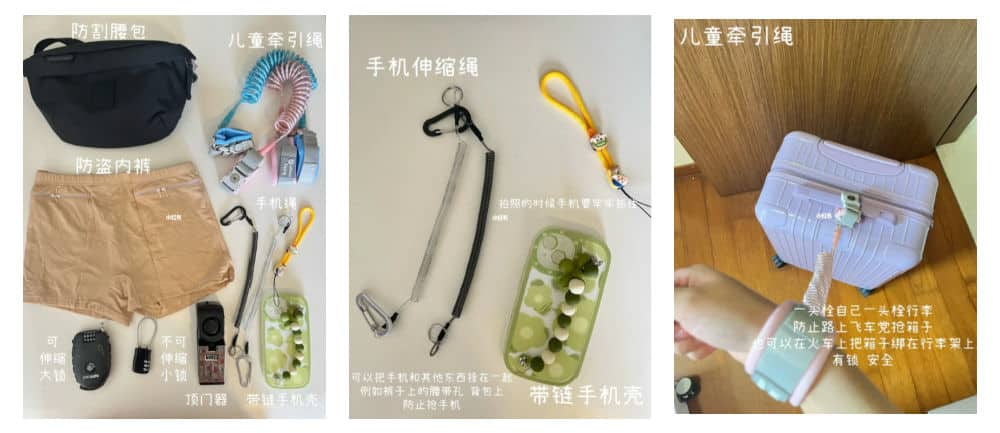
Anti-theft products recommended by Xiaohongshu user 一只小卷卷🍓.
Here is a compilation of recurring tips gathered from various Chinese netizens, vloggers, and bloggers on avoiding theft and safeguarding your belongings while in Europe:
◼︎ Wear an anti-theft waist bag / waist belt (防盜腰包) to store valuables such as cash, phones, passport, or creditcards.
◼︎ Other Chinese social media users go a step further and even recommend special underpants with pockets to store valuables such as passport and cash money.

◼︎ Try to maintain a low profile while traveling. Refrain from wearing designer clothing, don’t wear expensive watches, and leave your jewelry at home. This is a tip that is repeated by most anti-theft guides.
◼︎ When going out, it’s best to carry minimal valuables and leave the rest in your hotel room. Given existing concerns about hotel room safety, it’s advisable to use the hotel’s safety box to store your belongings.
◼︎ Some people suggest using phones with lanyards attached to your body to prevent the phone from being snatched while you’re distracted. (However, there’s a potential drawback to this approach – if a thief employs aggressive tactics and snatches the phone while running or on a motorcycle, it could lead to injury.)
◼︎ Many posts also recommend purchasing different strong locks for Europe travels: S-locks for handbags to prevent zippers from being easily opened, a strong anti-theft lock for the suitcase, and even door locks to prevent (hotel)doors from being opened from outside.
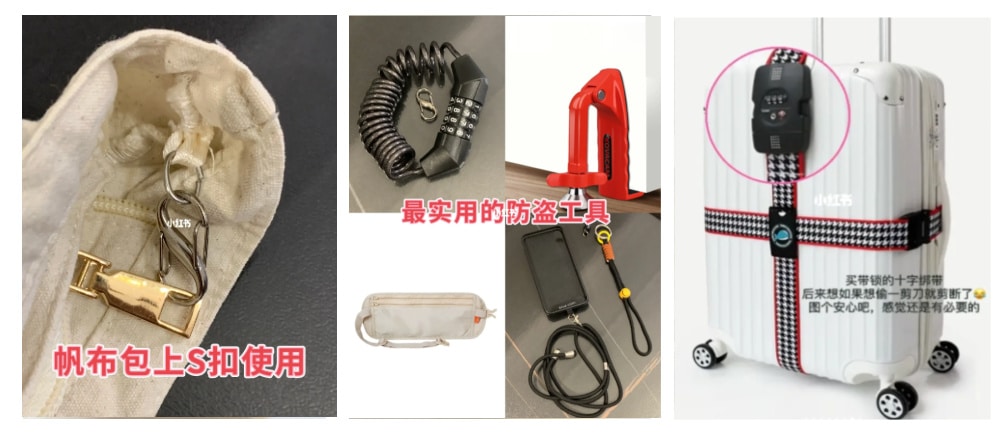
Images showing variou lock to prevent theft, by Xiaohongshu user 岛屿啊.
◼︎ Stay vigilant about your surroundings: who is walking in front of you, who is walking behind you, who is at your left and right, and is anyone getting too close?
◼︎ Since public transport and stations are a pickpocket hotspot, it is better to walk to your destination if possible instead. At night, go by taxi.
◼︎ When traveling by train, it’s crucial to keep your luggage within sight at all times. For many Chinese tourists, this might be an unfamiliar practice, as on high-speed trains, luggage can be conveniently stored in designated compartments, allowing travelers to relax until their destination is reached. However, the situation is quite different in Europe.
◼︎ A thief only needs a small window of opportunity to snatch your phone. When you’re outside, try to minimize the frequency of looking at your phone or having your phone in your hand, and always stay vigilant. Never put your phone in the outer pockets of your coat.
◼︎ When renting a car in Europe, it’s imperative to never leave valuables behind inside the vehicle.
◼︎ Stay vigilant against distraction tactics. Whether you’re on the street or dining at a restaurant, if someone approaches you to ask questions, hand out flyers, display a paper or sign, be mindful of your phone and wallet. While they engage you in conversation or divert your attention, another individual could take advantage and attempt to steal from you.
◼︎ Don’t accept any items from strangers. For instance, in Rome or Paris, some people might try to offer you a bracelet, claiming it’s free, but then demand money if you take it.
◼︎ When using a taxi during your travels, ensure that you keep valuable items near you. Also, make sure to personally place your luggage in the back of the taxi or watch the driver stow it for you. One Chinese tourist shared her experience on Xiaohongshu, where she entered the taxi while the driver loaded her luggage into the trunk. Unfortunately, upon reaching her destination, her luggage was nowhere to be found.
◼︎ When purchasing luxury items such as Chanel or Louis Vuitton bags, make sure to take your purchases out of the original luxury shopping bags and carry them in normal tote bags. Walking around with a Vuitton or Chanel shop bag just screams: ‘I just bought a super expensive designer product’ and not only street thieves will know, but people working in and around the hotel will also notice.

◼︎ Using a simple canvas tote bag is a recurring tip in the online Europe anti-theft guides. However, a controversial tip advises travelers to use frog-themed bags to ward off Roma thieves because they think that they see frogs as signs of bad luck.
Disappointed, Disillusioned
The changing view of Europe as a potentially hazardous destination for Chinese tourists signifies shifting times. Instead of a dream destination, Europe is increasingly described as a place that is “chaotic” or that is “lacking law and order.” Many people who share their experiences online suggest that they are “disappointed” or “won’t be coming back.”
Partly, this phenomenon could be labeled as the “Paris syndrome,” an extreme sense of disillusionment experienced by certain individuals during their visit to Paris, where they find the city not aligning with their expectations. This condition is often seen as an acute form of culture shock.
However, this trend also signifies changing times. In the present context, many Chinese citizens consider their home country a secure haven, largely free from concerns like robbery or personal safety on the streets; their major cities are considered much more secure. As mentioned by some bloggers, this disparity has seemingly become more noticeable after the pandemic. At the same time, due to all the warnings about theft in Europe, Chinese travelers are more conscious of how they are being perceived as attractive targets for thieves while traveling abroad.
Besides the risks of getting robbed, one factor seemingly influencing this portrayal of a “chaotic” Europe, particularly among Chinese travelers who have fallen victim to theft in Europe and reported such incidents, is their perception of local law enforcement as unresponsive or inadequate when addressing such thefts.
From Italy to the Netherlands, Chinese netizens express frustration about police merely making police reports for insurance purposes, but otherwise not actively chasing thieves, even if there is security footage or if the perpetators were caught on camera. “The chances of ever getting your stuff back are very, very low,” one Xiaohongshu user said. One Weibo user reiterated this idea, sharing how the police responded after their Rimowa suitcase with all their belongings was stolen on a Munich train station: “They were actually very quick in providing a written case report, but it was clear that no measures would be taken to actually solve the case. When we told them there were surveillance cameras on the platform recording the incident, the police officer stated that they didn’t have the authority to view the surveillance footage according to the law.”2
Another person shared how their laptop was stolen inside a train in Amsterdam and that even though they could show the police the exact location of their stolen laptop due to the ‘Find my Apple’ function, the police officer seemed “lethargic” and told them to try and find the laptop themselves. “I was simply stupefied, more upset by this response than the actual theft,” they wrote.3
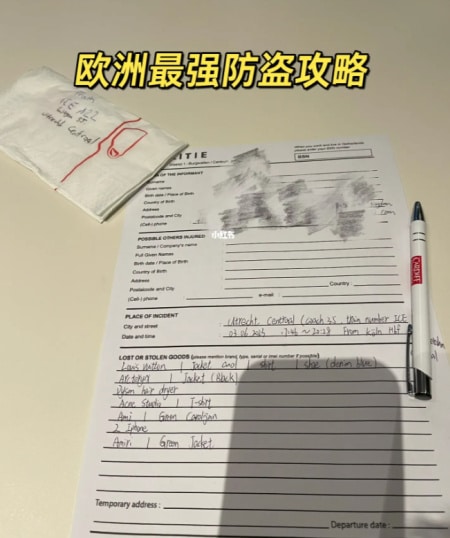
Xiaohongshu user (一只虎虎酱) shares experiences of reporting a theft at Dutch police station.
Besides the lack of police actionability, immigration and lack of border security are also often mentioned as additional factors that contribute to Europe being perceived as a ‘messy place.’
“Is Europe really that chaotic?” one person recently asked on Xiaohongshu, getting over 3000 likes and more than 160 replies. “In Europe, many illegal immigrants resort to stealing money for survival because they don’t have jobs,” one person replied, with others explaining: “Sigh, insisting on whatever humanitarian efforts, they’ve let in a large influx of African refugees, as well as Roma people. When you travel or have a tour guide, they’ll always remind you about this. Additionally, we Chinese are relatively wealthy and tend to flaunt luxury purchases, which makes us targets for theft.”
“Although countries in Europe are mostly very developed, the public order is not safe at all,” one Chinese vlogger reports: “The thieves aren’t necessarily strictly locals; many are outsiders. Because in Europe, you know, there are no borders or security checks, so getting in is quite easy and straightforward.”4
For individuals who have not yet traveled to Paris or other places in Europe, the abundance of negative posts detailing incidents of theft may not exactly serve as an encouragement to visit.
“I’ve decided not to return to Paris or visit Europe for the time being. I’ll see how it is next year,” wrote one commenter: “If a city cannot guarantee my safety, what’s the point of traveling there?”5
“God please make sure I don’t get robbed in Europe this time around,” another Weibo user wrote: “I’m just a poor guy. If anything, give me some money instead of stealing it from me.”
“You should just assume that everyone around you is a thief,” some travelers on Xiaohongshu recommend: “That’s the only way to prepare yourself for your upcoming Europe trip.”
By Manya Koetse, co-author & initiator Miranda Barnes
1 我和我朋友走回家的路上,大概下午6点左右,走到Primark那条街上(人挺多挺杂的),我俩买了一袋散装的巧克力,因为拿了两块吃,所以袋口是打开的。刚走出店门,一个男的迎面走来,要把手伸进巧克力袋子,给我朋友吓懵了,等她反应过来,那男的手已经伸进袋子了,而且直接伸到最底下抽出一块,然后离开,我真的崩溃了。听描述好像觉得我们完全可以拒绝或者立刻离开之类的,但实际上事情发生的太突然了,估计也就3到5秒。我们最后把整袋巧克力都扔了。
2 发现箱子被盗后,立即做了报警处理。警方倒是痛快,很快出具了书面的立案报告,却显然并不想采取任何有助于破案的措施。当我们提供站台上有监控录像的信息时,接待的警察表示,根据法律其无权查看监控录像。
3 “偷东西的不见得是非常本地人了,很多都是外来人,因为欧洲这边嘛,他没有边境也没有安检,所以想进来很容易很简单”
4 我直接惊呆了,这比小偷偷我包还气愤,一个关键的交通枢纽大机场的警察竟然让我们(我和我男朋友)自己去找。然后我质问说,如果我们找到了,小偷要攻击我们怎么办?
5 如果一个城市无法确保我的安全,还有什么谈论的旅行可言呢?
Get the story behind the hashtag. Subscribe to What’s on Weibo here to receive our newsletter and get access to our latest articles:
Featured Eiffel tower in main image shot by Valentin B. Kremer on Unsplash.
Spotted a mistake or want to add something? Please let us know in comments below or email us. First-time commenters, please be patient – we will have to manually approve your comment before it appears.
©2023 Whatsonweibo. All rights reserved. Do not reproduce our content without permission – you can contact us at info@whatsonweibo.com.




China Travel
From Tents to ‘Tangping Travel”: New Travel Trends among Young Chinese
Did tents defeat China’s hotel industry during the National Day holiday?

🔥 Quick Take: Trending in China
This is a brief update from our curated roundup of what’s trending in China. A version of this story also appears in the Weibo Watch newsletter. Subscribe to stay in the loop.
Now that China’s combined National Day and Mid-Autumn Festival holiday (国庆 + 中秋) has ended, social media has seen a surge in discussions about major 2025 travel trends. According to the Ministry of Culture and Tourism, a lucky total of 888 million domestic trips were made during the eight-day holiday.
While many Chinese cities and regions focused on offering innovative experiences — from lantern festivals to street performances — to attract travelers, there was also a grassroots trend that stood out.
Especially among the 18-35 age group, more Chinese are now choosing tents over hotels. On October 10, Business Times China (财经时报) featured an article about how ‘tents’ are putting a ‘dent’ into China’s hotel industry (title: “Did Tents Defeat the Hotel Industry during the National Day Holiday? 这个十一假期,打败酒店行业的是帐篷”).
Over recent years, as domestic travel has boomed, hotel prices in China have skyrocketed during holiday periods, with rates often doubling or tripling. For many—particularly younger travelers—this has made trips less affordable and less worthwhile. (Average nightly prices for mid- to high-end hotels in major cities exceeded 800 RMB / $112 this season.)
So what are we seeing now?
🔸 People are looking for alternative overnight stays, even though some hotels have lowered their prices in light of disappointing bookings.
🔸 Bathhouses are one example: many bathhouses or spas in China have become all-in-one leisure complexes combining hot springs, saunas, massages, dining, entertainment, and overnight lodging—becoming a new competitor for hotels (dubbed 洗浴旅游, “bathhouse tourism”).

Luxury bathhouses aren often opened 24/7 and have come a popular destination among young travelers.
🔸 Tents are growing in popularity. The outdoor equipment industry is seeing explosive growth in China, and Business Times China connects this growth to consumer backlash against unreasonable prices and poor service in Chinese hotels, seeing a future for more luxury camping models.

🔸 But it’s not just luxury camping. Many netizens across China have shared videos of travelers setting up tents and sleeping outdoors by roadsides or in scenic spots. Not only are people enthusiastic about outdoor camping and the experience itself, they also see it as a “consumption awakening” (消费觉醒), where younger generations are not willing to blindly pay ten times more for one night in a hotel than the purchase of a tent.
🔸 Another term that has been popping up more frequently is “Tangping Travel” (躺平式旅游). Tangping means “lying flat,” a phrase often used by young Chinese who “lie flat” as a way to cope with social pressure and competitive stress (read more). Unlike previous travel trends, where “special forces travelers” would rush to clock in at as many destinations as possible in a short time, tangping travel — whether in bathhouses, hotels, or tents — is about doing as little as possible, reflecting a shift away from hectic travel schedules.
By Manya Koetse
(follow on X, LinkedIn, or Instagram)
Spotted a mistake or want to add something? Please let us know in comments below or email us. First-time commenters, please be patient – we will have to manually approve your comment before it appears.
©2025 Whatsonweibo. All rights reserved. Do not reproduce our content without permission – you can contact us at info@whatsonweibo.com.
China Memes & Viral
China’s National Day Holiday Hit: Jingdezhen’s “Chicken Chop Bro”
From viral street food vendors to China’s donkey crisis and new eldercare services, here’s this week’s Weibo highlights in What’s on Weibo’s China Trend Watch.

🔥 What’s Trending in China This Week? Stay updated with China Trend Watch by What’s on Weibo — your quick overview of what’s trending on Weibo and across other Chinese social media, curated by Manya Koetse.
What’s inside:
- 1. Jingdezhen’s “Chicken Chop Bro” Becomes Nationwide Meme
- 2. China’s 2025 Golden Week Travel Trends
- 3. China Faces Donkey Shortage Crisis
- 4. Word of the Week: “Ride-hailing for Relatives” 亲属打车 Qīnshǔ Dǎchē
- 5. What’s Inside at a Glance
1. Jingdezhen’s “Chicken Chop Bro” Becomes Nationwide Meme
From Beijing to Zibo, every now and then, food stall vendors go viral — for their charm, their uniqueness, and most of all, their tasty food. The star of this moment is 48-year-old Li Junyong (李俊永), who runs a small fried chicken stall in Jingdezhen, Jiangxi Province, with tight rules on who he serves, when, and how.
Li has suddenly become one of the most trending people on Chinese social media under the nickname “Chicken Chop Brother” (鸡排哥 jīpáigē).
Li initially gained popularity among customers for his frantic, multitasking energy — he doesn’t mess around when it comes to his chicken chop business, with superspeed and a clear order of serving customers (“I’ll first do you, then finish yours, then I’ll serve you 做完你的做你的”) and rules such as: no individual customers after 4:30 PM; students pay 1 yuan (about $0.15) less than regular passersby (after 12:00 PM, however, it costs 1 yuan more as punishment for being indecisive); and customers must open the plastic bag themselves before he puts the hot chicken cutlet inside.
The serious way he goes about dealing with his chicken chops almost makes you think he was making big business deals instead of selling to middle school students. In the end, it’s that attitude that gained him social media fame, as students started referring to him as “Head of Chicken Cutlet Operations” (free translation for 鸡排主理人 Jīpái gē Zhǔlǐrén).

Head of Chicken Chop Operations: “Please open your plastic bag”, “No individual customers after 4:30 PM”, etc.
In light of Li’s explosive popularity, his chicken chop stall now sees extremely long queues, and local authorities and city management have had to intervene in order to control the crowds and keep the location safe.
There are definite downsides to such sudden fame, and Li is not the first street vendor this has happened to.
In 2023, for example, Beijing’s ‘Auntie Goose Legs’ (鹅腿阿姨) went viral, and the food stall owner became so overwhelmed that she temporarily had to take a break from her food stall, emotionally sharing how she said she felt too much pressure because of how the situation was unfolding, and that she just wanted to sell her goose legs in peace (“只想平平安安做烧烤”).
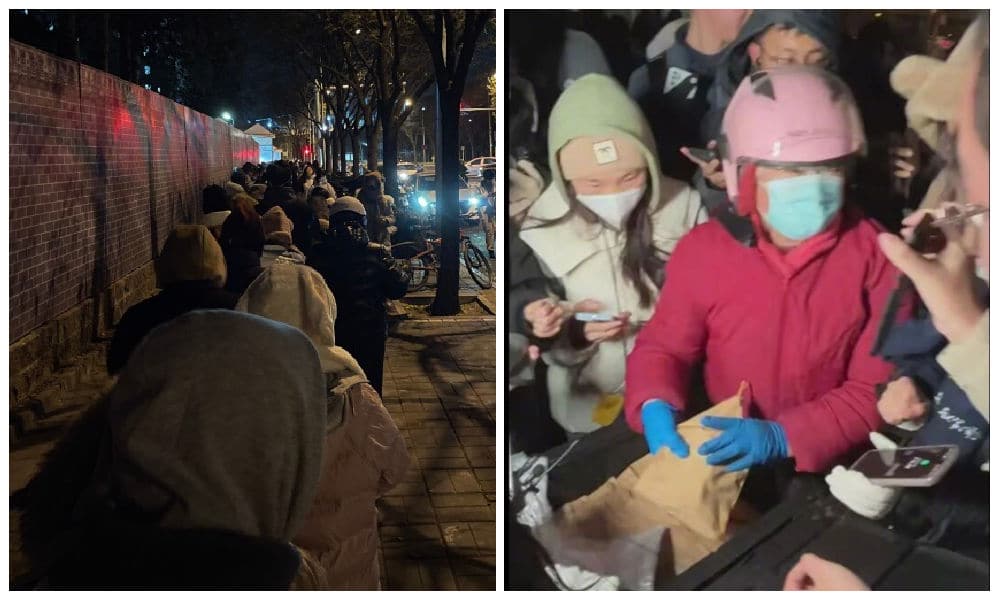
Long lines for Auntie’s goose legs.
It seems that “Brother Chicken Chops”, in line with his reputation as the chicken chop CEO, is trying to turn his viral moment into a sustainable business. According to Sina News, Li has drawn in relatives to help him. He reportedly has taught them how to make and sell his tasty fried chicken chops, and now his Chicken Chop Family (“鸡排家族”) has grown to a total of nine stalls.
Over the past week, Li has also joined several social media platforms, including Xiaohongshu, to build a social following that will last after the hype calms down.
Meanwhile, Li is the meme of the moment. As many Chinese workers experience working stress before the National Day holiday, they’ve used his superspeed working style videos to express the pressure they feel to finish all their deadlines. See videos here.
— What Else Is Trending —
2. China’s 2025 Golden Week Travel Trends
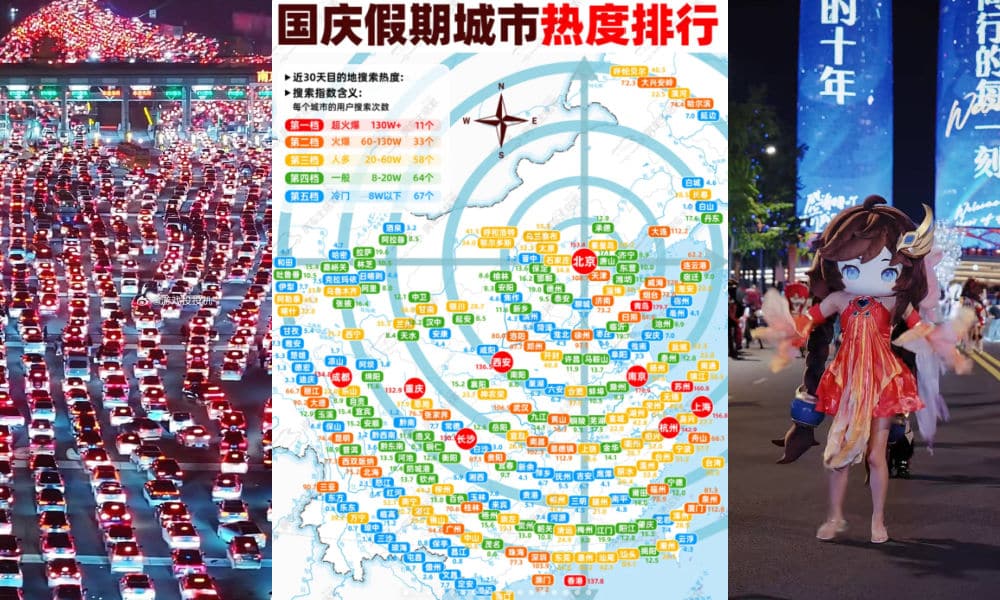
China’s longest holiday of 2025 is coming up, combining National Day (国庆节) and Mid-Autumn Festival (中秋节) into an eight-day Golden Week from October 1–8. If you’re traveling in China this week, good luck — the country’s transportation infrastructure is being pushed to its operational limits.
On September 30, the first “smart people” who opted to leave early to avoid traffic jams already found themselves stuck in them. China’s Ministry of Transport estimates a staggering 2.36 billion trips will be made during this period, with October 1 expected to see over 340 million travelers — surpassing the historical peak of 339 million recorded during Spring Festival earlier this year.
🔸 This week is going to see a lot of events. According to the Ministry of Culture & Tourism, more than 12,000 cultural activities will be held across China during the eight-day holiday period, including over 300 large-scale light shows.
🔸 Chinese local tourism offices are going all in on city marketing and are finding new strategies to make themselves more appealing to young travelers. Chengdu, for example, as Tencent’s gaming hub, is integrating the 10th anniversary of the super popular mobile game Honor of Kings (王者荣耀, Wángzhě Róngyào) into its cultural tourism strategy this year, organizing game-themed city walks, exhibitions, and more.
🔸 China’s travel platform Trip.com reported that interprovincial travel bookings have surged 45% year-on-year, with particularly strong interest in remote destinations like Xinjiang, Tibet, and Inner Mongolia. Searches for hotels in these regions jumped 60% compared to last year. This reflects a shift among middle-class Chinese tourists toward experiential travel and natural landscapes rather than crowded urban attractions.
🔸 The holidays are a time for relaxation, reunions, and eating mooncakes, but it’s also a stressful time for Chinese employers who must comply with labor regulations while managing workforce availability and overtime obligations. Under China’s Labor Law, employees working on statutory public holidays—October 1–3 and October 6 (the official Mid-Autumn Festival date)—must receive at least 300% of their normal daily wage. For adjusted rest days (October 4–5 and October 7–8), employers must provide either 200% overtime pay or compensatory time off. The State Council designated September 28 (Sunday) and October 11 (Saturday) as make-up workdays, but private companies have flexibility to adjust their own schedules.
3. China Faces Unprecedented Donkey Shortage Crisis

China is facing a serious donkey shortage. China’s donkey population is far below market demand, and the prices of donkey-related products continue to rise. The Donkey Branch of China’s Livestock Association (中国畜牧业协会驴业分会) addressed this issue in Chinese media earlier last week, telling China News Weekly (中国新闻周刊): “We have plenty of cattle and horses in China now — just not enough donkeys” (“目前我国牛马都不缺,就缺驴”).
4. “Ride-hailing for Relatives” 亲属打车 Qīnshǔ Dǎchē

Tencent has rolled out a new function via WeChat Mini Programs on September 26, aimed at helping seniors who struggle with app-based ride-hailing. Thanks to the new function, now live nationwide, users can order rides on behalf of older relatives directly in WeChat.
Adult children who want to help out their less tech-savvy (grand)parents or other senior relatives can now bind their account to their own, remotely pre-set pickup and drop-off locations, as well as payment methods, and track their journey for safety.
What makes this different from the possibility of just ordering a ride for someone else is that the seniors stay in control to some extent and can see their own journeys on their own phones. Children can configure settings on their side, while the interface for the elderly users is simplified. This allows seniors to ride independently, with a little help from their family.
The move is part of a broader effort in China to make it easier for seniors to stay involved in the digitalization of society.
The word to know is 亲属打车 qīnshǔ dǎchē, consisting of “亲属” qīnshǔ (relatives) and ride-hailing 打车 dǎchē.
5. What’s Trending at a Glance
- ✈️ The 27-year-old Sichuan creator “Tang Feiji” (唐飞机) died in a plane crash while livestreaming on Sept 27. The ultralight aircraft, piloted and purchased by Tang himself, went out of control and crashed before catching fire. Over 1,000 viewers were watching live, with the chat flooded by messages pleading for someone to rescue him. Local village officials confirmed his death. The tragedy is fueling debate over amateur aviation and extreme content creation.
- 🟢 Weibo has rolled out a visible “online status” feature on personal pages, showing when users are online, and not everyone is happy with it. The new feature is met with criticism from concerned users who don’t want others to see they’re online. It brings back memories of China’s legendary IM app QQ, which, like MSN, showed the online status of users.
- 🥿 A Chinese Marriott hotel location in Changzhou has come under scrutiny adn triggered hygiene concerns after guests found out that the in-room hotel slippers were being reused. The hotel has admitted to disinfected the disposable slippers and reusing them 2–3 times, without disclosing this to guests in advance.
- ⚖️ China’s cyberspace authorities issued stern warnings and announced penalties on various Chinese social platforms recently, including Xiaohongshu, Weibo, and Kuaishou, which are blamed for not keeping celebrity gossip and low-quality content in check and for influencing their hot search rankings. This is all about algorithm governance and the tightrope platforms walk in serving readers, attracting attention, and satisfying regulators.
- 👵 “Outsourced Children” services for Chinese seniors went trending recently. In Dalian, an initiative offering companionship and mediation services for seniors charges 500–2,500 yuan ($70–$350) per visit and has apparently been quite a success, underscoring strong market demand of eldercare-related services and new opportunities for Chinese students.
By Manya Koetse
(follow on X, LinkedIn, or Instagram)
Spotted a mistake or want to add something? Please let us know in comments below or email us. First-time commenters, please be patient – we will have to manually approve your comment before it appears.
©2025 Whatsonweibo. All rights reserved. Do not reproduce our content without permission – you can contact us at info@whatsonweibo.com.
Eye on Digital China is a reader-supported publication by
Manya Koetse (@manyapan) and powered by What’s on Weibo.
It offers independent analysis of China’s online culture, media, and social trends.
To receive the newsletter and support this work, consider
becoming a paid subscriber.


China Trend Watch: From a Hospital in Crisis to Chaotic Pig Feasts

The “Are You Dead Yet?” Phenomenon: How a Dark Satire Became China’s #1 Paid App

Trump, Taiwan & The Three-Body Problem: How Chinese Social Media Frames the US Strike on Venezuela

China’s 2025 Year in Review in 12 Phrases

China’s 10 Biggest Social Media Stories of 2025

China Trend Watch: Japan Tensions, Nexperia Fallout, Yunnan’s ‘Wild Child,’ & “Modern Opium”

Eye on Digital China: How Chinese Social Media Evolved from the Blog Era to the AI-driven Age

Signals: Hasan Piker’s China Trip & the Unexpected Journey of a Chinese School Uniform to Angola

Trump and Takaichi: The Unexpected Love Affair

China Trend Watch: Hong Kong Fire Updates, Nantong’s Viral Moment & Japanese Concert Cancellations
-

 China Arts & Entertainment6 months ago
Hidden Cameras and Taboo Topics: The Many Layers of the “Nanjing Sister Hong” Scandal
-

 China Insight9 months ago
Understanding the Dr. Xiao Medical Scandal
-

 China Insight6 months ago
“Jiangyou Bullying Incident”: From Online Outrage to Offline Protest
-

 China Insight9 months ago
China Is Not Censoring Its Social Media to Please the West