
China and Covid19
Coronavirus on Chinese Social Media: The 8 Major Trends in Times of the 2019-nCoV Crisis
The 8 main trends defining the online responses to the Wuhan coronavirus on Chinese social media.

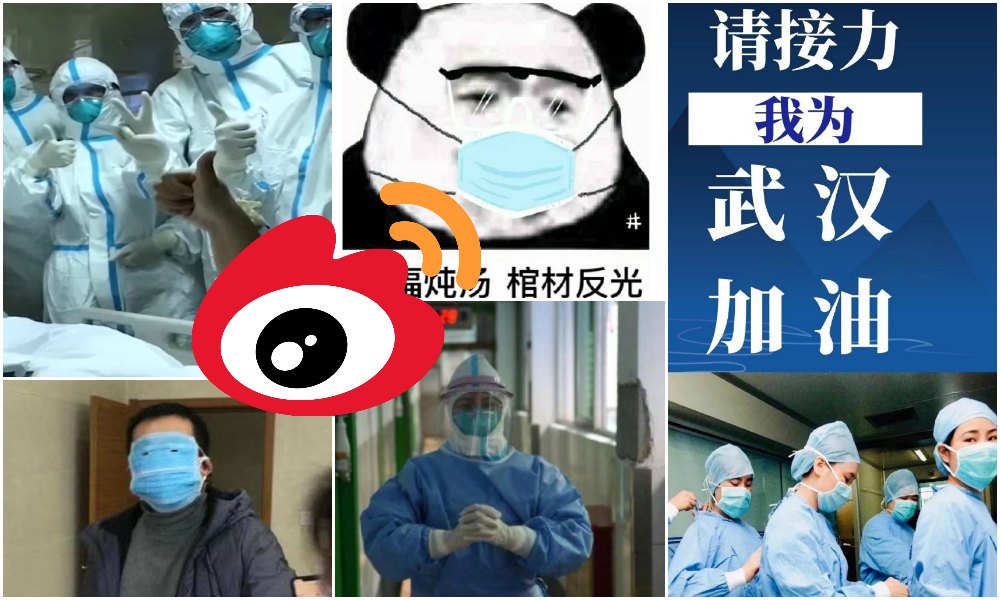
By Manya Koetse, further research and news-gathering by Miranda Barnes
From panic to patriotism, the outbreak of the coronavirus has led to a wide range of different responses from Chinese netizens and online media outlets over the past few weeks.
Although the first reports on the emergence of a pneumonia-like illness in the city of Wuhan came out in late December, it wasn’t until mid-January that the new virus, belonging to the coronavirus family, started dominating the top trending lists on social media in China and beyond.
The hashtag “Nationally Confirmed Cases of New Pneumonia” (#全国确诊新型肺炎病例#) became one of the biggest news-related topics we have ever seen on Weibo, receiving eight billion views by January 25, and reaching a staggering 13,5 billion views by February 2.
As of February 6th, approximately 28,200 cases of the new virus were confirmed, with over 170 cases reported in countries outside of China. The death toll also became much higher than days before, rising to 564. With these numbers, the coronavirus has exceeded the scale of the 2003 SARS outbreak in terms of infected patients.
Along with the quick spread of the new coronavirus across the country, the general mood and direction of the discussions and trends in the Chinese online media environment have also been in constant flux.
At What’s on Weibo, we have been glued to our social media screens, but because editor-in-chief Manya Koetse has been flooded with daily media requests we have not been able to update the site with regular updates (meanwhile, @manyapan did post regular updates on Twitter).
Here, we will highlight some of the main social media trends we spotted during the outbreak of the new Chinese coronavirus, now and over the past weeks.
TREND #1:
Online Backlash against the Eating of Wild Game
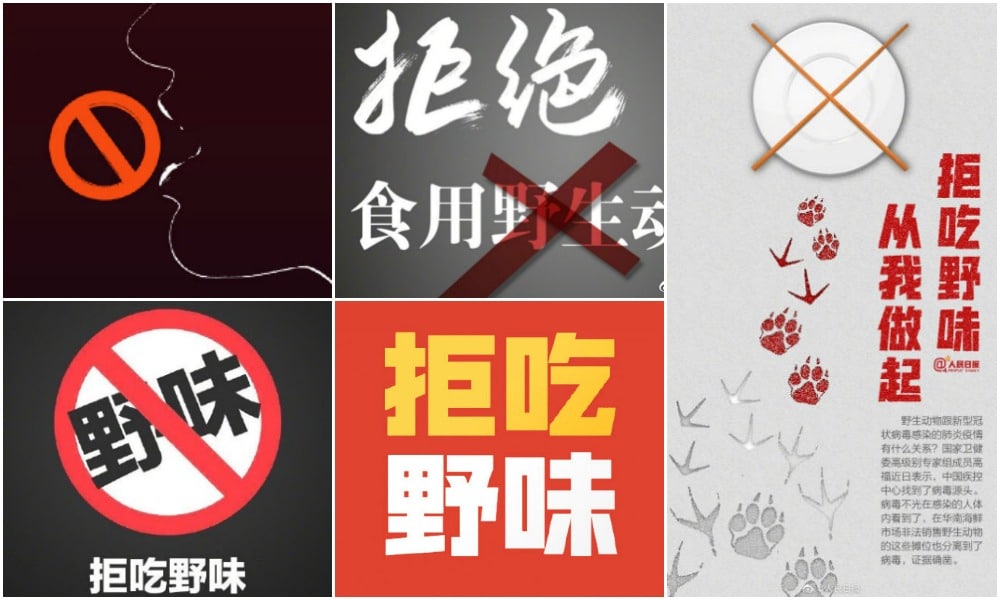
As an online media panic broke out around January 20, when a third person had died of the new Wuhan virus, one of the main trends to come up on Chinese social media was an online backlash against the eating of wild game (as reported here by Jessica Colwell).
The backlash flooded Weibo after the downtown Wuhan Huanan Seafood Wholesale Market (武汉华南海鲜批发市场), selling a wide range of dead and alive wild animals – anything from snakes and crocodiles to rats, hedgehogs or bats, – was identified as the suspected source of the deadly coronavirus outbreak.
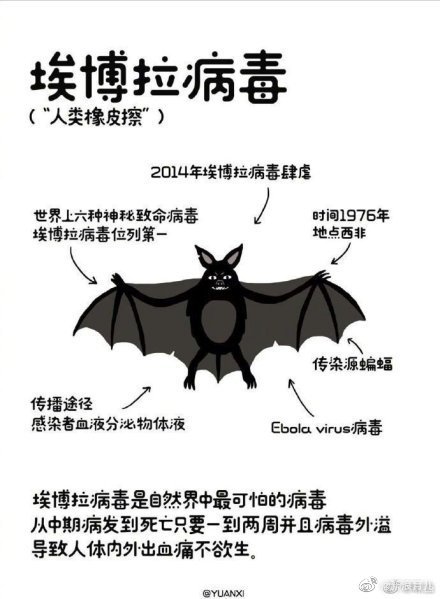
Image posted by Sina Parenting on February 1st.
Since Chinese researchers linked the novel coronavirus (nCoV-2019) to bats, videos and images of bat dishes and people eating bat soon made their rounds on social media.
Many of these videos were actually unrelated to Wuhan, but were used in condemning the practice of eating (illegal/unsafe) wild game in general.
Around January 23, hashtags such as “Support the Banning of Wild Game Markets” (#支持禁绝野味市场#), “Refusing Eating of Wild Game Starts with You” (#拒吃野味从我做起#), “Control Your Mouth, Refuse Wild Game” (#管住嘴拒绝吃野味#) went viral on Weibo.
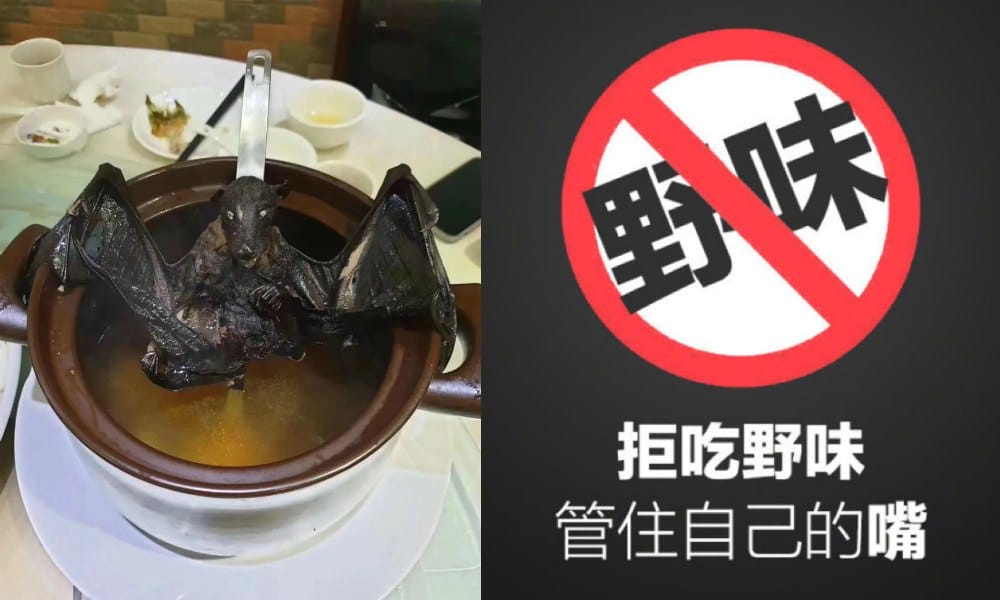
As images or videos of people eating bats or other exotic animals soon also spread to Twitter and other non-Chinese social media, some English-language media labeled them as “xenophobic” or “racist” – ignoring the fact that the anti-wild game storm actually started in the Chinese online media environment.
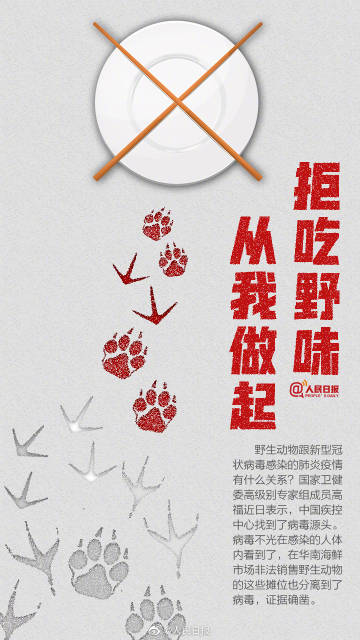
Online information leaflet spread by People’s Daily, “Resisting the Consumption of Wild Game Starts with Ourselves”
State media outlets such as People’s Daily, for example, played a role in the online dissemination of information against the eating of wild game and actually hosted some of these hashtag pages on Weibo.
The main argument behind the backlash is that those eating (unsafe, illegal) exotic and/or wild animals could risk their own health and that of their community and that what you eat is also your responsibility in keeping others safe.
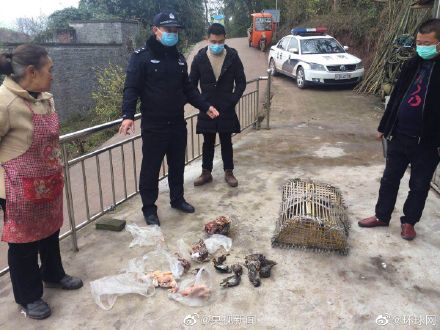
A news story of a man hunting wild animals for consumption made its rounds on Weibo this week.
The backlash against the eating of wild game and online anger against people hunting or illegally buying wild animals for consumption is still ongoing, with some directing their anger against Wuhan people in specific.
This has also triggered discussions on Weibo about discrimination – not against Chinese people in general, but against Chinese netizens discriminating against Wuhan people or even against people from the Hubei province.
TREND #2:
Fake News and Censorship

Chinese social media platforms such as Weibo are tightly controlled online environments. When certain sensitive topics pop up, such as the anniversary of the Tiananmen protests, the Hong Kong demonstrations in their early phases, or big political events, virtually all related posts and news sharing will sometimes be removed by online censors.
In the wake of the coronavirus outbreak, this was not necessarily the case. From the start, there was a lot of reporting, sharing, and discussion of the virus online.
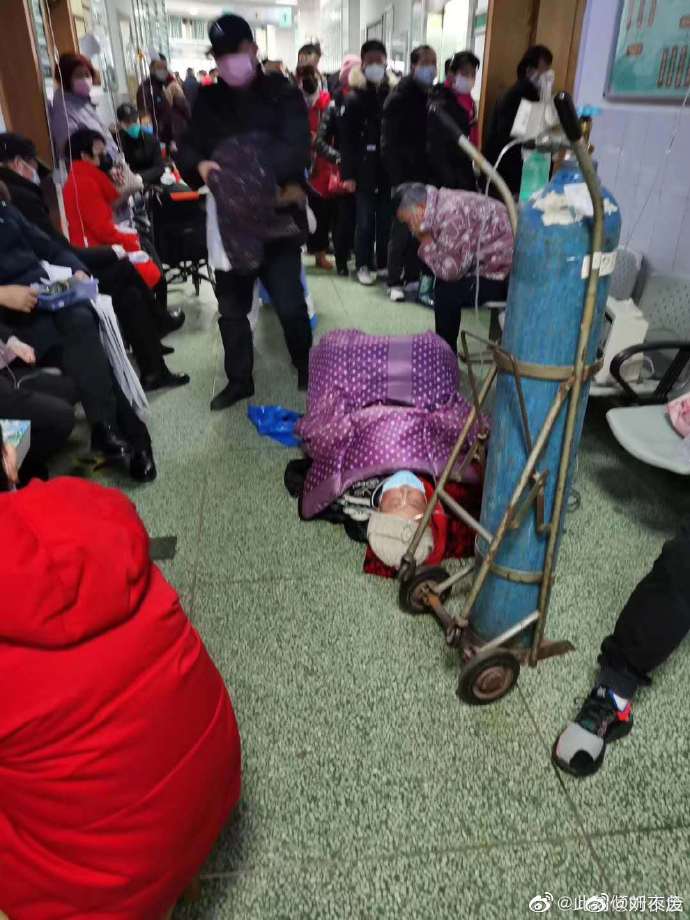
However, there certainly has been ongoing censorship of the topic. This was mainly done in the case of netizens reposting videos of chaotic situations in streets or at hospitals, but also in the case of ‘fake news’ posts (mostly called “starting rumors”).
Posts that could potentially trigger unrest or panic also were censored. One hashtag that made its rounds around January 22 was “Escaping Wuhan” (#逃离武汉#), with people trying to leave Wuhan before the city would go on lockdown. That hashtag page was soon completely removed from Weibo.
The comments sections of some posts reporting on controversial or sensitive news were also completely turned off (such as this report addressing local authorities in Wuhan allegedly taking donated face masks).
Confirmed with my friend that yes she’s been sending me
a video of an alleged Wuhan hospital scene through WeChat, but it’s not coming through in our private #WeChat conversation. pic.twitter.com/UOy5Fhm8Np— Manya Koetse (@manyapan) January 24, 2020
One Weibo user (@魔女小稀), an alleged nurse, posted a video of people in a hospital hallway on January 24th, claiming that “three [dead] bodies” had been lying in a Wuhan hospital for the entire afternoon covered in white sheets without being removed.
The post and the Weibo user were completely removed from the platform on January 25. By that time, however, the video and allegations were already picked up and reposted internationally.
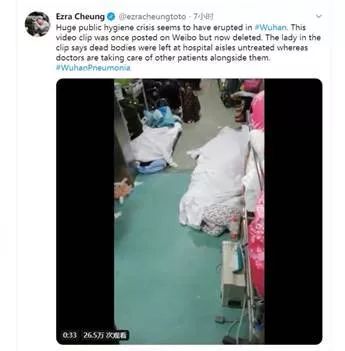

According to Sina News, the post had been completely false; there were no bodies lying around this Wuhan hospital. If there were people covered in white sheets, it was merely people sleeping in the hallway after waiting for a long time.
This is but one of many examples of ‘fake news’ floating around Chinese social media over the past two weeks, with images and videos being placed in a misleading context, people claiming that patient or deceased numbers were much higher than those reported by the official media, and some even bringing up conspiracy theories about the source of the coronavirus (e.g. that the Americans started it, that it leaked from a biolab in Wuhan, etc).
The problem in this issue is, of course, when do we call it ‘fake news’ and when do we call it ‘censorship’? Amid the chaos and uncertainty of the coronavirus outbreak, it is not always easy to separate the two.
This is also a contributing factor in the general distrust in official media reports that clearly surfaced on Weibo over the past weeks. “I don’t believe it,” is a sentence popping up everywhere on social media.
Spreading online “rumors” is a crime under China’s Criminal Law and is punishable by up to seven years in prison. Although some foreign media outlets, such as this one, make it seem as though it is illegal to share fake news about the coronavirus in particular, it is actually illegal in China to share fake news in general.
TREND #3:
Virus Vigilantism
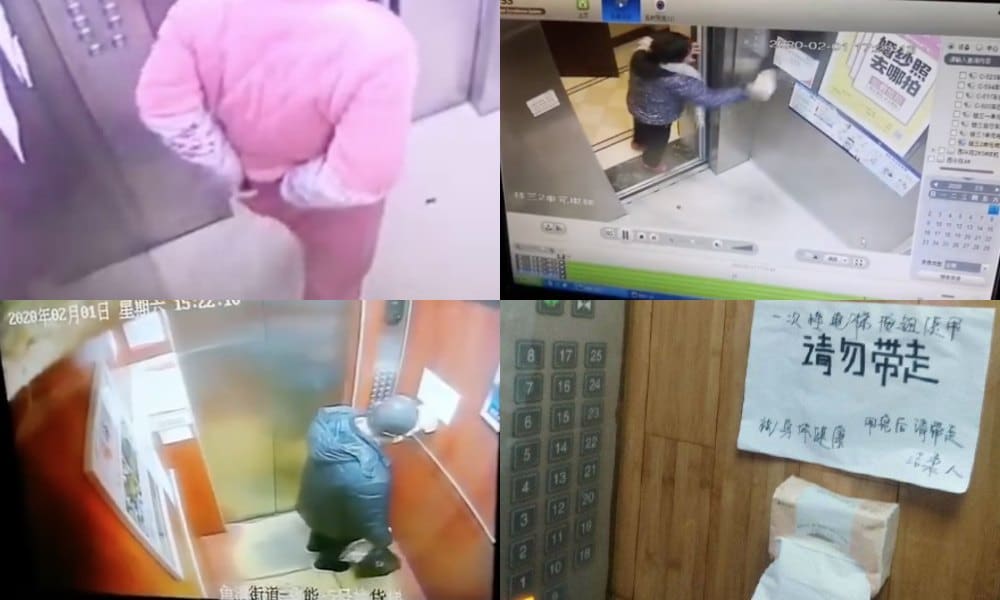
Another trend we noticed on social media during the wake of the coronavirus outbreak is not just a distrust in official media and authorities, but also distrust in fellow citizens.
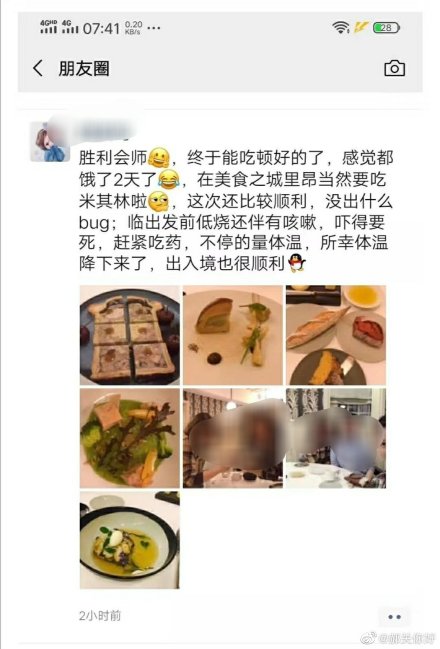
One clear example that blew up on Weibo is that of a young woman from Wuhan who posted about her traveling to France – and enjoying nice food – despite suffering from a fever and cough. Because she took fever reducers, she claimed to have passed airport temperature monitors without issue.
The post sparked great anger among Chinese netizens and triggered the so-called ‘human flesh search engine,’ with people digging into her personal details.
The incident even led to the Chinese embassy in France investigating the matter. The woman turned out not to have been infected with the virus.
But there are many examples of people exposing and doxing those who allegedly are hindering the collective goal of minimizing the risk of a further spreading of the virus, for example by not self-isolating after visiting Wuhan.
There’s also been widespread online condemnation of people stealing tissue paper from public elevators. Many apartment buildings around China now provide a box of tissue paper for hygienic reasons so that people do not need to touch the elevator buttons.
There’s been an ongoing trend of people being exposed on Chinese social media for stealing the tissue boxes now placed in many Chinese apartment elevators (to minimize bacterial levels on elevator buttons in times of #coronavirus). This is but one of many of these videos. pic.twitter.com/A1HAXNZWfQ
— Manya Koetse (@manyapan) February 4, 2020
Surveillance videos of people stealing these boxes have been making their rounds on Weibo and WeChat, such as this lady in an elevator in Chongqing, with thousands of netizens expressing their anger over their behavior – and sometimes naming and shaming them.
TREND #4:
Social Media as a Practical Communication Tool
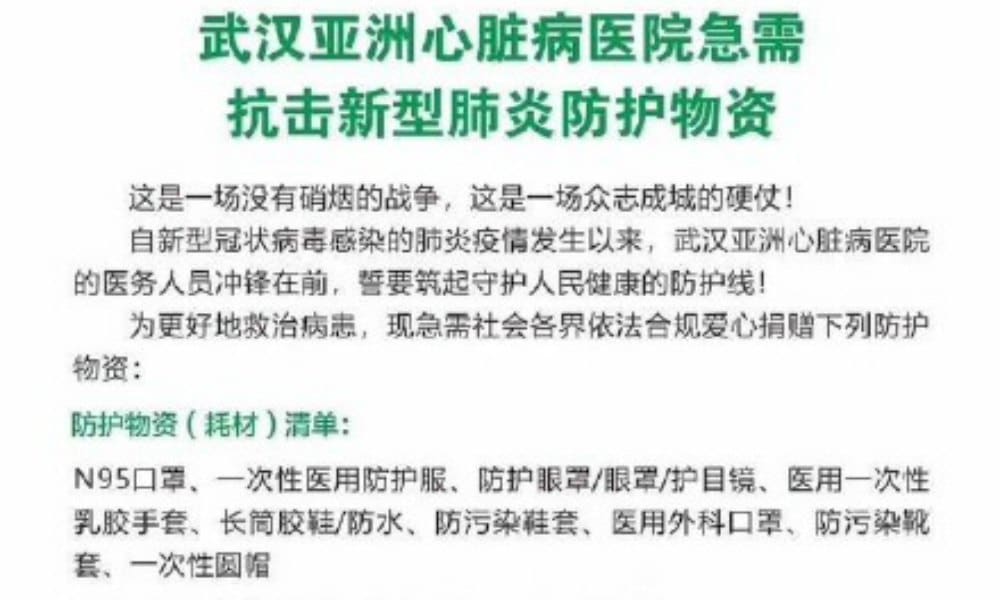
Soon after the scale of the coronavirus outbreak started to become clear, social media platforms such as Weibo were started to be used as practical communication tools for authorities, (medical) organizations, and individuals to spread information or to ask for help.
Social media is now widely used as a practical communication tool for very general matters in the coronavirus crisis (e.g. providing information on how to avoid getting the virus), but also for more specific issues.
FYI the no 1 trending topic of the day is the news that Wuhan hospitals are running out of supplies (hashtag #武汉多家医院物资紧张, 270 million views), hospitals & media are urgently requesting funds & contributions. pic.twitter.com/bSENdSL3kh
— Manya Koetse (@manyapan) January 25, 2020
Various hospitals in Wuhan, for example, spread digital leaflets online summing up their specific shortages in supplies (face masks, surgical gloves, etc), and how people and organizations can contribute.
How Weibo becomes an important communication tool in the handling of #coronavirus. Harbin Center Disease Control PSA: anyone who was on the 20:33 G1278 train carriage 2 from Hankou to Beijing: 3 Wuhan passengers possibly infected, warning passengers to stay indoors if at home. pic.twitter.com/tLPzBRsB5b
— Manya Koetse (@manyapan) January 24, 2020
Another example is how authorities at various times use social media to search for people who were on board of certain trains or where passengers were later diagnosed with the virus.
But we have also seen individuals reaching out through social media. One woman, for example, reached out to netizens online after she and her husband fell ill and needed someone to look after their children.
Through the help of social media, there are now also local volunteers who help taking care of people’s pets while they are unable to return home to feed them.
One of the hashtags increasingly receiving attention online since early February is “Rescuing the Pets Left Behind in Wuhan Homes” (#武汉滞留家中宠物救援#).
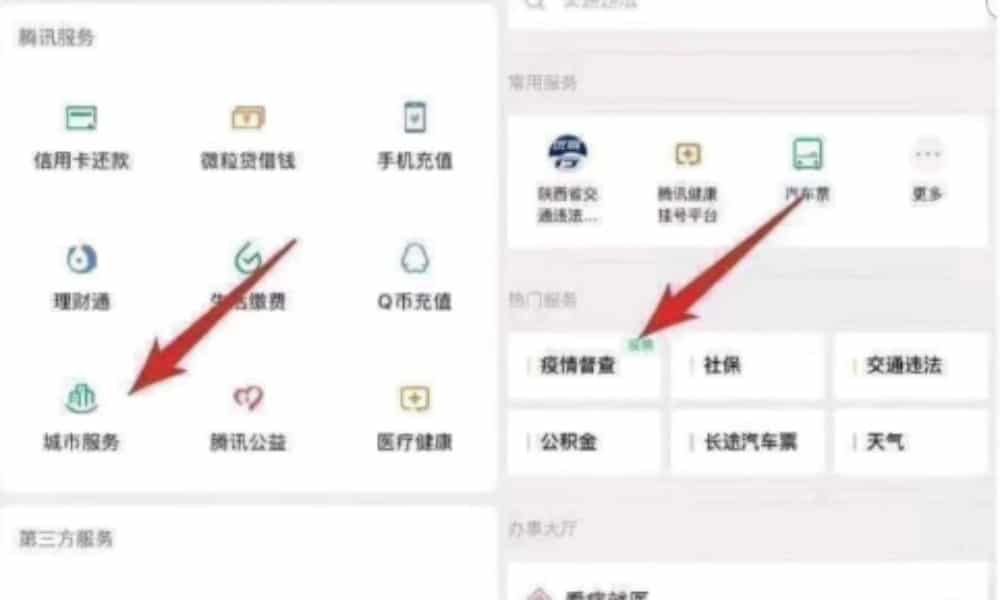
Since January 26, Tencent’s WeChat has also opened a special “epidemic supervision” channel within its app where WeChat users can go to get the latest local information about the virus in their area or ask for medical help.
TREND #5:
Propaganda, Pride and Patriotism in Times of Crisis

The outbreak of the coronavirus coincided with the most important holiday of the year in China: the Spring Festival. On Friday, January 24, the CCTV broadcasted its annual Spring Festival Gala (Chunwan), a 4-hour long show that has been airing since 1983. The show is the biggest live TV event in the world, with a viewership of one billion.
The show is usually meticulously planned up to every second – with rehearsals starting months before -, but this year, for the first time ever, it included a segment on the Wuhan coronavirus outbreak. It showed scenes from inside a Wuhan hospital, and the show’s main presenters paid their respects to all the medical workers working day and night.
In light of Wuhan coronavirus outbreak, CCTV puts out a performance paying tribute 🙏 to first line healthcare professionals. This is currently trending as “The Only CCTV Spring Festival Gala Program Without Rehearsal”. #央视春晚 pic.twitter.com/6D89UMlsFw
— yz奥奥 (@midnightbliss01) January 24, 2020
The event became trending on Weibo under the hashtag “For the First Time in History, ‘Chunwan’ Includes a Non-Rehearsed Segment” (#春晚历史上首次没有彩排的片段#)
It was during this time, with twenty million people under travel lockdown, that the sentence “Jiayou Wuhan, Jiayou Zhongguo” (“Come on Wuhan, Come on China”) was propagated by state media and became widely used on Chinese social media.
By now, the hashtag “Go Wuhan!” (#武汉加油#, hosted by Party newspaper People’s Daily) has over 12 billion views on Weibo.
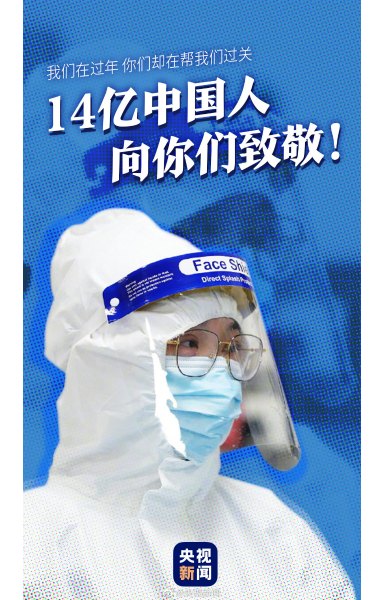
“1.4 billion Chinese salute you”
Medical staff at the dedicated isolation ward of Wuhan’s People’s Hospital wish everyone a Happy New Year, saying: “We’re here, don’t worry [and celebrate Spring Festival]” – a hashtag that’s now propagated online to ease the #coronavirus panic. #有我们在大家安心过年 pic.twitter.com/byWLd8DJ1i
— Manya Koetse (@manyapan) January 24, 2020
Starting from the Spring Festival weekend, Chinese state media began to propagate more positive, patriotic, and nationalistic messages online during the corona crisis, focusing on the unity of China and the dedication and resilience of common Chinese people, with a specific emphasis on medical and army staff.
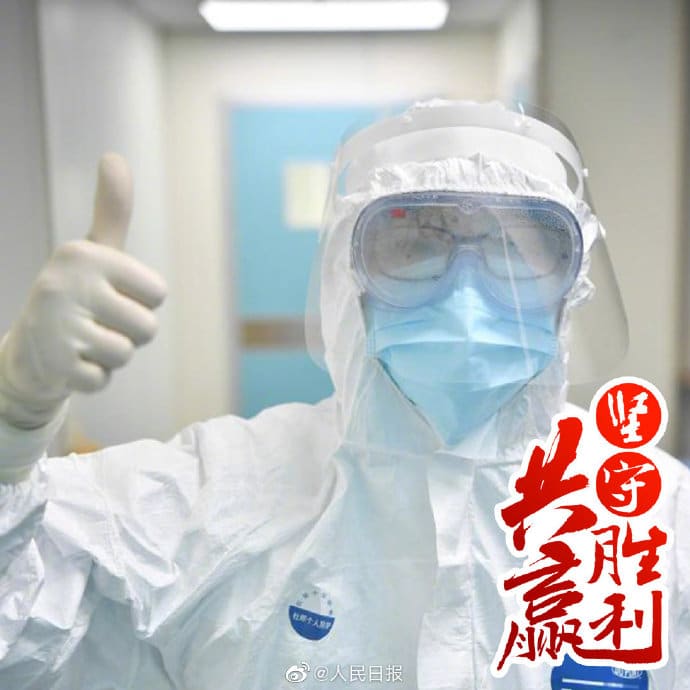
It is not uncommon, or actually rather common, for Chinese authorities and state media to propagate nationalism in times of hardship (also see our article on online propaganda during the Hong Kong protests).
TREND #6:
Quarantine Boredom: From Panic to Humor
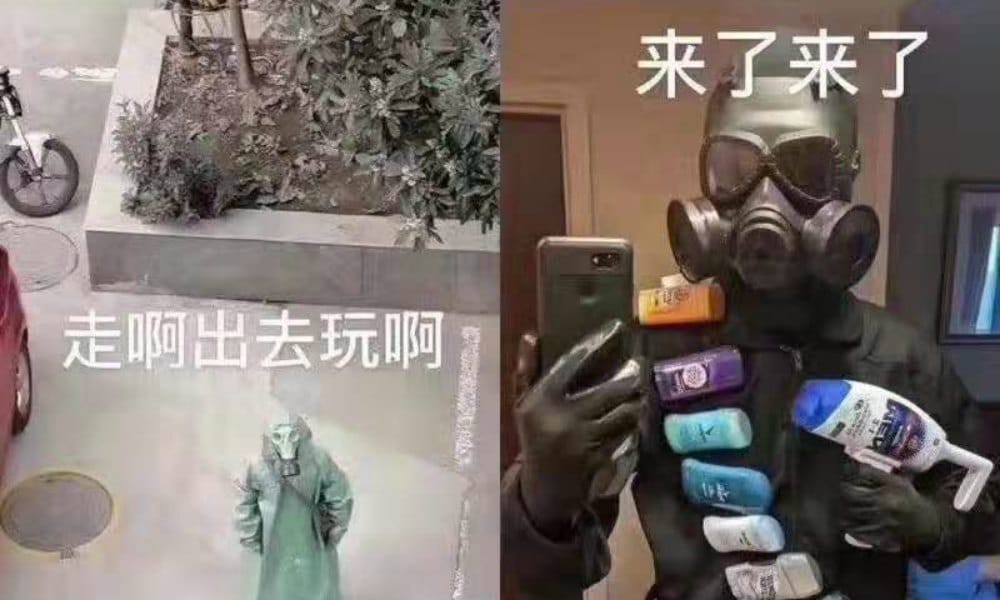
From late January, the first humorous memes and videos starting flooding Chinese social media in light of the coronavirus.
Around January 25, there were over forty confirmed deaths due to the new coronavirus and over 1380 known infected patients. Along with the travel lockdown, most of the major tourist attractions across China had shut down, and driving bans were implemented in the city of Wuhan to restrict people’s movements in efforts to contain the outbreak.
What was supposed to be a time of joy and reunion and entertainment (the Chinese New Year) turned into a time of fear and self-isolation for many families in Wuhan and beyond.
Practically locked up in their homes, some people used humor as a ‘defense mechanism’ in times of coronacrisis.
The videos embedded in the thread below are some examples of people making the most of their times in lockdown.
How to survive staying indoors during #coronavirus lockdown according to these very important videos making their rounds on Chinese social media. Firstly: don’t be afraid to express your feelings and get in touch with your emotions. pic.twitter.com/xd8yj73dtx
— Manya Koetse (@manyapan) January 27, 2020
“What’s the situation in Beijing like now?”
[Posts photo of empty shelves Durex condoms]
“This is the situation in Beijing.”#wechat #coronavirus pic.twitter.com/DdEbLKkhOp
— Manya Koetse (@manyapan) January 28, 2020
But besides the creative solutions of people avoiding boredom inside the home, there were also many memes going around WeChat and Weibo making fun of the extreme measures taken by people and authorities, such as this photo below that was allegedly taken at a station in Yiwu, Zhejiang, saying: “Some people got off the train in Yiwu but thought they’d ended up in Saudi Arabia.”
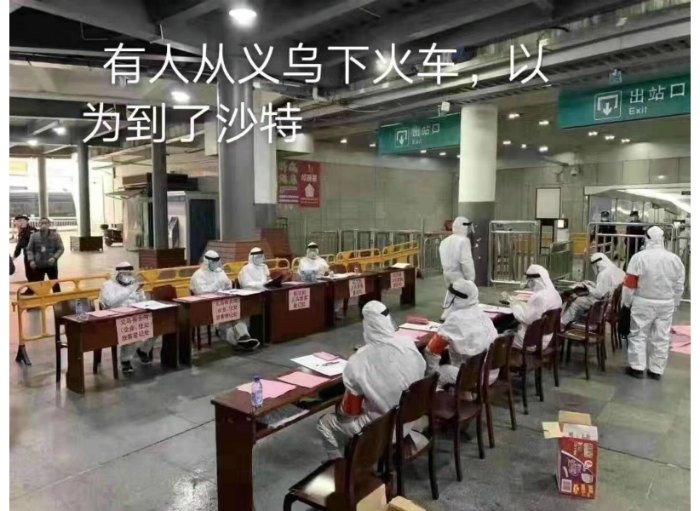
There was also this viral image below of an office canteen where people were self-isolating for safety reasons, saying: “Eating at the cantine of my unit now feels more like taking an exam.”
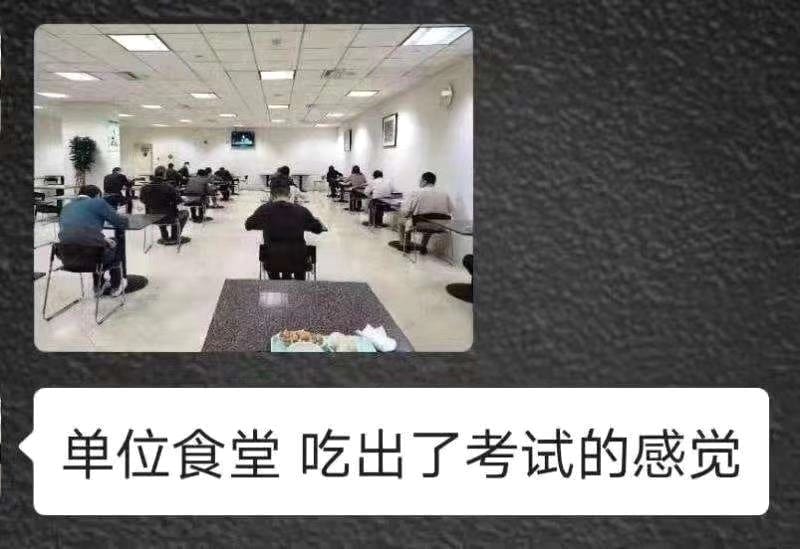
Videos and images of people using sanitary pads, bras, plastic bags, or even fruit to protect their faces due to a scarcity of face masks also continue to make their rounds on social media, with people sometimes mocking neighbors, their friends or family, or even themselves in the extreme and sometimes silly measures they are taking to avoid getting the coronavirus.
We’ve reached a point where people are starting to wear inflatable costumes on the streets to protect themselves against the #coronavirus. According to Chinese media, a medical expert said this is “unnecessary” and that washing hands and wearing face masks will do 😂😂😂 pic.twitter.com/OvhOD76kum
— Manya Koetse (@manyapan) February 6, 2020
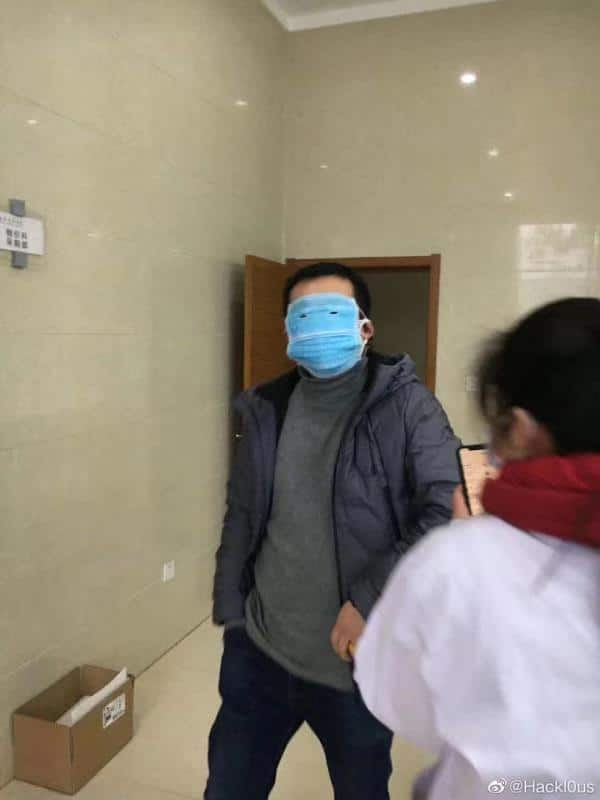
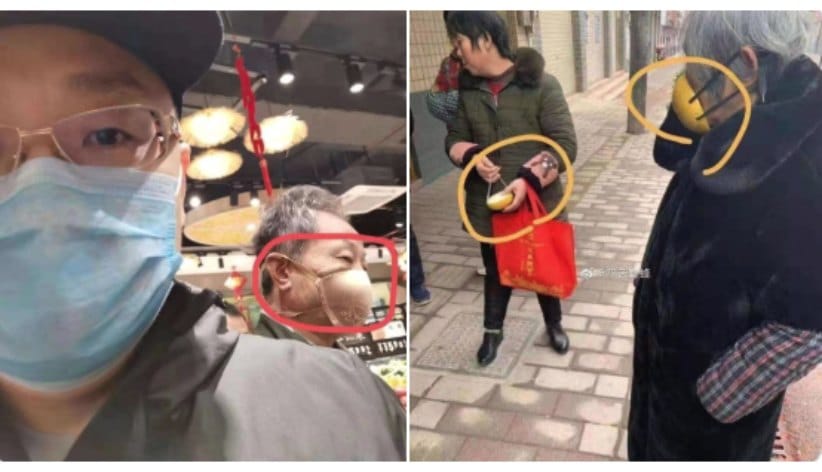
We’ve gotten to a point where I am seriously doubting if this is 100% serious, 100% joke, but I’m going for a bit of both. “We’re out of face masks, so now I use this.” #coronavirus pic.twitter.com/1LVuCFvYUo
— Manya Koetse (@manyapan) February 2, 2020
TREND #7:
Anger against Local Authorities and Illegal Lock-Ins
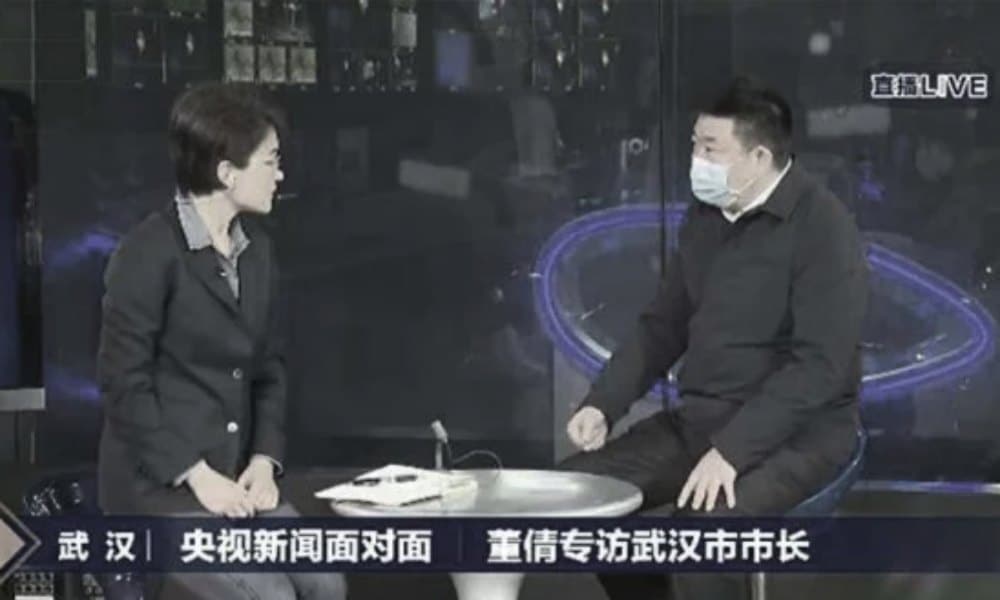
As panic over the spreading coronavirus has become bigger over the past few weeks, the voices criticizing local authorities and organizations for mishandling the situation have also grown louder.
While loud criticism of the central government is usually censored before triggering bigger discussions, there has been ample criticism of provincial, city, and county authorities and organizations – and not without consequence.
In Hubei, local authorities have been criticized for, among others, initially censoring reports of an emerging new illness in December of 2019.
The mayor of Wuhan, Zhou Xianwang, became a major target of netizens’ anger. In late January, Zhou admitted that he had failed in disclosing information in a timely manner and also “did not use effective information” to improve the local government’s work.
The Hubei branch of the Red Cross Society of China (RCSC, 中国红十字会) also received massive criticism online in early February when it turned out that, while the public donated medical supplies and money, most of it remained in the Red Cross warehouse.
On February 4, Chinese state media reported that the Hubei Red Cross deputy director had been removed from office and dismissed from the leading Party members group of the RCSC branch.
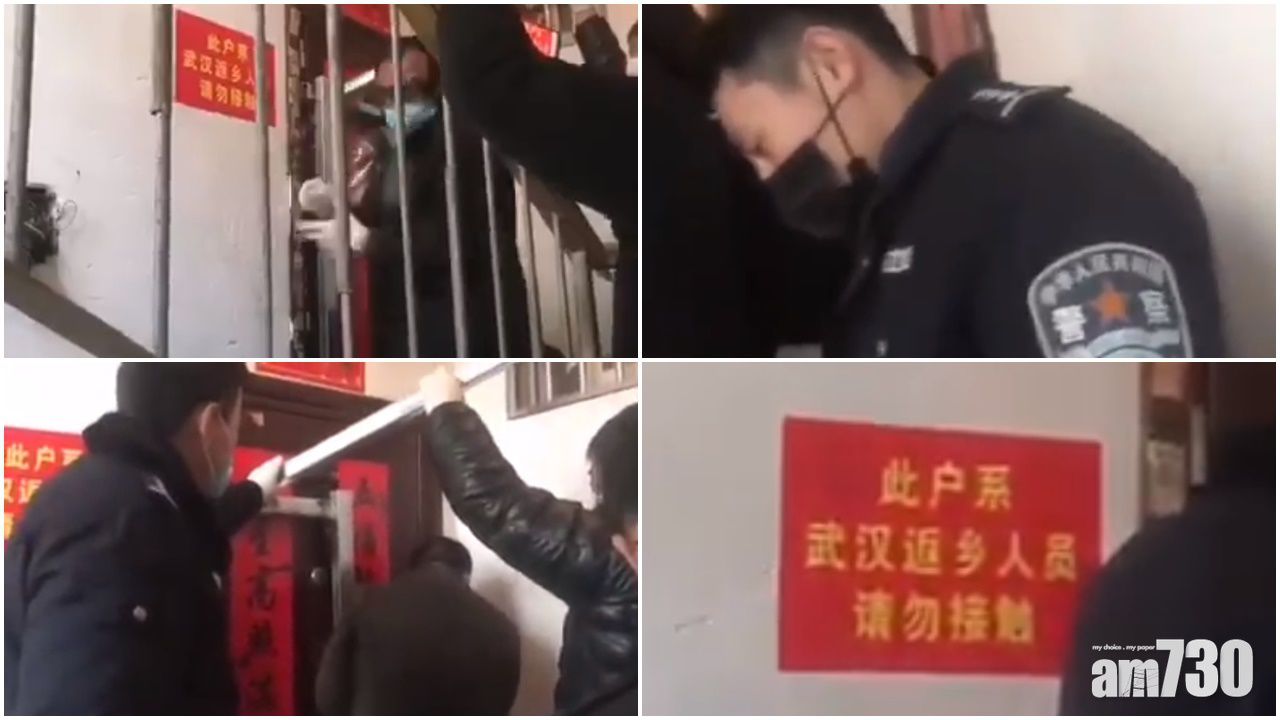
On village and prefecture-level, there has also been public condemnation of how authorities are handling the corona crisis.
Some videos going around social media showed how people, seemingly against their will, were locked up inside their own homes by local authorities after returning from Wuhan (“武汉返乡人员”).
China Youth Daily, the official newspaper of the Communist Youth League of China, also condemned these practices as “illegal” and “inhumane” in an article that has since been deleted.
Through a new WeChat function mentioned earlier in this post, Chinese netizens can now also report any mishandlings of the coronavirus situation.
At the time of writing, there seems to have been some increased censorship, but nevertheless, criticism on local authorities keeps flooding Weibo.
“While people are busy helping themselves and each other, what are the leaders of Hubei and Wuhan doing?”, some people wonder: “Supplies in the hospitals are still scarce, there are still people who are unable to receive help!”
TREND #8:
Corona Panic Buying
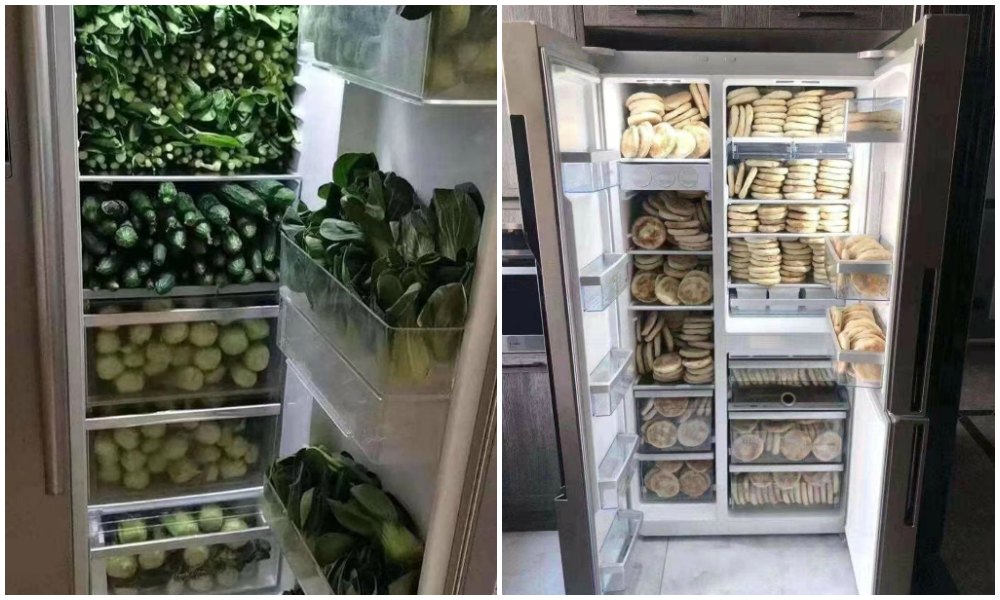
It was around January 21st when the coronavirus panic reached a peak in China; a third infected patient had died of the virus the day before, the first cases were confirmed outside of China, and several big travel platforms had started to offer refunds or change flights via Wuhan.
Similar to the SARS outbreak in 2003, news of the coronavirus led to waves of “scare shopping” – a trend that also became very visible on social media.
Medical face masks soon sold out in Chinese pharmacies and on e-commerce platforms: around 80 million face masks were sold on Alibaba’s Taobao platform alone on January 20 and January 21st. Those (online) shops still offering face masks exploited the shortage of face masks, and would only sell them at exorbitant prices.
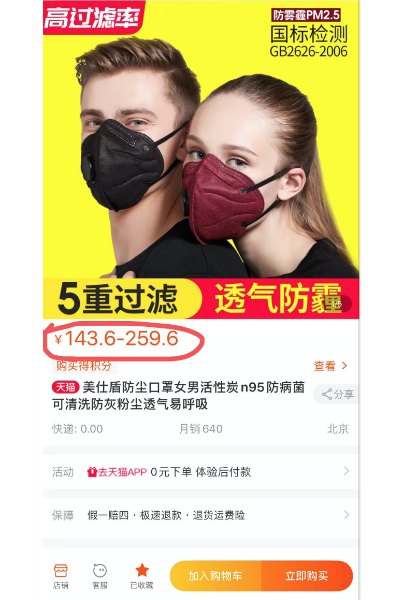
Twenty dollars for a face mask?
Although Alibaba soon announced it would remove sales of face masks from shops that were selling them at unstable prices, the sales and availability of (disposable) N95 masks is still an issue across China, with netizens complaining about it on Weibo every single day.
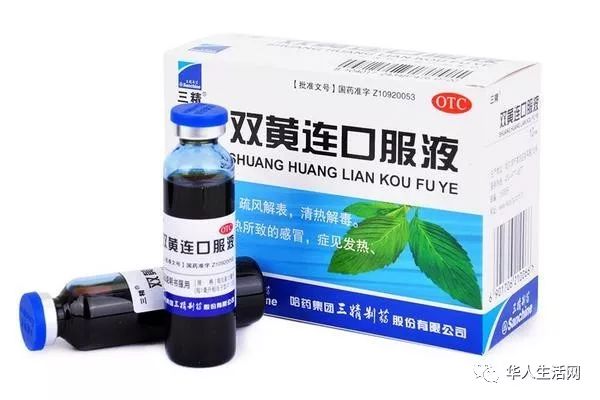
Another example of consumer panic followed the Jan 31st reports by two medical research institutions on the TCM oral medicine Shuanghuanglian, which would allegedly be effective in combating the new coronavirus.
Shortly after the reports came out, the herbal remedy sold out in stores across the country.
Chinese state media now warn people against “irrational purchases,” saying that the effectivity of herbal remedies such as Shuanghuanglian is still unsure.
Panic buying is a trend that is not just visible on Chinese social media, it is a trend that also seems to be triggered through social media, with rumors and reports of existing shortages of certain products leading to panic.
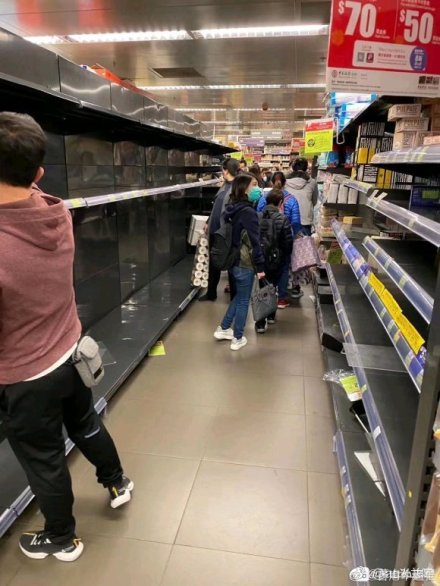
A clear example is the February 5 run on toilet paper in Hong Kong after rumors spread that the coronavirus outbreak would lead to insufficient supplies.
OK, Hong Kong, I totally get the surgical mask panic. We all do. But pray tell. what’s up with the run on toilet paper? Are y’all really buying this rumour that China will boycott HK for… Toilet paper ? pic.twitter.com/kb9e0flFyd
— Wang Feng 王丰 (@ulywang) February 5, 2020
As there are still many new developments and news reports coming out concerning the coronavirus, we will keep on publishing more on What’s on Weibo about what’s trending on Chinese social media. (Also read: Distrust and despair on WeChat and Weibo after the death of Wuhan whistleblower Li Wenliang).
If it’s quiet here, please also follow us on Twitter here and here.
By Manya Koetse, additional research and news-gathering by Miranda Barnes
Follow @whatsonweibo
Spotted a mistake or want to add something? Please let us know in comments below or email us. First-time commenters, please be patient – we will have to manually approve your comment before it appears.
©2020 Whatsonweibo. All rights reserved. Do not reproduce our content without permission – you can contact us at info@whatsonweibo.com.


China and Covid19
Weibo Watch: Small Earthquakes in Wuhan
How Wuhan is shaking off its past with a new wave of innovation, the hot topics to know, and the Weibo catchphrase of the week: ‘the Three Questions of Patriotism.’
PREMIUM NEWSLETTER | ISSUE #37
Dear Reader,
“Wuhan Earthquake” (#武汉地震#) momentarily became the number one trending topic on Weibo this Friday night, after residents of Jiangxia District reported feeling their homes and buildings shake. “Was there an earthquake, or am I drunk?” some wondered.
I also felt a bit tipsy in Wuhan this month. Neon signs, dancing livestreamers, flying drones, bustling night markets, and holographic lights. On my first night in Wuhan, the lights made me dizzy and I discovered that the city was nothing like I had imagined.
Until now, I couldn’t help but associate Wuhan with the wet market, crowded fever clinics, and China’s first Covid hospitals. As the world watched the pandemic unfold in 2020, Wuhan became instantly famous as an early epicenter of the Covid-19 crisis. It became known as the quarantined city, the city of Dr. Li Wenliang, and the city of the “invincible Wuhan man.” At the time, it seemed like such a monumental event that Wuhan would not recover anytime soon, even after enduring the worst peak of Covid.
Now, over four years later, everything feels different. I felt a rush of energy as I strolled through the lively streets. It was evident that Wuhan is much more than the city that gained global notoriety as the pandemic hotspot. Beyond its vibrant atmosphere, it is making international headlines for its leadership in autonomous driving, having emerged as the world’s largest testing ground for self-driving cars, particularly in unmanned ride-hailing services.
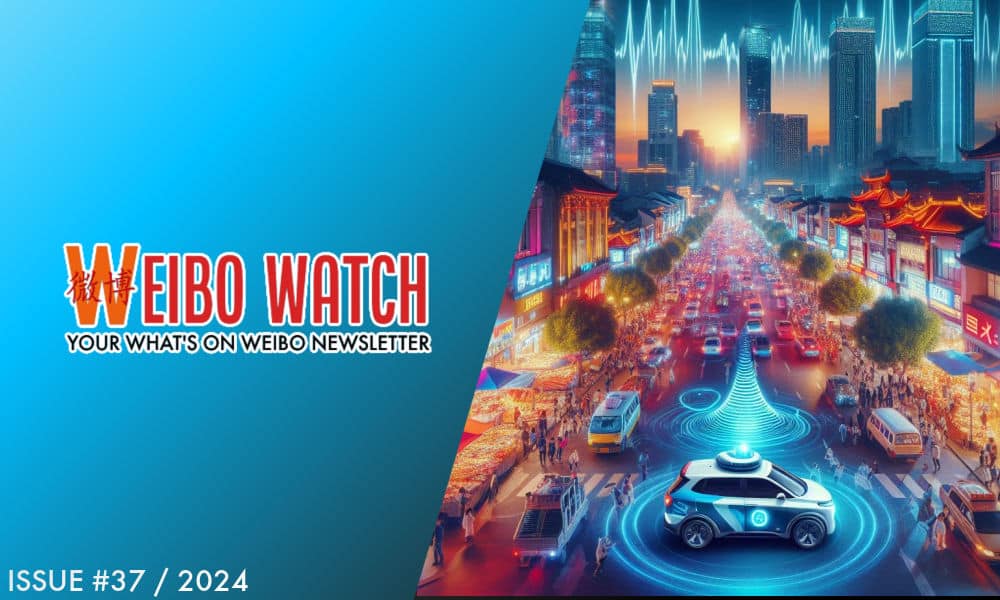
Baidu’s Apollo Go, referred to as Luobo Kuaipao (萝卜快跑) in Chinese, is the driving force behind the robotaxi revolution in Wuhan. Since their arrival earlier this year, they have become a hot topic on Chinese social media, and I was eager to experience it for myself.
(Brief explainer: Luóbo (萝卜) means radish or turnip in Chinese, but when pronounced, it sounds similar to “robo.” Kuàipǎo (快跑) translates to “run fast.” Combined, it creates a playful name that can be interpreted as “Radish Runs Fast” or “Robo Go.” I’ll use ‘Luobo’ here, as it is the most common way to refer to Apollo Go in China and has a cute sound.)
In the areas where the robotaxis operate, people already seem to have become accustomed to the driverless ‘Luobo.’ During a 1.5-hour ride in the unmanned taxi—I took a long journey and then needed to return again—I was surprised to see so many of them on the road. Other drivers, motorcyclists, and passengers didn’t even bat an eye anymore when encountering the new AI taxi.
Currently, there is an active fleet of 400 cars in Wuhan, and Baidu plans to expand this to 1,000 in the fourth quarter of this year. Although these taxis still comprise only a fraction of the city’s entire taxi industry, their impact is noticeable on the roads, where you will inevitably encounter them. I stood at one drop-off point near an urban shopping center for at least forty minutes and witnessed passengers being dropped off continually, with some proceeding their journeys into areas where Luobo doesn’t operate by calling the ride-hailing service Didi from there.
As for the experience itself, it was thrilling to see the steering wheel move with no driver in the front seat. I was surprised at how quickly I adapted to something so unfamiliar. It’s incredibly comfortable to have a car to yourself—no driver, no worries—while you choose your own music (and sing along), set the air conditioning, and relax as the Luobo navigates the traffic.
Even inside the vehicle, Baidu emphasizes the safety of their self-driving cars, providing information about how Apollo Go has accumulated over 100 million kilometers of autonomous driving testing without any major accidents, thanks to a strict safety management system.
If you close your eyes, the experience feels like riding with a regular driver. Luobo speeds up, slows down, and occasionally makes unexpected maneuvers when a car or bike suddenly approaches. It ensures there’s enough space between itself and the car in front. While I can’t say that merging onto the highway or encountering unexpected traffic situations didn’t feel a bit scary, I soon felt at ease and came to rely on the technology.
That said, there are still bumps in the road. Luobo has often been ridiculed on Chinese social media for getting stuck at a green light, stopping for a garbage bag, or struggling to make a U-turn. While riding and observing the robotaxis in Wuhan, I noticed plenty of honking and road rage as Luobo chooses safety first, often appearing sluggish, earning them the nickname ‘Sháo Luóbo’ (勺萝卜/苕萝卜, “silly radish”).
While Luobo might still have its silly moments, it is a serious part of the future. Already, it is popular among commuters for its low cost, privacy, and convenience.
After spending an entire morning riding and watching the Luobos, I excitedly felt like I had experienced a glimpse of the future. Right now, Luobo Kuaipao operates in various cities across China, including Beijing, but it’s still in the testing phase there—none of my friends from Beijing have ever seen or taken one yet. However, this will likely change soon, heavily relying on policy support.
That night, I spoke to a young local in a busy commercial area near my hotel. Like many residents, he was curious about where I came from and what I was doing in Wuhan. (During the four days I spent there, I noticed very few foreign tourists.) We briefly discussed the pandemic; he reflected on the difficulties it brought but treated it as something from the past—just another bump in the road in the city’s long history.
Instead of dwelling on the pandemic, our conversation focused on the future: Wuhan’s robotaxis, his confidence in China’s technology, and the rising importance of his country on the geopolitical stage. He was just one of several young people I spoke to, from shopkeepers to students, who seemed very focused on China’s growth and development and how its technological advancements reflect its position in a world where the U.S. is no longer leading.
When it comes to China’s driverless innovations, they are shaking the foundations of transportation like an earthquake. Besides Apollo Go, companies like Pony.ai (小马智行), WeRide (文远知行), SAIC Motor (上汽集团), AutoX (安途), FAW (一汽), Changan Automobile (长安汽车), BYD (比亚迪), Yutong (宇通), and many other industry players are also working to realize driverless passenger cars, shuttle services, freight trucks, delivery vehicles, public transport buses, and much more.
What we’re witnessing in Wuhan is merely a glimpse into a future under construction, actively promoted by Chinese state media. Over the past week alone, CCTV featured Luobo Kuaipao in three segments as a key example of China’s new technological advancements and the national strategy to build a strong tech-driven economy.
As I left Wuhan in a traditional taxi, I suddenly felt like a time traveler. Wuhan was the birthplace of the 1911 revolution and will also appear in foreign history books as the initial epicenter of the Covid-19 pandemic. Now, it is at the center of an international robotaxi revolution, and it won’t be the same the next time I return.
While my friendly elderly driver—I estimated him to be in his late 50s—honked at other cars, I realized he had witnessed many other revolutions, including the Cultural Revolution as a young boy, the economic reforms, and the major social changes of the 1980s, as well as the digital revolution of the 2000s. With the growth of Wuhan’s robotaxi fleet, his job might be affected, adding another tremor to his city and his life—though he may already be retired by then.
As he helped me with my luggage and wished me a safe trip home at the Wuhan Hankou Station, I couldn’t help but feel nostalgic about how everything always changes and gets shaken up as we move forward into a future driven by technology.
As for Friday’s earthquake in Wuhan—it turns out it was a 1.6. Despite the online interest in the topic, it means virtually nothing in a city where things of much greater magnitude are happening.
If you’d like to know more about my experiences and the slight setback I encountered while searching for Wuhan’s robotaxis, check out the short videos I made here:
Part 1 (also on Instagram)
Part 2 (also on Instagram).
Best,
Manya Koetse
(@manyapan)
What To Know
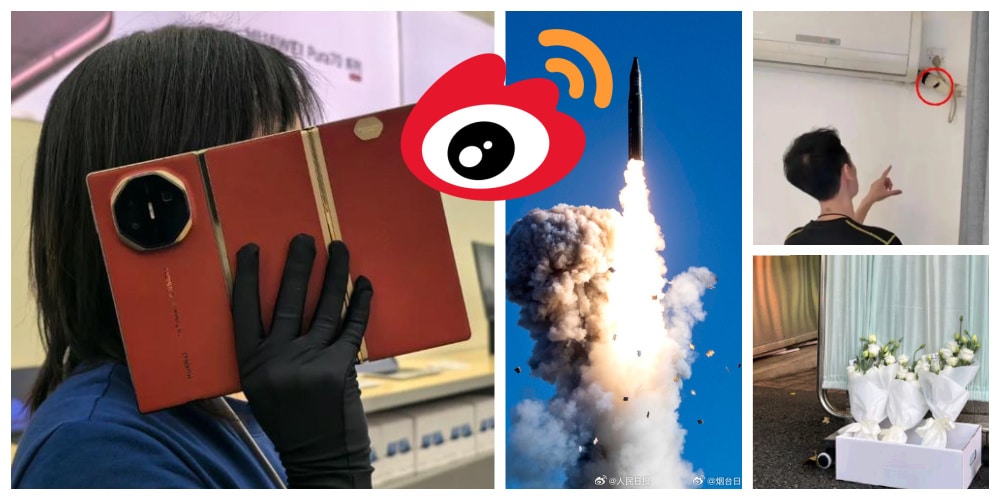
🚀 China’s First Intercontinental Ballistic Missile Test-Launch Since 1980
On the morning of September 25, China announced a successful test launch of an intercontinental ballistic missile (ICBM) carrying a ‘dummy warhead’ into the Pacific Ocean. This marked the first ICBM launch in decades, described by official media as part of routine annual training.
The People’s Daily Weibo account of the Communist Party shared a video of the People’s Liberation Army (PLA) announcing the successful test launch, accompanied by suspenseful and patriotic music, specifically the “March of the Steel Torrent” (钢铁洪流进行曲) (see video). This launch quickly became a trending topic (#我军向太平洋发射洲际弹道导弹#). While Chinese state media claimed that Beijing informed relevant countries in advance, Japan stated that it did not receive any prior notice, further heightening tensions between China and Japan.
🇯🇵 Aftermath of Japanese Schoolboy Stabbing
The incident in which a Chinese man fatally stabbed a ten-year-old Japanese schoolboy near the Shenzhen Japanese School on September 18 has become a widely discussed topic this month. The attacker, a 44-year-old Chinese national, was immediately arrested. However, discussions about the stabbing are ongoing, as it has sparked a wave of anger in Japan, where critics argue that anti-Japanese sentiments in China are fueled by official media and national education.
Meanwhile, China and Japan have effectively resolved their diplomatic dispute regarding the Fukushima water discharge, with some suggesting a connection between the two events. China’s Foreign Ministry spokesperson Mao Ning (毛宁) stated on September 20 that the issues are not related (#中日共识与日本男童遇袭无关#). Beyond the geopolitical implications, the international media coverage of the stabbing incident has also provoked anger on Chinese social media, where many netizens reject the supposed negative portrayal of China. The topic is quite sensitive and continues to face significant censorship online.
📱 Huawei Trifold Phone
The launch of Huawei’s ‘trifold’ phone earlier this month generated significant excitement in China, with many believing that Huawei—and, by extension, China—is now at the forefront of innovation in the folding screen smartphone race. The Mate XT is the first triple-folding screen phone, leading some top commenters to proclaim, “Huawei’s innovation capability is truly the best in the world. While other manufacturers are still researching foldable phones, Huawei has already released the trifold.”
During my travels in China over the past few weeks, I visited several Huawei stores, but unfortunately, the trifold was never on display; it’s available only by reservation and has allegedly garnered millions of pre-orders, despite its hefty price tag of CNY 19,999 (USD 2,850). There’s also been some lighthearted banter surrounding the phone, including a viral post that humorously depicts what it looks like when you make a phone call with the screen unfolded (it looks ridiculous), and a user who taped two phones together to create a sixfold.
👴 Retirement Age Discussions
News came out last week that China will raise its retirement age for the first time since the 1950s. China’s current retirement ages are among the world’s lowest. Facing an aging society and declining birth rates, the ages will now be increased in a step-by-step implementation process: 50 to 55 for women in blue-collar jobs, 55 to 58 for females in white-collar jobs, and 60 to 63 for male workers.
This change, set to take effect on January 1, 2025, has already sparked considerable discussion this year after experts proposed the adjustment. A related hashtag has garnered over 870 million views on Weibo (#延迟法定退休年龄改革#), where many users expressed their dissatisfaction with the change. “Great, I’ll get to retire in September of 2051 now,” one young worker wrote. “We start studying earlier and retire later; how can we keep up with this?”
📷 Hidden Hotel Cameras
After a Chinese blogger known as “Shadows Don’t Lie” (@影子不会说谎) recently discovered and exposed hidden cameras in the rooms of two guesthouses in Shijiazhuang, he faced significant intimidation and threats from the owners and employees, who accused him of staging the situation for attention.
However, the situation turned out to be real, and local police arrested multiple suspects responsible for installing these cameras inside these hotel rooms, which are often rented by young couples for romantic short stays. The suspects reportedly did not know the guesthouse owners and had secretly set up the cameras to profit illegally. This incident, which continues to generate discussion online, has heightened public concern over privacy protection and the integrity of the guesthouse industry, particularly as this is not the first time such issues have been revealed.
Weibo Word of the Week

The Three Questions of Patriotism
Our Weibo word of the week is 爱国三问 (àiguó sān wèn), which translates to “The Three Questions of Patriotism.” This phrase has recently gained attention on Chinese social media as it was highlighted and propagated by official media channels.
The three questions are:
1. Are you Chinese? (你是中国人吗)
2. Do you love China? (你爱中国吗)
3. Do you wish China well? (你愿意中国好吗)
These questions were originally posed in 1935 by Zhang Boling (张伯苓), the first president of the renowned Nankai University (南开大学) in Tianjin.
Today, they are being revived on Chinese social media through various videos released by official channels.
One notable video is part of a new online series produced by state media titled “Great Educators” (大教育家), which features reenactments of speeches by prominent Chinese educators. In this series, Zhang Boling’s speech, portrayed by actor Wang Ban (王斑), emphasizes the importance of unity in tumultuous times.
Rather than dwelling on differences, Zhang urged people to recognize their shared identity: they are all Chinese, they love China, and they all aspire for the country’s prosperity.
Another video features Nankai University’s current president, Chen Yulu (陈雨露), addressing students during a large event on September 21st. In his speech, Chen reiterates the three famous questions, prompting the hundreds of students in attendance to respond enthusiastically: “We are [Chinese]!” “We love [China]!” “We wish [China well]! We want China to be strong and prosperous!” This response is followed by enthusiastic applause.
Additionally, another video from the same day features a meeting between Chen Yulu and an AI version of Zhang Boling, digitally resurrected to address the students and celebrate the start of the new school year. During this ‘virtual dialogue,’ Chen informs Zhang that his ‘Three Questions of Patriotism’ have become a cherished tradition at Nankai’s annual opening ceremony.
According to Chinese state media, the students’ responses to these three questions illustrate how contemporary Chinese youth are aligning their personal aspirations with national progress. This alignment is seen as a revival of the patriotic spirit that Zhang Boling instilled in students during wartime. However, the current ‘revival’ of this sentiment appears to be largely reflected across various official channels, with limited engagement from ordinary netizens.
This is an on-site version of the Weibo Watch newsletter by What’s on Weibo. Missed last week’s newsletter? Find it here. If you are already subscribed to What’s on Weibo but are not yet receiving this newsletter in your inbox, please contact us directly to let us know.
China and Covid19
Sick Kids, Worried Parents, Overcrowded Hospitals: China’s Peak Flu Season on the Way
“Besides Mycoplasma infections, cases include influenza, Covid-19, Norovirus, and Adenovirus. Heading straight to the hospital could mean entering a cesspool of viruses.”
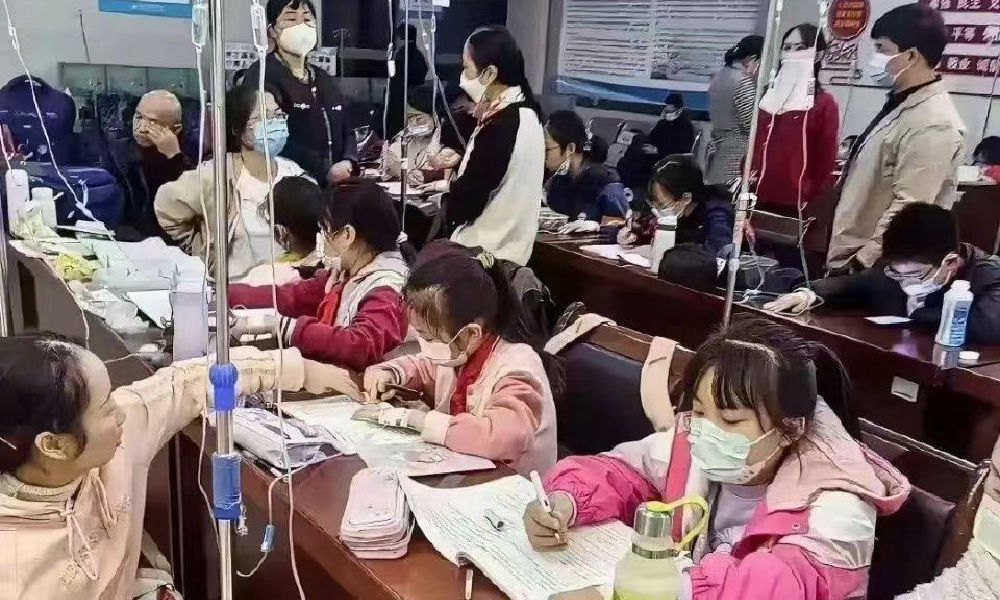
In the early morning of November 21, parents are already queuing up at Xi’an Children’s Hospital with their sons and daughters. It’s not even the line for a doctor’s appointment, but rather for the removal of IV needles.
The scene was captured in a recent video, only one among many videos and images that have been making their rounds on Chinese social media these days (#凌晨的儿童医院拔针也要排队#).
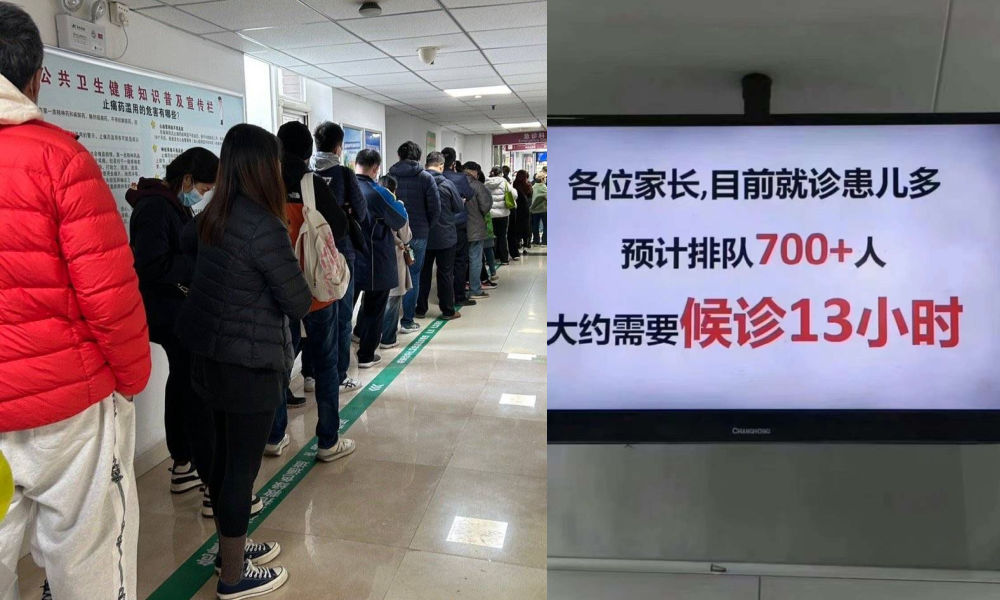
One photo shows a bulletin board at a local hospital warning parents that over 700 patients are waiting in line, estimating a waiting time of more than 13 hours to see a doctor.
Another image shows children doing their homework while hooked up on an IV.
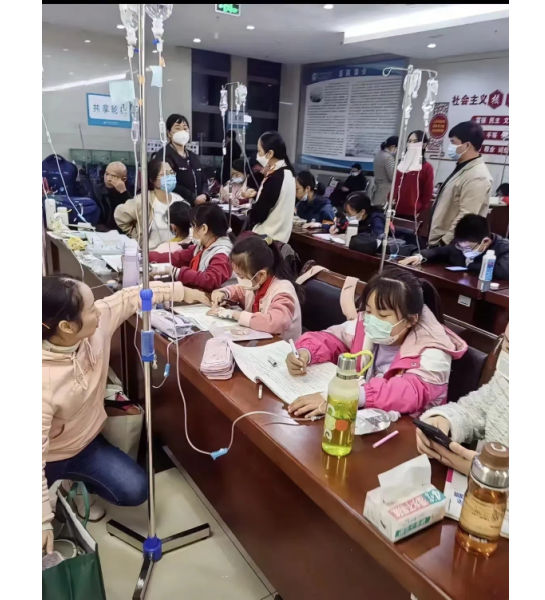
Recent discussions on Chinese social media platforms have highlighted a notable surge in flu cases. The ongoing flu season is particularly impacting children, with multiple viruses concurrently circulating and contributing to a high incidence of respiratory infections.
Among the prevalent respiratory infections affecting children are Mycoplasma pneumoniae infections, influenza, and Adenovirus infection.
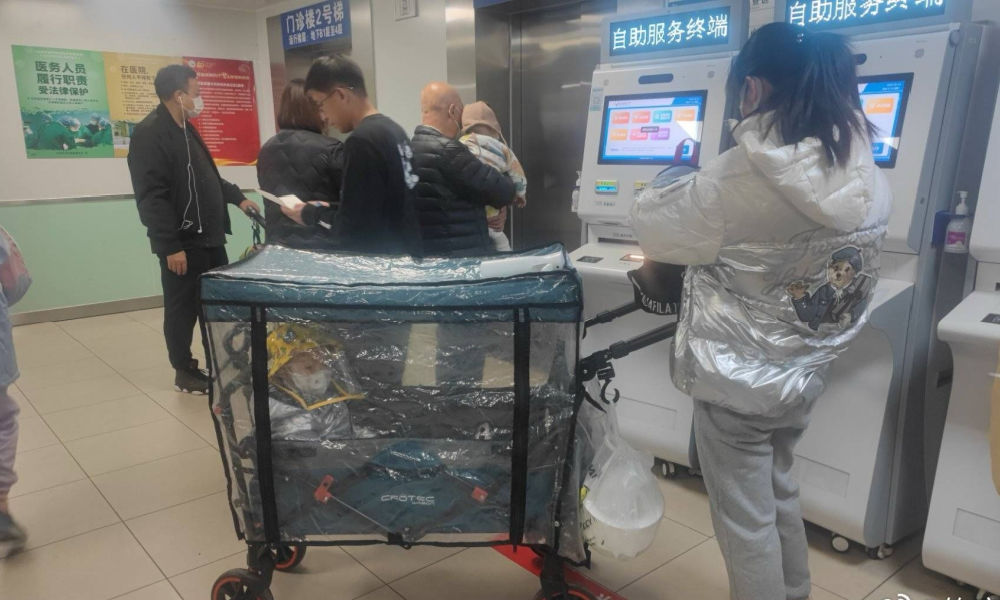
The spike in flu cases has resulted in overcrowded children’s hospitals in Beijing and other Chinese cities. Parents sometimes have to wait in line for hours to get an appointment or pick up medication.
According to one reporter at Haibao News (海报新闻), there were so many patients at the Children’s Hospital of Capital Institute of Pediatrics (首都儿科研究所) on November 21st that the outpatient desk stopped accepting new patients by the afternoon. Meanwhile, 628 people were waiting in line to see a doctor at the emergency department.
Reflecting on the past few years, the current flu season marks China’s first ‘normal’ flu peak season since the outbreak of Covid-19 in late 2019 / early 2020 and the end of its stringent zero-Covid policies in December 2022. Compared to many other countries, wearing masks was also commonplace for much longer following the relaxation of Covid policies.
Hu Xijin, the well-known political commentator, noted on Weibo that this year’s flu season seems to be far worse than that of the years before. He also shared that his own granddaughter was suffering from a 40 degrees fever.
“We’re all running a fever in our home. But I didn’t dare to go to the hospital today, although I want my child to go to the hospital tomorrow. I heard waiting times are up to five hours now,” one Weibo user wrote.
“Half of the kids in my child’s class are sick now. The hospital is overflowing with people,” another person commented.
One mother described how her 7-year-old child had been running a fever for eight days already. Seeking medical attention on the first day, the initial diagnosis was a cold. As the fever persisted, daily visits to the hospital ensued, involving multiple hours for IV fluid administration.
While this account stems from a single Weibo post within a fever-advice community, it highlights a broader trend: many parents swiftly resort to hospital visits at the first signs of flu or fever. Several factors contribute to this, including a lack of General Practitioners in China, making hospitals the primary choice for medical consultations also in non-urgent cases.
There is also a strong belief in the efficacy of IV infusion therapy, whether fluid-based or containing medication, as the quickest path to recovery. Multiple factors contribute to the widespread and sometimes irrational use of IV infusions in China. Some clinics are profit-driven and see IV infusions as a way to make more money. Widespread expectations among Chinese patients that IV infusions will make them feel better also play a role, along with some physicians’ lacking knowledge of IV therapy or their uncertainty to distinguish bacterial from viral infections (read more here)
To prevent an overwhelming influx of patients to hospitals, Chinese state media, citing specialists, advise parents to seek medical attention at the hospital only for sick infants under three months old displaying clear signs of fever (with or without cough). For older children, it is recommended to consult a doctor if a high fever persists for 3 to 5 days or if there is a deterioration in respiratory symptoms. Children dealing with fever and (mild) respiratory symptoms can otherwise recover at home.
One Weibo blogger (@奶霸知道) warned parents that taking their child straight to the hospital on the first day of them getting sick could actually be a bad idea. They write:
“(..) pediatric departments are already packed with patients, and it’s not just Mycoplasma infections anymore. Cases include influenza, Covid-19, Norovirus, and Adenovirus. And then, of course, those with bad luck are cross-infected with multiple viruses at the same time, leading to endless cycles. Therefore, if your child experiences mild coughing or a slight fever, consider observing at home first. Heading straight to the hospital could mean entering a cesspool of viruses.”
The hashtag for “fever” saw over 350 million clicks on Weibo within one day on November 22.
Meanwhile, there are also other ongoing discussions on Weibo surrounding the current flu season. One topic revolves around whether children should continue doing their homework while receiving IV fluids in the hospital. Some hospitals have designated special desks and study areas for children.
Although some commenters commend the hospitals for being so considerate, others also remind the parents not to pressure their kids too much and to let them rest when they are not feeling well.
Opinions vary: although some on Chinese social media say it's very thoughtful for hospitals to set up areas where kids can study and read, others blame parents for pressuring their kids to do homework at the hospital instead of resting when not feeling well. pic.twitter.com/gnQD9tFW2c
— Manya Koetse (@manyapan) November 22, 2023
By Manya Koetse, with contributions from Miranda Barnes
Get the story behind the hashtag. Subscribe to What’s on Weibo here to receive our newsletter and get access to our latest articles:
Spotted a mistake or want to add something? Please let us know in comments below or email us. First-time commenters, please be patient – we will have to manually approve your comment before it appears.
©2023 Whatsonweibo. All rights reserved. Do not reproduce our content without permission – you can contact us at info@whatsonweibo.com.
Eye on Digital China is a reader-supported publication by
Manya Koetse (@manyapan) and powered by What’s on Weibo.
It offers independent analysis of China’s online culture, media, and social trends.
To receive the newsletter and support this work, consider
becoming a paid subscriber.


Chinese Postdoc Death Raises Questions as Key Details Remain Missing

“Auntie Mei” Captured After 20 Years, China’s Train-Stain Scandal, and Zhang Xuefeng’s Final Lesson

Raising Lobsters, 6G Coming, and China’s DIY Deity Trend

Two Sessions, a Celebrity Meltdown, and the Rise of China’s “Forget It” Mindset

Inside the Great Chinese Debate Over the Iran War

Inside Chunwan 2026: China’s Spring Festival Gala
Inside the Great Chinese Debate Over the Iran War

Chinamaxxing and the “Kill Line”: Why Two Viral Trends Took Off in the US and China

Spring Festival Trend Watch: Gala Highlights, Small-City Travel, and the Mazu Ritual Controversy

From a Hospital in Crisis to Chaotic Pig Feasts
-

 Chapter Dive9 months ago
Hidden Cameras and Taboo Topics: The Many Layers of the “Nanjing Sister Hong” Scandal
-

 China Insight8 months ago
“Jiangyou Bullying Incident”: From Online Outrage to Offline Protest
-
 Chapter Dive11 months ago
Understanding the Dr. Xiao Medical Scandal
-

 China Arts & Entertainment6 months ago
The Wong Kar-wai Scandal Explained: The Dark Side of ‘Blossoms Shanghai’