
China Brands, Marketing & Consumers
Stinky Marketing: Chinese Feminine Hygiene Brand Fuyanjie Stirs Controversy with “Dark and Smelly” Ad
Feminine hygiene brand Fuyanjie is caught in a social media storm over its “dark and stinky” marketing campaign.

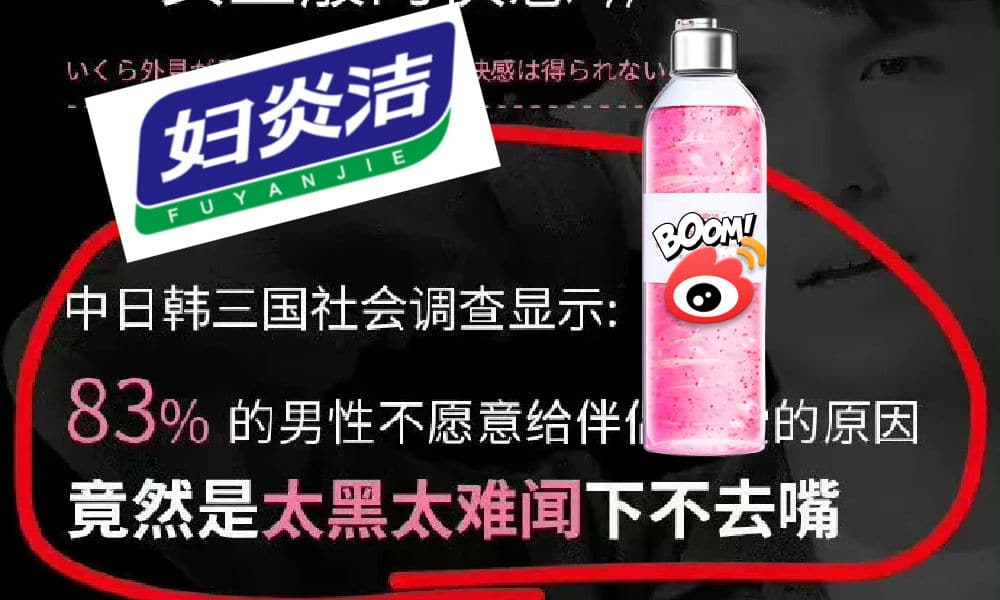
The Chinese feminine hygiene brand Fuyanjie (妇炎洁) has caused controversy on Chinese social media this week because of its latest marketing campaign.
The brand recently came out with a new product promotion campaign via its online flagship store. The campaign promoted the pink-colored lotion by claiming that “surveys show that 83% of men from South Korea, Japan, and China are not willing to go down on their partner because it’s too dark and stinky.”
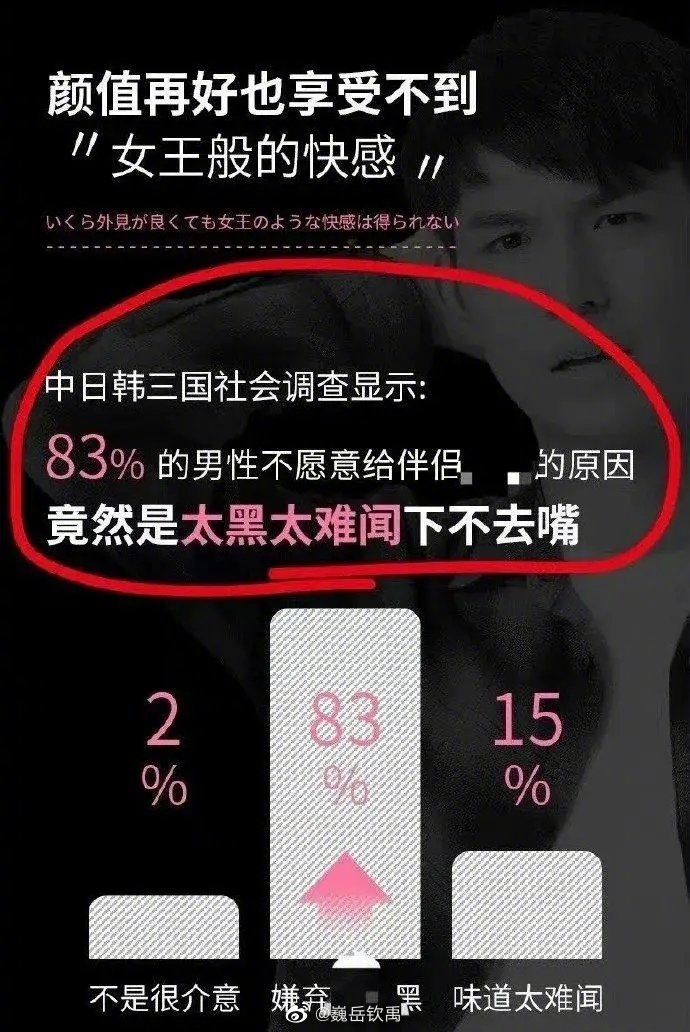
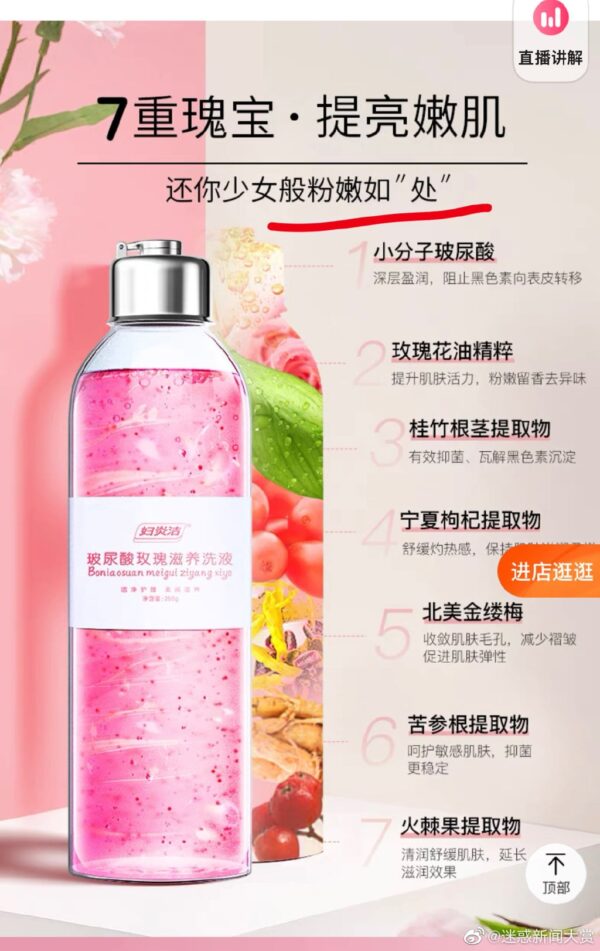
Of course, the brand promised a solution for this alleged widespread bedroom problem. The campaign suggested that Fuyanjie’s lotion will clean the genital area while also lightening darkened vaginal area skin and make it more “pink.”
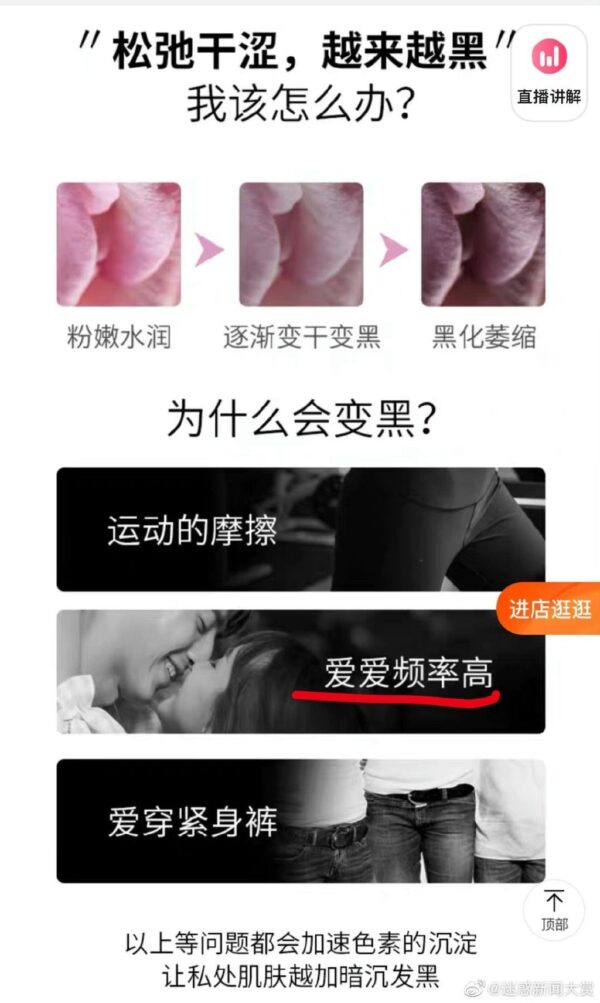
Besides claiming to make the skin more pink-colored, the campaign also suggested that hyperpigmentation of the genital area can be caused by wearing tight pants and having too much sex.
The brand drew widespread criticism from netizens for being vulgar, insulting to women, and completely unscientific. By Saturday, the hashtag “Fuyanjie Ad Insults Women” (#妇炎洁广告被指侮辱女性#) had received over 130 million views on Weibo.
China Women’s News also condemned Fuyanjie on May 17th for its ad, saying that the brand ruined its own reputation by using women’s bodies for distasteful marketing practices.
Following the controversy, Fuyanjie published an apology on social media on May 20th, saying they offered their sincere apologies for their “inappropriate content” and that they will make sure something like this will not happen again in the future. They also stated that the product in question has now been taken off the shelves.
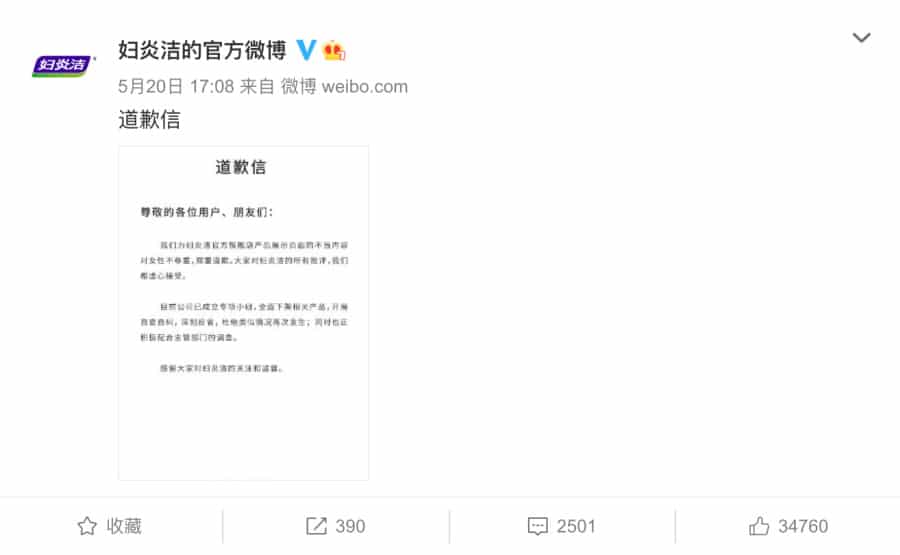
The “Fuyanjie Apologizes” hashtag (#妇炎洁道歉#) received over 80 million views on Weibo, but most netizens were not buying it, blaming the company for deceiving and discriminating women while also making money off of them.
Fuyanjie is a well-known female product brand in China that has been around since 1998. It is part of the Renhe Pharmaceuticals Group, a pharmaceutical company that specializes in the manufacture and marketing of over-the-counter (OTC) drugs and other healthcare products. Besides female intimate hygiene products, Fuyanjie also sells sanitary napkins and other related products.
“I can’t wash away your past, but I can clean up your future“
Fuyanjie became a household name in the 1990s and early 2000s, mainly due to its marketing strategy which involved a catchy song by a couple singing a love song (‘Lover’ 知心爱人 by Ren Jing and Fu Disheng) and the slogan: “Washing is Healthier” (“洗洗更健康”).

The brand name Fuyanjie (妇炎洁) literally means ‘cleansing women’s vaginitis,’ with the company claiming that their products kill germs, make you feel fresh and clean, and that using their intimate care products somehow makes you “more healthy” (Li 2016).
In its commercials and ads, Fuyanjie also makes a connection between their products and romantic relationships, showing happy couples buying Fuyanjie products together. In between the lines, the company suggests that using Fuyanjie feminine hygiene products will magically boost your love life.
Nevertheless, it has been pointed out many times before that these kinds of female hygiene products are unnecessary and misleading. Rather than maintaining genital health, some of these intimate washing products actually might disrupt the intimate balance of the vagina and give rise to infections.
One popular Weibo comment said: “Unless your doctor says otherwise, the best way to wash your private parts is with water. And regarding the pigment – it’s normal to have darker skin there.”
It is not the first time Fuyanjie gets caught in controversy. As reported by Jiemian News, the brand also sparked criticism from netizens in 2016 when it used the marketing slogan “I can’t wash away your past, but I can clean up your future” (“我不能洗掉你的过去,但我能洗干净你的未来”) for one of their intimate care products.
Other Chinese brands were previously also criticized for insulting women. Chinese underwear brand Ubras caused controversy online last year after suggesting that its underwear was so good that it helped women “lie to win in the workplace.” Sexist and offensive, according to many Weibo users. An ad by Chinese cotton product brand Purcotton also sparked controversy in 2021 for showing a woman wiping away her makeup to scare off a male stalker, with many finding the ad sexist and hurtful to women.
“They don’t respect women at all,” one Weibo commenter said about Fuyanjie. “They should make their own penises pink instead,” another person suggested.
By Manya Koetse
With contributions by Miranda Barnes
Get the story behind the hashtag. Subscribe to What’s on Weibo here to receive our weekly newsletter and get access to our latest articles:
References
Li, Hongmei. 2016. Advertising and Consumer Culture in China. Cambridge: Polity.
Spotted a mistake or want to add something? Please let us know in comments below or email us. First-time commenters, please be patient – we will have to manually approve your comment before it appears.
©2022 Whatsonweibo. All rights reserved. Do not reproduce our content without permission – you can contact us at info@whatsonweibo.com.


Chapter Dive
My Mum Has Two Husbands: The OPPO Mother’s Day Fiasco and 7 Other Gender Marketing Fails in China
Inside OPPO’s Mother’s Day PR fiasco and other failed marketing campaigns in China’s gender minefield
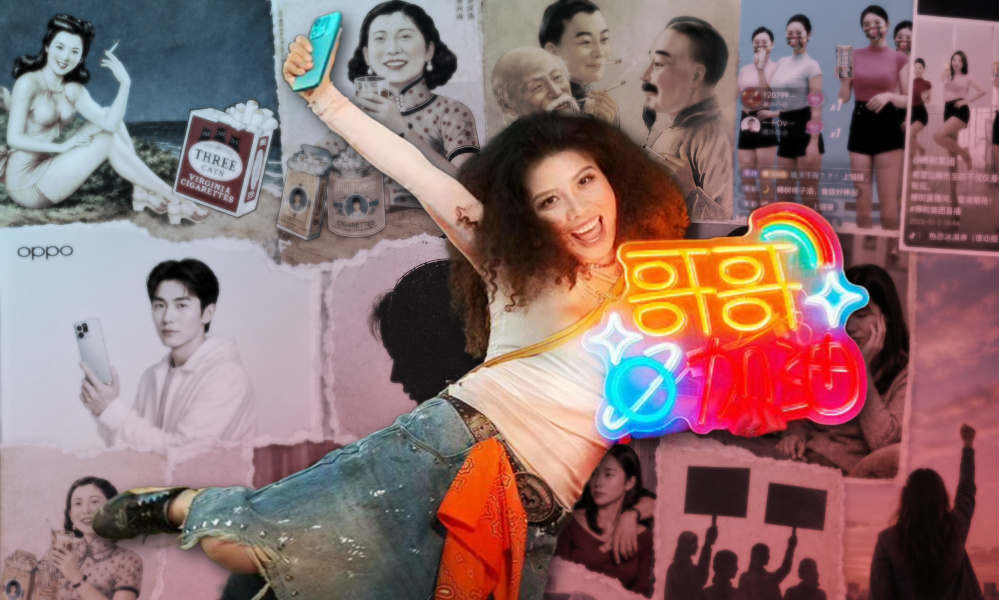
Mother’s Day is over, but OPPO is still recovering. The Chinese smartphone brand went viral over the weekend for a Mother’s Day marketing campaign that failed spectacularly. In the campaign, OPPO used the slogan: “My mom has two ‘husbands.’”
The accompanying text read:
“My mom has two ‘husbands.’ One is my dad, and the other one she sees twice a year. She barely dresses up for dates with my dad, but when she sees the other one, she’d wear a wedding dress if she could.” (“我妈有两个‘老公’,一个是我爸,另一个一年见两回。跟我爸约会基本不打扮,见另一个,她恨不得穿婚纱。”)

The OPPO ad was published online on May 8, 2026.
With this ad, OPPO was likely trying to tap into digital culture and resonate with younger consumers by using online slang.
In Chinese fandom subcultures, female fans sometimes refer to their idols as their “husband” (老公, lǎogōng) to express their devotion. It is part of a broader online joke, with some fans even incorporating life-size cardboard cutouts of their favorite celebrities into their weddings.
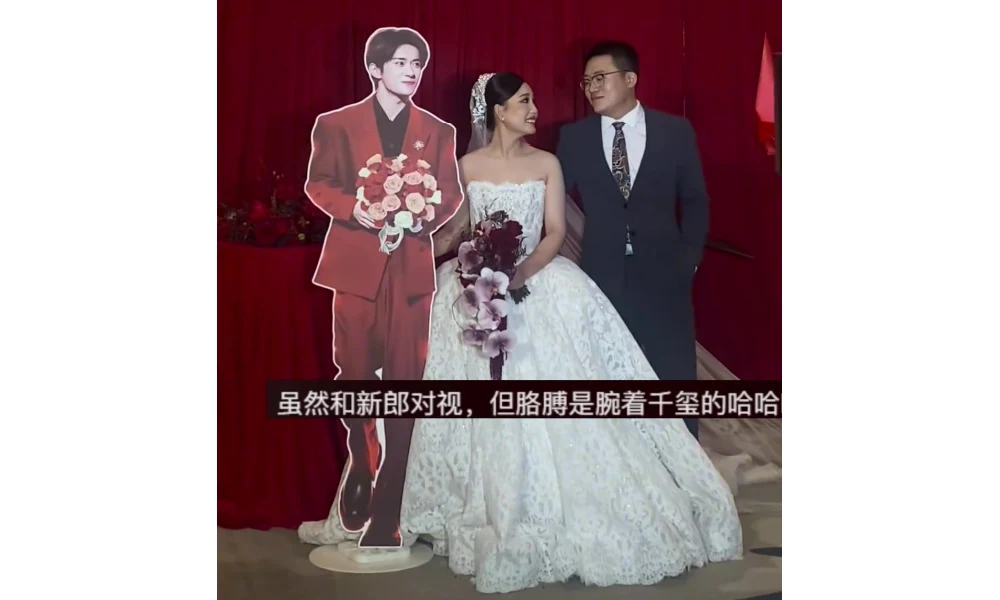
The phrase “real husband” (真老公) gained wider mainstream attention in late 2025 after a young Chinese bride unexpectedly ran into rapper and singer Jackson Wang on her wedding day and posted:
💬 “Who understands this? I met my real husband on my wedding day!” (“谁懂啊!婚礼当天遇到了真老公!!”)

The ‘real husband’ post that went viral in late 2025 and early 2026.
Although some commenters found it funny, the bride was heavily criticized for publicly calling a celebrity her “real husband” on her wedding day, using the same word (老公) that refers to her literal spouse, as if she were placing her idol above her actual groom.
💬 “This makes it seem as though she does not truly regard the man she is legally marrying as her husband at all,” one among many commenters wrote.
While OPPO was probably aiming for a tongue-in-cheek campaign featuring an energetic and youthful mother who adores her idol, the company appears to have badly misread the room.
After the ad was posted on Weibo and other social media channels ahead of Mother’s Day, backlash quickly followed.
Many netizens were confused and did not understand the reference to fan culture. Some said they were simply “baffled” by what they saw as an inappropriate message suggesting that mom was cheating—and on Mother’s Day, no less!
💬 “Without reading the comments, I thought the ad was saying the mother was cheating and didn’t love her husband, but had a side lover she was crazy about,” one Xiaohongshu commenter wrote.
Others asked whether the creators would have been willing to run a similar Father’s Day campaign with the line: “My dad has two wives.”
Fan culture remains far removed from the everyday experience of many ordinary Chinese netizens, creating not just a gender divide but also a generational and social one.
Even when people understand that an “idol husband” is purely fictional, the term 老公 (lǎogōng) still carries the literal meaning of “husband” and implies emotional devotion to someone outside the marriage. For some, that feels disrespectful.
Many also questioned the contrast at the heart of the campaign: why does mum barely dress up for dates with her husband, yet would supposedly wear a wedding dress to see a celebrity?
Others believe celebrity fandom in China has already gone too far, and felt that using this language in a mainstream advertising campaign was especially misplaced.
As one marketing commentator on Xiaohongshu Cathy聊品牌热点) put it, OPPO had managed to offend almost every relevant audience: male consumers who saw the ad as disrespectful to husbands, fandom communities who did not want their inside jokes dragged into mainstream advertising, women who support gender equality, and many others who hold strong views about traditional family values.
Emotional Infidelity as a Form of Female Self-Expression
The brand quickly took the campaign offline and apologized. But in their initial apology post, OPPO explained that it had merely intended to challenge gender stereotypes and present a “more diverse and multi-dimensional image of today’s mothers,” women who can enjoy celebrity fandoms and pursue hobbies beyond their roles as wives and mothers.
OPPO’s first apology: “Our original intention was to break stereotypes and present a more diverse and multi-dimensional image of today’s mothers.”
That explanation sparked another wave of criticism, with many arguing that OPPO had completely missed the point. Few people objected to the idea that mothers can have celebrity idols or personal passions. What many found problematic was the suggestion of romantic involvement outside the marriage.
One Weibo commenter (@甲申鬼友), who called the entire episode a “PR disaster”, suggested that the problem was that OPPO framed emotional infidelity as a form of female self-expression.
They wrote:
💬 “The controversial slogan “My mom has two husbands” was not about challenging stereotypes about mothers. Instead, it glorified the tacky behavior of a married woman calling a celebrity “husband” and wanting to wear a wedding dress to see him, presenting it as a form of female self-expression. Implicitly, it suggested that a real husband should unconditionally accept his wife’s “emotional infidelity.” (…). The message conveyed by the campaign was clear enough: it alienated men and mothers who still value loyalty and commitment in relationships.”
It soon became clear that OPPO’s handling of the issue was turning into a bigger problem than the ad itself.
As netizens continued to criticize the campaign, the controversy was amplified by blogs, mainstream media, and state-affiliated organizations.
The China Advertising Association (CAA), the country’s leading advertising body operating under state supervision, weighed in, along with the All-China Women’s Federation (ACWF), China’s main state-linked women’s organization.
Both organizations echoed familiar Party messaging, criticizing marketing that crosses the boundaries of public morality, deviates from core socialist values, violates traditional family ethics, or “misleads the public, especially young people, about social values.”
As the controversy escalated, attention also turned to OPPO’s China region brand strategy director, Yu Siyue (余思月), a graduate of Wuhan University’s School of Chinese Language and Literature.
The university itself then entered the discussion by posting a statement on Weibo saying it was “shocked” by the campaign. It said it “strongly disagrees with the content (..) and the values conveyed,” distancing itself from both the campaign and its alumna. (In a detail I found unintentionally amusing, the statement also noted that Yu had once been praised for helping an elderly passenger on a bus.)
Wuhan University itself was also criticized for inserting itself into a controversy that had little to do with the university. Chinese media outlet Yicai asked: “Who forced Wuhan University into this disastrous move?” Even political commentator Hu Xijin called the statement an overreaction and a sign of “public opinion anxiety syndrome” (舆情焦虑症).
In the end, OPPO apologizedc a second time on Monday, this time stating that both the campaign and its initial response reflected serious shortcomings in the company’s values and judgment. The company said it had lost sight of “upholding the boundaries of China’s core socialist values.”
OPPO said the incident had led to disciplinary measures against those responsible, and the company promised it would ensure that future campaigns better align with “mainstream values.”
Lessons to Be Learned
There are a few things to be learned from OPPO’s PR nightmare:
🔍 1. Marketing fails are often about the response
Once a marketing controversy breaks out, the company’s response often matters more than the original mistake. If the response fails to address the actual criticism, the fallout can become much worse than the initial problem.
🔍 2. In China, PR controversies quickly become political issues
In China, public relations is inherently political. What begins as criticism from netizens can quickly be amplified by state media and official organizations. In the process, a relatively minor marketing controversy can be reframed as a broader debate about morality and family values. Once that happens, the issue is no longer just about a poorly judged advertisement but becomes a tool for boosting official narratives and reinforcing broader Party priorities.
🔍 3. In China’s cancel culture, everyone rushes to distance themselves
Chinese online backlash can be intense and unforgiving. Once a controversy takes off, everyone rushes to distance themselves from it. The fact that OPPO’s brand director became a target, and that even Wuhan University felt compelled to issue a public statement, illustrates this dynamic. At the same time, such overreactions can backfire, especially when an organization emphasizes that it is “not involved” by publicly engaging in the controversy. Sometimes, silence really is golden.
🔍 4. Gender-related marketing in China is a minefield
This episode is another reminder of how difficult it can be for brands to engage with gender-related themes in China. Companies eager to appear youthful and relatable may underestimate just how sensitive these issues are, and how quickly a seemingly playful campaign can turn into a major controversy.
Not Just OPPO: When Gender-Related Marketing Goes Wrong
OPPO is far from alone.
In recent years, language, jokes, and messaging related to gender, feminism, and male-female relationships have become some of the most sensitive issues in Chinese advertising.
In a rapidly changing China, gender roles are evolving, identities are shifting, and ideas about what is considered feminine or masculine are increasingly contested.
Expectations around what female consumers want and what male consumers value are also in flux. Younger and older generations, and especially male and female netizens, often disagree about what is socially acceptable amid women’s growing assertiveness, persistent patriarchal attitudes, and changing global trends.
For advertisers and creative directors, this creates a particularly difficult environment. Brands are trying to tap into consumers’ purchasing power and keep up with shifting social norms, while also staying within the bounds of official values and political priorities. As a result, it is easy to misread the mood and miss the mark.
Campaigns can inadvertently reinforce traditional gender hierarchies, sexualize women, portray men in ways that spark backlash, or rely on outdated stereotypes.
And, as the OPPO case shows, even campaigns that genuinely aim to challenge stereotypes can end up provoking criticism instead.
Below are seven other examples of brand campaigns in China that backfired over the past decade.
💥 #1 Blue Moon: Mother’s Day Marketing Backfires
Marketing campaign (2024): “Let Mom Do the Laundry More Easily”
Main problem: Reinforcing outdated gender stereotypes
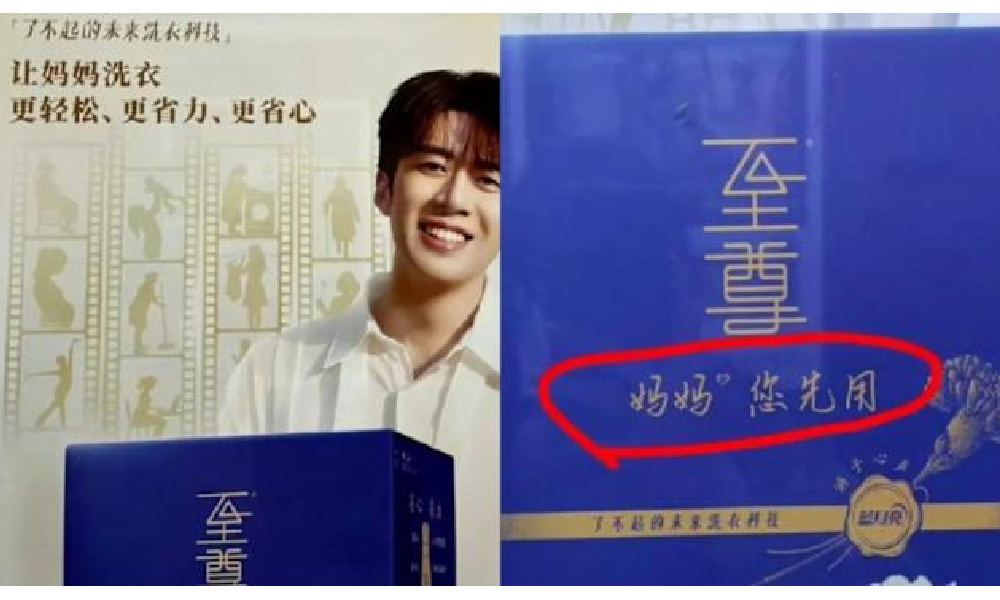
China’s household cleaning giant Blue Moon (蓝月亮) also found itself at the center of a marketing controversy after a 2024 Mother’s Day elevator ad campaign promoting its premium laundry detergent with the slogans “Let mom do the laundry more easily” (“让妈妈洗衣更轻松”) and “Mom, you use it first” (“妈妈您先用”).
Many users objected to the message, arguing that it portrayed doing laundry as something that naturally belongs to mothers and reinforced traditional gender stereotypes. As part of a Mother’s Day campaign, critics said the messaging was particularly inappropriate.
As in OPPO’s case, Blue Moon’s crisis management made matters worse. The company’s initial response suggested the controversy was merely a “misunderstanding” and said the campaign was intended to express gratitude to mothers. Many netizens disagreed, arguing that Mother’s Day and mothers doing the laundry had nothing to do with each other.
💥 #2 Fuyanjie: “Too Dark and Stinky”
Marketing campaign (2022): “83% of men are unwilling to go down on their partner because it’s too dark and stinky”
Main problem: Straightforwardly sexist
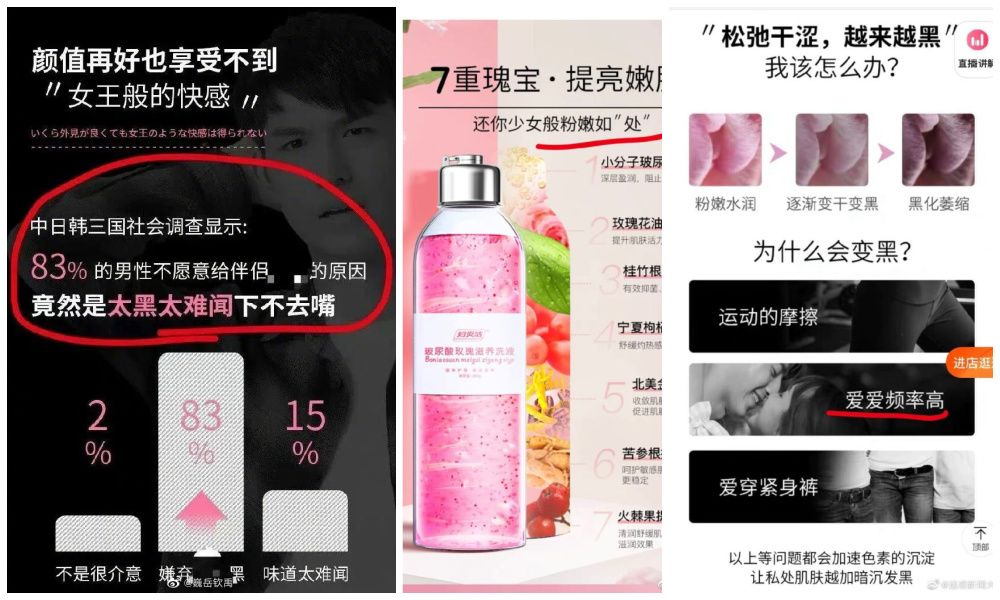
In 2022, the well-known Chinese feminine hygiene brand Fuyanjie (妇炎洁) promoted a pink-colored intimate wash by claiming that “surveys show that 83% of men from South Korea, Japan, and China are unwilling to go down on their partner because it’s too dark and stinky” (“中日韩三国社会调查显示:83%的男性不愿意给伴侣口爱的原因竟然是太黑太难闻下不去嘴”).
Besides promising to make the genital area pinker, the campaign also suggested that hyperpigmentation could be caused by wearing tight pants and having too much sex.
The brand drew widespread criticism for being vulgar, insulting to women, and completely unscientific. Some netizens suggested that the ad makers should focus on turning their own penises pink instead.
Fuyanjie apologized and took both the campaign and the product offline.
(Remarkably, this was the brand’s second major controversy. In 2016, one of its intimate wash products carried the slogan: “I can’t wash away your past, but I can wash your future clean” (“我不能洗掉你的过去,但我能洗干净你的未来”), a line widely criticized as slut-shaming.)
💥 #3 Coconut Palm: Big Boobs, Short Skirts, and a Marketing Strategy Built on Controversy
Marketing campaign (2022): Busty women in tight tops and shorts dancing on livestream
Main problem: Objectification of women & crossing official lines
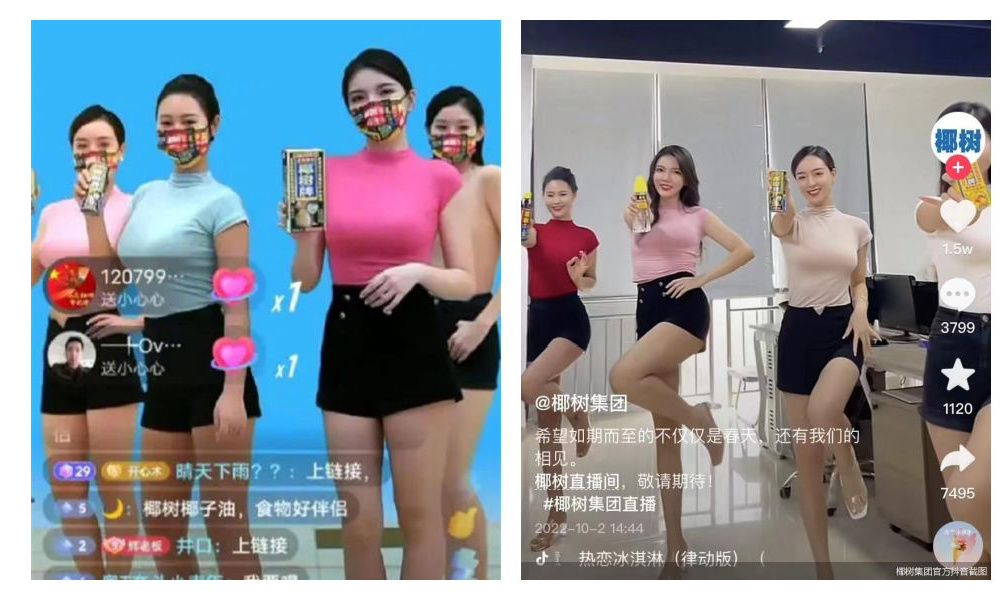
During China’s National Day holiday in the 2022 Covid & livestream year, Chinese coconut drink brand Coconut Palm (椰树椰汁) found itself at the center of controversy over a series of promotional streams on Douyin.
The company had already been fined twice by authorities for advertisements and packaging suggesting that drinking Coconut Palm could promote breast enlargement.
The 2022 livestreams featured several attractive, busty women in tight tops and short shorts dancing in front of the camera. The broadcasts drew even more attention when they were repeatedly interrupted and cut off by the platform.
There was little new about the campaign. Coconut Palm’s marketing has revolved around voluptuous women and sexually suggestive slogans for more than 25 years.
One of the company’s most famous slogans was “I’ve been drinking it since I was little” (“我从小喝到大”). While literally meaning “I’ve been drinking it since childhood,” the phrase can also be interpreted as “I grew big [breasts] by drinking it.”
The livestreams reignited debate on Chinese social media about the objectification of women in advertising and online culture. Coconut Palm is the only example on this list where controversy appears to be a core part of the brand’s marketing strategy. And while regulators have repeatedly taken issue with its approach, many consumers seem to appreciate the brand precisely for its refusal to change.
💥 #4 Ubras: “Underwear That Helps Women Win in the Workplace”
 
Marketing campaign (2021): Underwear so comfortable that it can “help women lie down and win in the workplace”
Main problem: Sexist and offensive

Popular talk show host and comedian Li Dan (李诞) sparked controversy on Chinese social media in 2021 over a promotional slogan for the Chinese women’s underwear brand Ubras. Their slogan (“让女性轻松躺赢职场”) can be loosely translated as “make it easy for women to win in the workplace lying down.”
The phrase was widely interpreted as suggesting that women could use their bodies or sexuality to gain an advantage at work. According to the brand, the intended message was simply that Ubras bras are so comfortable that women could “lie down and win.” The full slogan was: “一个让女性躺赢职场的装备” — “equipment that helps women lie down and win in the workplace.”
Many people felt it was inappropriate not only for a male celebrity to promote women’s underwear, but also for the campaign to draw a connection between lingerie and workplace success.
Ubras and Li Dan both apologized for the “inappropriate wording,” and all related promotional content was removed.
💥 #5 Intel: When a Brand Ambassador Becomes the Controversy
 
Marketing campaign (2021): “Intel’s standards are even higher than mine when choosing a partner”
Main problem: Caught in China’s gender wars

Tech company Intel sparked controversy in 2021 by appointing Chinese comedian Yang Li (杨笠) as a brand ambassador in China. Yang Li had become a polarizing figure because of her jokes about men, including her famous line: “Men are adorable, but mysterious. After all, they can look so average and yet be so full of confidence.”
In Intel’s campaign, Yang said: “Intel’s standards are so high — even higher than mine when choosing a partner.” (“英特尔的眼光太高了,比我挑对象的眼光都高。”)
The line itself was relatively harmless. What triggered the backlash was Yang’s public persona.
Some male netizens accused Yang of being sexist and argued that Intel, a company selling laptops and computer chips, should not be represented by a comedian known for mocking men — especially when men were seen as a key target audience.
Intel subsequently deleted the advertisement from its social media channels and ended its collaboration with Yang Li.
That decision, however, sparked a second wave of criticism. Many female netizens accused Intel of caving to online pressure and asked what had happened to the company’s commitment to diversity and inclusion. Others mocked Intel for changing its marketing strategy to appease China’s “ordinary yet confident” men.
💥 #6 Juewei Duck Neck: “Tender, Juicy — Want Some?”
 
Marketing campaign (2017): Sexually suggestive Singles’ Day poster
Main problem: Vulgar and objectifying
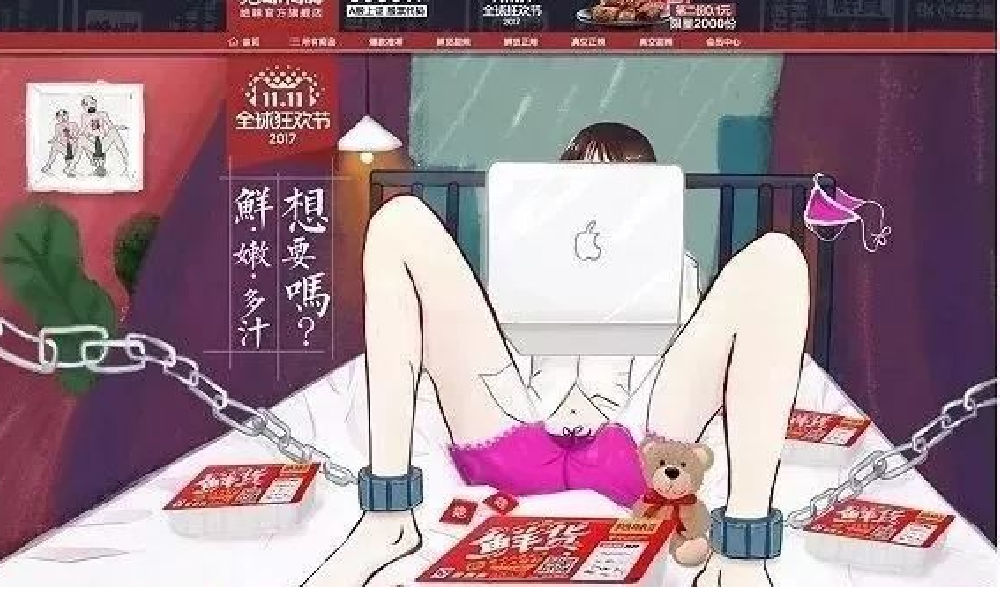
Ahead of the 2017 Singles’ Day shopping festival, Chinese snack chain Juewei Duck Neck (绝味鸭脖), one of China’s largest duck neck and marinated meat brands, published a promotional poster on its Tmall store showing a cartoon woman in short shorts lying on a bed with chains around her ankles and her legs spread apart, with one of the company’s products placed in front of her.
The slogan read: “Tender, juicy — want some?” (“鲜嫩多汁,想要吗”). The sexually suggestive image triggered immediate controversy and widespread criticism.
Juewei Duck Neck later issued a nationwide apology, and both the company and the advertising agency responsible for the campaign were fined 600,000 yuan (approximately US$88,000) each.
💥 #7 IKEA: “If You Don’t Bring Back a Boyfriend, Don’t Call Me Mom”
Marketing campaign (2017): Turning parental pressure to marry into a lifestyle ad Main problem: Reinforcing social pressure on unmarried women
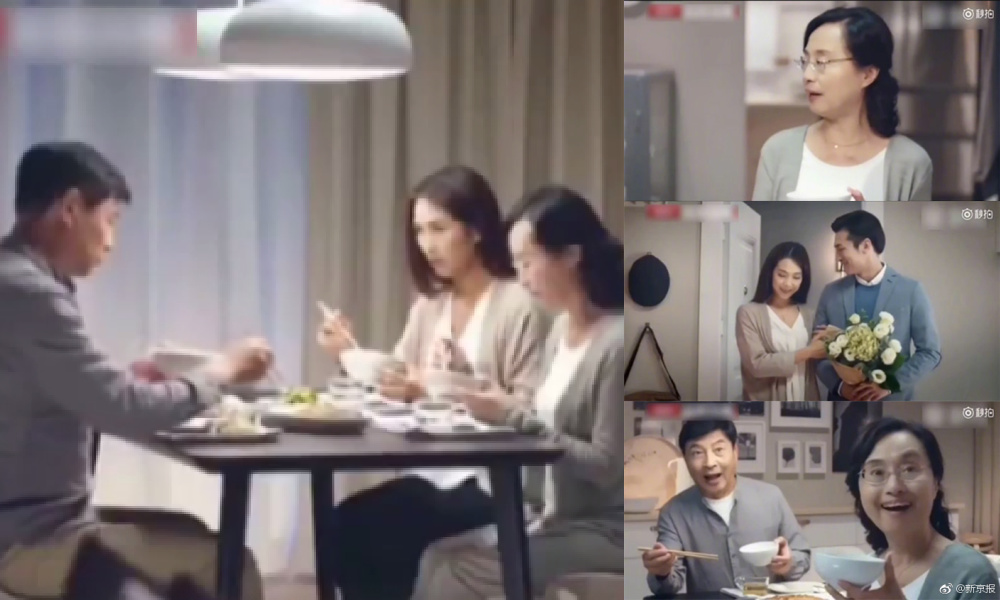
A 30-second IKEA commercial sparked controversy in China in 2017 for portraying parental pressure on an unmarried daughter to find a boyfriend.
In the ad, a mother tells her daughter at the dinner table: “If you don’t bring back a boyfriend next time, then don’t call me Mom.” (“再不带男朋友回来,就别叫我妈,”)
The doorbell then rings, and a young man holding flowers appears. The parents immediately brighten, make the living room more welcoming, and set out IKEA tableware for a celebratory meal. The tagline reads: “Celebrate everyday life easily” (“轻松庆祝每一天”).
The ad drew widespread criticism, especially because it aired at a time when many women in China were pushing back against intense social pressure to marry by a certain age. Critics argued that IKEA was trivializing this while reinforcing outdated expectations about marriage and filial duty.
IKEA apologized and removed the commercial.\
Eye on Digital China, by Manya Koetse, is co-published on Substack and What’s on Weibo. Both feature the same new content — so you can read and subscribe wherever you prefer. Substack offers community features, while What’s on Weibo provides full archive access.
China Brands, Marketing & Consumers
Hasan Piker’s China Trip & the Unexpected Journey of a Chinese School Uniform to Angola
Hasan Piker’s controversial China tour, a Chinese school uniform resurfaces in Africa, a new winter hotspot, why Chinese elites ‘run’ to Tokyo, and more.
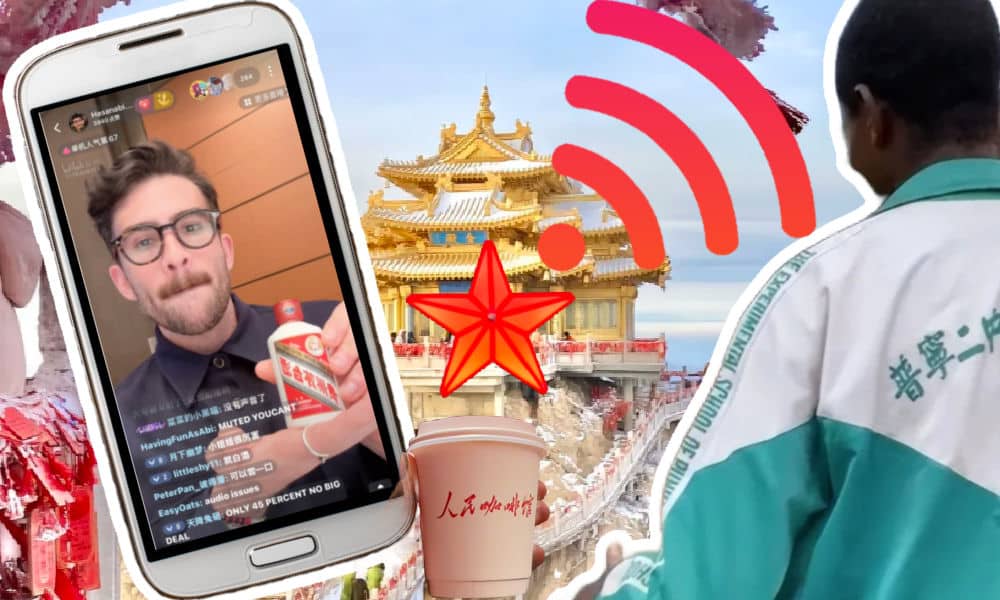
🌊 Signals — Week 47 (2025)
Part of Eye on Digital China, Signals highlights slower trends and online currents behind the daily scroll. This edition was sent to paid subscribers — subscribe to receive the next issue in your inbox.
For the coming two weeks, I’ll be traveling from Beijing to Chongqing and beyond (more on that soon) so please bear with me if my posting frequency dips a little. I’ll be sure to pick it up again soon and will do my best to keep you updated along the way. In the meantime, if you know of a must-try hotpot in Chongqing, please do let me know.
In this newsletter: Hasan Piker’s controversial China tour, a Chinese school uniform in Angola, a new winter hotspot, discussions on what happens to your Wechat after you die, why Chinese elites rùn to Tokyo, and more. Let’s dive in.
- 💰 The richest woman in China, according to the latest list by Hurun Research Institute, is the “queen of pharmaceuticals” Zhong Huijuan (钟慧娟) who has accumulated 141 billion yuan (over 19 billion USD). Women account for over 22% of Chinese billionaires (those with more than 5 billion RMB), underscoring China’s globally leading position in producing wealthy female entrepreneurs.
- 🧩 What happens to your WeChat after you die? A user who registered for NetEase Music with a newly reassigned phone number unexpectedly gained access to the late singer Coco Lee’s (李玟) account, as the number had originally belonged to her. The incident has reignited debate over how digital accounts should be handled after death, prompting platforms like NetEase and Tencent to reconsider policies on long-inactive accounts and take stronger measures to protect them.
- 📱 Although millions of viewers swoon over micro-dramas with fantasy storylines where rich, powerful men win over the “girl next door” through money and status, Chinese regulators are now stepping in to curb exaggerated plots featuring the so-called “dominant CEO” (霸道总裁) archetype, signaling stricter oversight for the booming short drama market.
- ☕ A popular Beijing coffee chain calling itself “People’s Cafe” (人民咖啡馆), with its style and logo evoking nationalist visual nostalgia, has changed its name after facing criticism for building its brand – including pricey coffee and merchandise – on Mao era and state-media political connotations. The cafe is now ‘Yachao People’s Cafe’ (要潮人民咖啡馆).
- 👀 Parents were recently shocked to see erotic ads appear on the Chinese nursery rhymes and children’s learning app BabyBus (宝宝巴士), which is meant for kids ages 0–8. BabyBus has since apologized, but the incident has sparked discussions about how to keep children safe from such content.
- 🧧The 2026 holiday schedule has continued to be a big topic of conversation as it includes a 9-day long Spring Festival break (from February 15 to February 23), making it the longest Lunar New Year holiday on record. The move not only gives people more time for family reunions, but also gives a huge boost to the domestic travel industry.
Hasan Piker’s Chinese Tour & The US–China Content Honeymoon
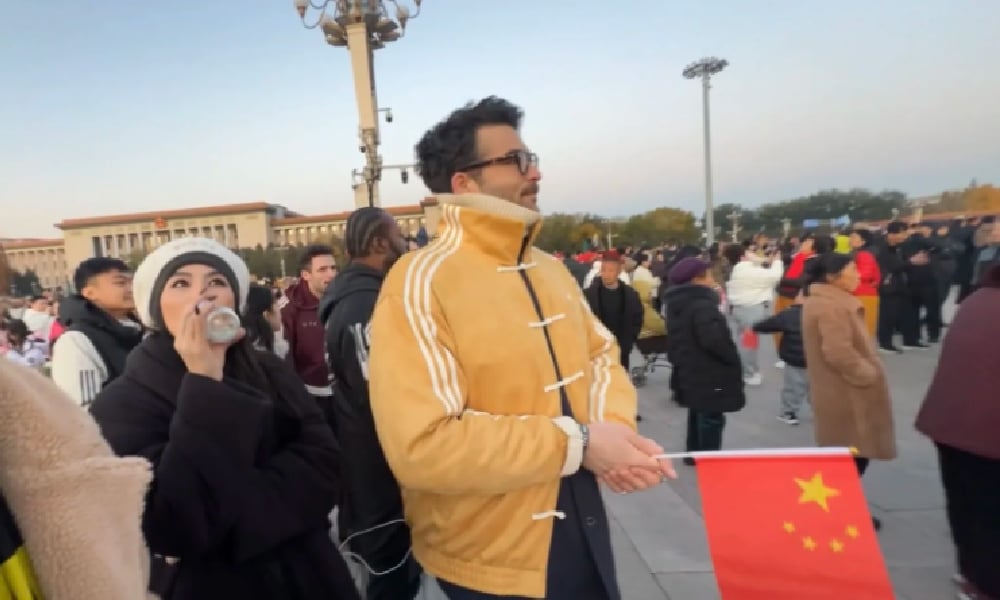
Livestreamer Hasan Piker during his visit to Tiananmen Square flag-rising ceremony.
It’s not time for the end-of-year overviews just yet – but I’ll already say that 2025 was the US–China ‘honeymoon’ year for content creation. It’s when China became “cool,” appealing, and eye-grabbing for young Western social media users, particularly Americans. The recent China trip of the prominent American online streamer Hasan Piker fits into that context.
This left-wing political commentator also known as ‘HasanAbi’ (3 million followers on Twitch, recently profiled by the New York Times) arrived in China for a two-week trip on November 11.
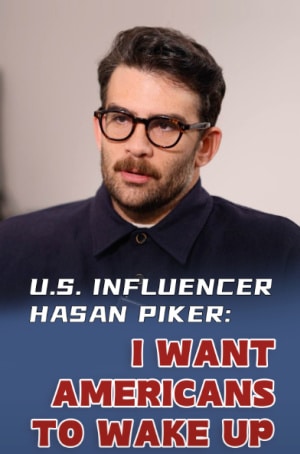
Piker screenshot from the interview with CGTN, published on CGTN.
His visit has been controversial on English-language social media, especially because Piker, known for his criticism of America (which he calls imperialist), has been overly praising China: calling himself “full Chinese,” waving the Chinese flag, joining state media outlet CGTN for an interview on China and the US, and gloating over a first-edition copy of Quotations from Chairman Mao (the Little Red Book). He portrays China as heavily misrepresented in the West and as a country the United States should learn from.
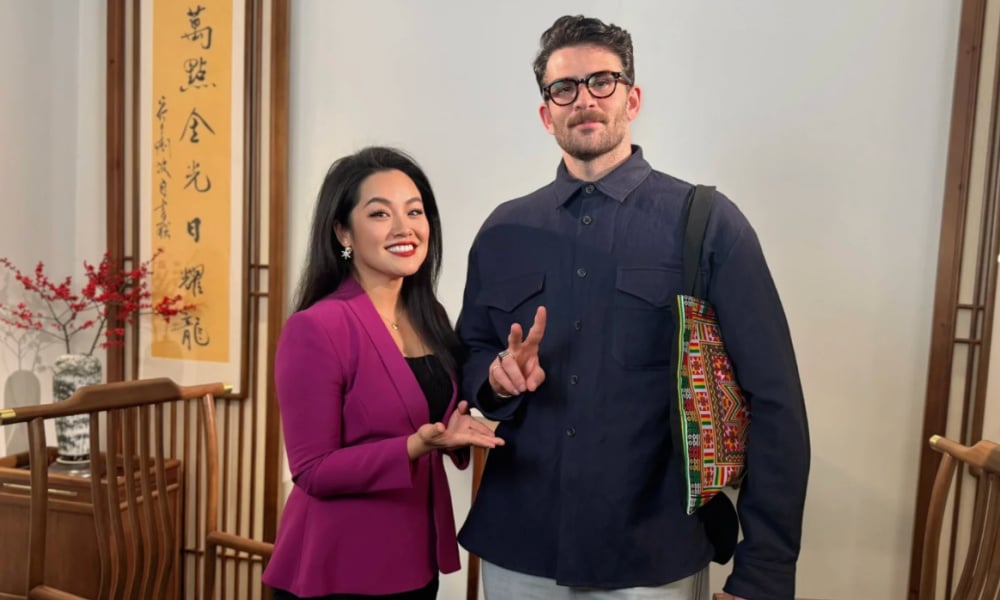
Hasan Piker did an interview with CGTN, posing with Li Jingjing 李菁菁.
During his livestreaming tour, Hasan, who is nicknamed “lemonbro” (柠檬哥) by Chinese netizens, also joined Chinese platforms Bilibili and Xiaohongshu.
But despite all the talk about Piker in the American online media sphere, online conversations, clicks, and views within China are underwhelming. As of now, he has around 24,000 followers on Bilibili, and he’s barely a topic of conversation on mainstream feeds.
Piker’s visit stands in stark contrast to that of American YouTuber IShowSpeed (Darren Watkins), who toured China in March. With lengthy livestreams from Beijing to Chongqing, his popularity exploded in China, where he came to be seen by many as a representative of cultural diplomacy.
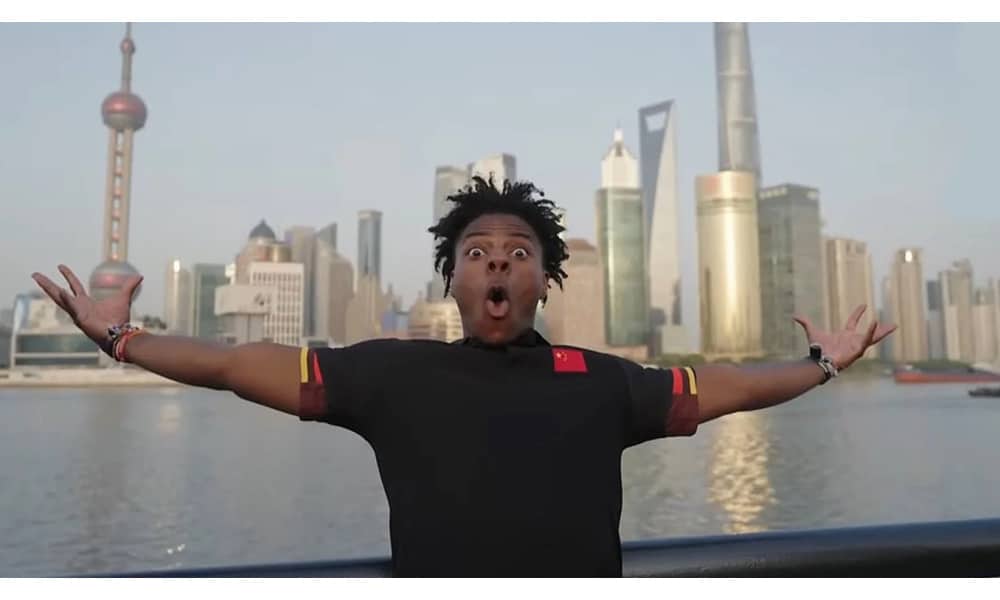
IShowspeed in China, March 2025.
IShowSpeed’s success followed another peak moment in online US–China cultural exchange. In January 2025, waves of foreign TikTok users and popular creators migrated to the Chinese lifestyle app Xiaohongshu amid the looming TikTok ban.
Initially, the mass migration of American users to Xiaohongshu was a symbolic protest against Trump and US policies. In a playful act of political defiance, they downloaded Xiaohongshu to show they weren’t scared of government warnings about Chinese data collection. (For clarity: while TikTok is a made-in-China app, it is not accessible inside mainland China, where Douyin is the domestic version run by the same parent company).
The influx of foreigners — who were quickly nicknamed “TikTok refugees” — soon turned into a moment of cultural celebration. As American creators introduced themselves, Chinese users welcomed them warmly, eager to practice English and teach newcomers how to navigate the app. Discussions about language, culture, and societal differences flourished. Before long, “TikTok refugees” and “Xiaohongshu natives” were collaborating on homework assignments, swapping recipes, and bonding through humor. It was a rare moment of social media doing what we hope it can do: connect people, build bridges, and replace prejudice with curiosity.
Some of that same enthusiasm was also visible during IShowSpeed’s China tour. Despite the tour inevitably getting entangled with political and commercial interests, much of it was simply about an American boy swept up in the high energy of China’s vibrant cities and everything they offer.
Different from IShowSpeed, who is known for his meme-worthy online presence, Piker is primarily known for his radical political views. His China enthusiasm feels driven less by cultural curiosity and more by his critique of America.
Because of his stances — such as describing the US as a police state — it’s easy for Western critics to accuse him of hypocrisy in praising China, especially after a brief run-in with security police while livestreaming at Tiananmen Square.
Seen in broader context, Piker’s China trip reflects a shift in how China is used in American online discourse.
Before, it was Chinese ‘public intellectuals’ (公知) who praised the US as a ‘lighthouse country’ (灯塔国), a beacon of democracy, to indirectly critique China and promote a Western modernization model. Later, Chinese online influencers showcased their lives abroad to emphasize how much ‘brighter the moon’ was outside China.
In the post-Covid years, the current reversed: Western content creators, from TikTok influencers to political commentators, increasingly use China to make arguments that are fundamentally about America.
Between these cycles, authentic cultural curiosity gets pushed to the sidelines. The TikTok-refugee moment in early January may have been the closest we’ve come in years: a brief window where Chinese and American users met each other with curiosity, camaraderie, and creativity.
Hasan’s tour, in contrast, reflects a newer phase, one where China is increasingly used as a stage for Western political identity rather than a complex and diverse country to understand on its own terms. I think the honeymoon phase is over.
“Liu Sihan, Your School Uniform Ended Up in Angola”: China’s Second-Hand Clothing in Africa
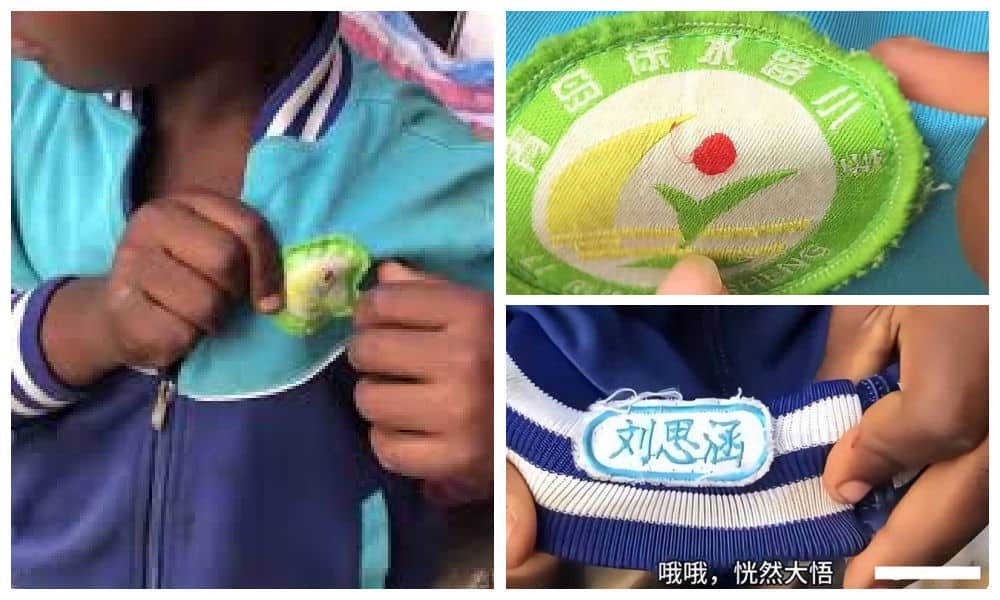
A Chinese school uniform went viral after a Chinese social media user spotted it in Angola.
“Liu Sihan, your schooluniform is hot in Africa” (刘思涵你的校服在非洲火了) is a sentence that unexpectedly trended after a Chinese blogger named Xiao Le (小乐) shared a video of a schoolkid in Angola wearing a Chinese second-hand uniform from Qingdao Xushuilu Primary School, that had the nametag Liu Sihan on it.
The topic sparked discussions about what actually happens to clothing after it’s donated, and many people were surprised to learn how widely Chinese discarded clothing circulates in parts of Africa.
Liu Sihan’s mother, whose daughter is now a 9th grader in Qingdao, had previously donated the uniform to a community clothing donation box (社区旧衣回收箱) after Liu outgrew it. She intended it to help someone in need, never imagining it to travel all the way to Africa.
In light of this story, one netizen shared a video showing a local African market selling all kinds of Chinese school items, including backpacks, and people wearing clothing once belonging to workers for Chinese delivery platforms. “In Africa, you can see school uniforms from all parts of China, and even Meituan and Eleme outfits,” one blogger wrote.
When it comes to second-hand clothing trade, we know much more about Europe–Africa and US–Africa flows than about Chinese exports, and it seems there haven’t been many studies on this specific topic yet. Still, alongside China’s rapid economic transformations, the rise of fast fashion, and the fact that China is the world’s largest producer and consumer of textiles, the country now has an enormous abundance of second-hand clothing.
According to a 2023 study by Wu et al. (link), China still has a long way to go in sustainable clothing disposal. Around 40% of Chinese consumers either keep unwanted clothes at home or throw them away.
But there may be a shift underway. Donation options are expanding quickly, from government bins to brand programs, and from second-hand stores to online platforms that offer at-home pickup.
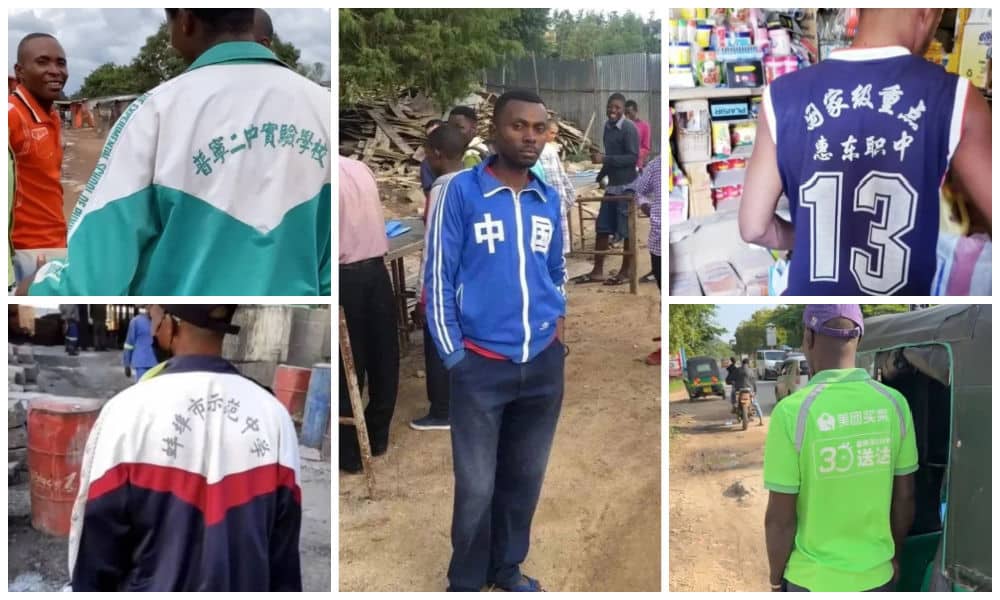
Chinese social media users posting images of school/work uniforms from China worn by Africans.
As awareness grows around the benefits of donating clothing (reducing waste, supporting sustainability, and the emotional satisfaction of giving), donation rates may rise significantly. The story of Liu Sihan’s uniform, which many found amusing, might even encourage more people to donate. And if that happens, scenes of African children (and adults) wearing Chinese-donated clothes may become much more common than they now are.
Laojunshan: New Hotspot in Cold Winter

Images from Xiaohongshu, 背包里的星子, 旅行定制师小漾
Go to Zibo for BBQ, go to Tianshui for malatang, go to Harbin for the Ice Festival, cycle to Kaifeng for soup dumplings, or head to Dunhuang to ride a camel — over recent years, a number of Chinese domestic destinations have turned into viral hotspots, boosted by online marketing initiatives and Xiaohongshu influencers.
This year, Laojunshan is among the places climbing the trending lists as a must-visit spot for its spectacular snow-covered landscapes that remind many of classical Chinese paintings. Laojunshan (老君山), a scenic mountain in Henan Province, is attracting more domestic tourists for winter excursions.
Xiaohongshu is filled with travel tips: how to get there from Luoyang station (by bus), and the best times of day to catch the snow in perfect light (7–9 AM or around 6–6:30 PM).
With Laojunshan, we see a familiar pattern: local tourism bureaus, state media, and influencers collectively driving new waves of visitors to the area, bringing crucial revenue to local industries during what would otherwise be slower winter months.
WeChat New Features & Hong Kong Police on Douyin
🟦 WeChat has been gradually rolling out a new feature that allows users to recall a batch of messages all at once, which saves you the frantic effort of deleting each message individually after realizing you sent them to the wrong group (or just regret a late-night rant). Many users are welcoming the update, along with another feature that lets you delete a contact without wiping the entire chat history. This is useful for anyone who wants to preserve evidence of what happened before cutting ties.
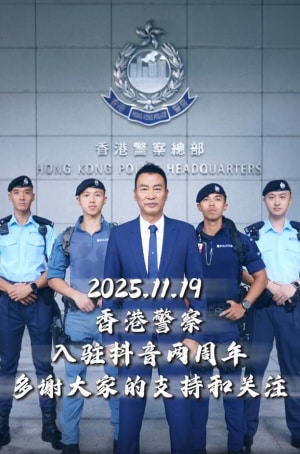
🟦The Hong Kong Police Force recently celebrated its two-year anniversary on Douyin (the Chinese version of TikTok), having accumulated nearly 5 million followers during that time. To mark the occasion, they invited actor Simon Yam to record a commemorative video for their channel (@香港警察). The presence of the Hong Kong Police on the Chinese app — and the approachable, meme-friendly way they’ve chosen to engage with younger mainland audiences — is yet another signal of Hong Kong institutions’ strategic alignment with mainland China’s digital infrastructure, a shift that has been gradually taking place. The anniversary video proved popular on Douyin, attracting thousands of likes and comments.
Why Chinese Elite Rùn to Japan (by ChinaTalk)
Over the past week, Japan has been trending every single day on Chinese social media in light of escalating bilateral tensions after Japanese PM Takaichi made remarks about Taiwan that China views as a direct military threat. The diplomatic freeze is triggering all kinds of trends, from rising anti-Japanese sentiment online and a ban on Japanese seafood imports to Chinese authorities warning citizens not to travel to Japan.
You’d think Chinese people would want to be anywhere but Japan right now — but the reality is far more nuanced.
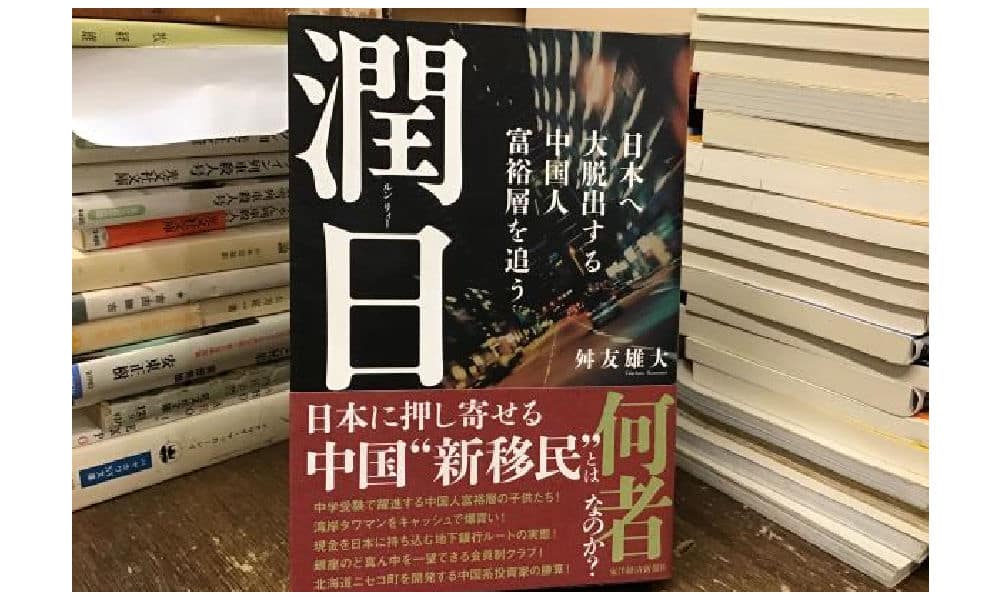
In a recent feature in ChinaTalk, Jordan Schneider interviewed Japanese journalist & researcher Takehiro Masutomo (舛友雄大) who has just published a book about Japan’s new Chinese diaspora, explaining what draws Chinese dissidents, intellectuals, billionaires, and middle-class families to Tokyo.
The book is titled Run Ri: 潤日 Following the Footsteps of Elite Chinese Escaping to Japan (only available in Japanese and Traditional Chinese for now). (The word Rùn 润/潤, by the way, is Chinese online slang and meme expresses the desire to escape the country.)
A very interesting read on how Chinese communities are settling in Japan, a place they see as freer than Hong Kong and safer than the U.S., and one they’re surprisingly optimistic about — even more so than the Japanese themselves.
Thanks for reading this Eye on Digital China Signals. For fast-moving trends and deeper dives, keep an eye on the upcoming newsletters.
And if you just so happen to be reading this without a subscription and appreciate my work, consider joining to receive future issues straight in your inbox.
A small housekeeping note:
This Eye on Digital China newsletter is co-published for subscribers on both Substack and the main site. If you’re registered on both platforms, you’ll receive duplicate emails — so if that bothers you, please pick your preferred platform and unsubscribe from the other.
Many thanks to Miranda Barnes for helping curate some of the topics in this edition.
— Manya
Spotted an error or want to add something? Comment below or email me.
First-time commenters require manual approval.
©2025 Eye on Digital China / What’s on Weibo. Do not reproduce without permission —
contact info@whatsonweibo.com.
Eye on Digital China is a reader-supported publication by
Manya Koetse (@manyapan) and powered by What’s on Weibo.
It offers independent analysis of China’s online culture, media, and social trends.
To receive the newsletter and support this work, consider
becoming a paid subscriber.


My Mum Has Two Husbands: The OPPO Mother’s Day Fiasco and 7 Other Gender Marketing Fails in China

The AI Actor Debate, Tragedy in China’s “Fireworks Capital,” and the Viral Labubu Fridge

Quick Eye: AI Drama Takedowns, Meta’s Blocked Deal, and “Lying Flat” Conspiracy

Beyond the “Ching Chong” Controversy: The “Pocket Asian” in The Devil Wears Prada 2

Su Chao Fever, Mo Yan’s “Scrollable” Book, and Why Li Xiaoran is China’s New Office Icon

Inside Chunwan 2026: China’s Spring Festival Gala

Inside the Great Chinese Debate Over the Iran War

Spring Festival Trend Watch: Gala Highlights, Small-City Travel, and the Mazu Ritual Controversy

Two Sessions, a Celebrity Meltdown, and the Rise of China’s “Forget It” Mindset

The Fake Patients of Xiangyang: Hospital Scandal Shakes Welfare System Trust
-

 Chapter Dive10 months ago
Hidden Cameras and Taboo Topics: The Many Layers of the “Nanjing Sister Hong” Scandal
-

 China Insight9 months ago
“Jiangyou Bullying Incident”: From Online Outrage to Offline Protest
-

 China Arts & Entertainment7 months ago
The Wong Kar-wai Scandal Explained: The Dark Side of ‘Blossoms Shanghai’
-
 Chapter Dive11 months ago
Inside the Labubu Craze and the Globalization of Chinese Designer Toys