
China's Real Influencers
Top 3 Most “Evil” Women in China’s History



FROM THE WEIBO WATCH PREMIUM NEWSLETTER
The death of Barbie Hsu (徐熙媛) has sent shockwaves across Chinese social media. Her unexpected passing, along with the circumstances surrounding it, quickly became the most talked-about topic on Chinese social media in early February.
Barbie Hsu (1976) is generally known as “Big S” (大S) in China. The Taiwanese actress, singer, and TV host is one of those people who just always seemed to be around. She wasn’t just frequently a trending topic on Chinese social media but was also a household name, together with her sister, in the world of China’s pop culture and entertainment.
Most people will know Hsu because of the famous 2001 Taiwanese series Meteor Garden (流星花园), in which she played the award-winning role of female protagonist Shan Cai (杉菜). That role also made her famous outside of China, as the series became popular in South Korea, Singapore, the Philippines, Malaysia, and beyond.
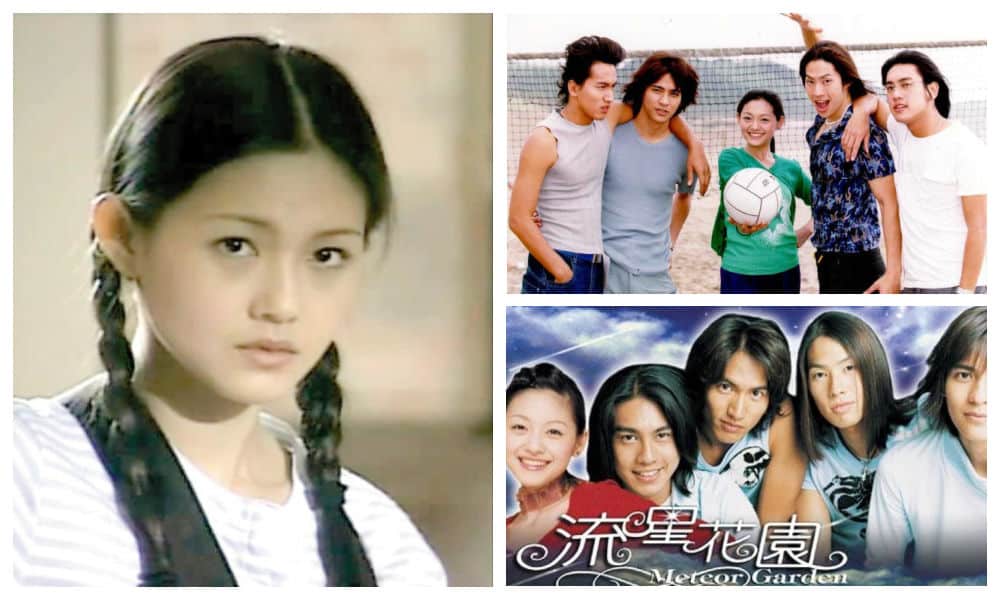
But her career had taken off years before that success. Together with her sister Dee Hsu (徐熙娣, “Little S” 小S), she formed the pop duo SOS (later “ASOS”) in the 1990s. The name stood for Sisters Of Shu (alternative spelling of Hsu), and was the source of their “Big S” and “Little S” nicknames.
She later made a switch to movies and was a TV host and a singer. While her sister Dee Shu gained recognition as the humorous host of the long-running talk show Kangxi Coming (康熙來了), Barbie Hsu also served as a stand-in host or guest on that show, as well as many others.
Besides her professional life, it was often Hsu’s private life that brought her to the top of Weibo’s trending charts. Her marriage to mainland Chinese businessman Wang Xiaofei (汪小菲)—with whom she had a daughter and a son in 2014 and 2016—frequently made headlines. The couple even participated in a reality show, and Hsu’s private life began to take on Kardashian-like proportions. The two were rumored to bicker over money issues after Wang opened S Hotel, a boutique hotel in Taipei designed by Philippe Starck and named after his wife.
Following their separation in 2021, much of the messy divorce drama between the two played out on Weibo and became the biggest celebrity topic of 2022. The ongoing drama started when Hsu accused her ex-husband of failing to pay alimony, with the accumulated amount allegedly exceeding NT$5 million (US$160,000). Wang Xiaofei then publicly and angrily responded to Hsu’s accusations with multiple emotional posts on his Weibo account, where he had over seven million followers. Everyone and everything got dragged into the drama, from Wang’s mother Zhang Lan (张兰) to Hsu’s new partner, South Korean musician DJ Koo Jun-Yup.
Hsu’s health and frail body also made headlines at times. In 2018, she was hospitalized after a epileptic fit brought on by a cold. Besides epilepsy, Hsu suffered from a chronic heart condition (mitral valve prolapse). In late January of this year, she traveled to Japan for the Chinese New Year and caught influenza during her trip. Her health deteriorated rapidly within just five days, and she passed away on February 2nd from influenza-induced pneumonia. She was only 48 years old.
The news of her death has had a massive impact on Chinese social media. On Weibo, the hashtag ‘Big S has Passed Away’ (#大S去世#) has garnered over 3.3 billion views within six days.
While the initial reaction was one of shock over her sudden passing, various other aspects of her life, legacy, and the circumstances surrounding her death have sparked broader discussions, turning it into a widely debated topic—one that many find particularly heartbreaking for various reasons.
➡️ As Barbie Hsu has been in the public eye for decades, many grew up watching her and following her for over 25 years. Even those who were not particularly fans of Hsu are now coming forward to express collective grief and nostalgia over her passing—like losing a piece of their younger self.
Similarly, the passing of the beloved pop star Coco Lee in 2023 also made people collectively reflect on a bygone era of Chinese pop culture that defined the youth of millions. Like Lee, Barbie Hsu was a big part of early 2000s Chinese pop culture. Some people admit that Hsu’s passing has left them crying for days.
Many netizens expressed grief not just for her death but also for the fading of a time when Taiwanese idol dramas and their own carefree youth were at their peak.
“I was in fifth grade when Meteor Garden aired, and I remember running home after school to watch it. I saved up 60 kuai ($8.6) to buy the DVD,” one Weibo user shared. “Such a lively and bold woman has suddenly disappeared, an entire generation’s youth and memories,” another person wrote.
➡️ The death of Barbie Hsu and the sudden, rapid progression of her illness—from influenza to fatal pneumonia—has raised awareness this week about the potential dangers of the flu. It has also triggered some public anxiety about the latest outbreak in Japan, which is experiencing its largest flu surge in 25 years, and how influenza is treated in the country.
Many are questioning why such a wealthy, well-known celebrity couldn’t receive effective treatment in Japan, a country generally perceived to have an advanced healthcare system. While it remains unclear how her condition deteriorated so quickly—especially since she allegedly appeared well and energetic at a January 25 banquet—it may not have helped that Hsu was in Hakone, an area without major hospitals like those in Kyoto or Tokyo. According to various media reports, Hsu sought medical assistance in the days leading up to her death but was not admitted to any hospital during that time.
In light of this incident, others also share their struggles with healthcare in Japan, claiming that costs and language barriers previously prevented them from receiving proper care while traveling there and falling ill.
➡️ Perhaps the strongest online response to Barbie Hsu’s death is related to gender dynamics, touching on topics such as feminism, misogyny, and patriarchy.
Many netizens argue that, despite always sacrificing herself for others, Hsu did not receive the love and care she deserved. The aftermath of her divorce from Wang Xiaofei left permanent scars on the superstar. Throughout her long career, Hsu consistently supported her family and became a family pillar and breadwinner. While navigating the harsh environment of the entertainment industry, she pushed herself and her body to the limits. Despite her efforts, she was always judged for her looks and body weight, and was later bullied and humiliated by her ex-husband.
A recurring sentiment among commenters, especially on Xiaohongshu, is that women, both in public and private life, are often overburdened while receiving little in return. Many pointed out that if someone as beautiful and successful as “Big S” could suffer under the burden of caregiving and the toxicity of the men around her, what hope is there for ordinary women?
At the same time, Hsu is also praised as an example of self-empowerment for all she accomplished, and as a reminder that taking good care of yourself is more important than seeking the validation of others.
➡️ On Weibo, the people expressing their grief over Hsu’s passing are also reflecting on the fragility of life. Notably, Hsu’s WeChat tag at the time of her death read, “Death is inevitable” (“死亡是必然的”).
In a past interview, she said: “Death is not scary. What’s scary is not being able to die. Aging is not scary. What’s scary is living forever.” (“死不可怕。可怕的是死不了。老不可怕。可怕的是长生不老。”)
By Manya Koetse
(follow on X, LinkedIn, or Instagram)
Spotted a mistake or want to add something? Please let us know in comments below or email us. First-time commenters, please be patient – we will have to manually approve your comment before it appears.
©2025 Whatsonweibo. All rights reserved. Do not reproduce our content without permission – you can contact us at info@whatsonweibo.com.
Follow What’s on Weibo on


China History
“Oppenheimer” in China: Highlighting the Story of Qian Xuesen
Qian Xuesen is a renowned Chinese scientist whose life shares remarkable parallels with Oppenheimer’s.

In late August, the highly anticipated U.S. movie Oppenheimer finally premiered in China, shedding light on the life of the famous American theoretical physicist J. Robert Oppenheimer (1904-1967).
Besides igniting discussions about the life of this prominent scientist, the film has also reignited domestic media and public interest in Chinese scientists connected to Oppenheimer and nuclear physics.
There is one Chinese scientist whose life shares remarkable parallels with Oppenheimer’s. This is aerospace engineer and cyberneticist Qian Xuesen (钱学森, 1911-2009). Like Oppenheimer, he pursued his postgraduate studies overseas, taught at Caltech, and played a pivotal role during World War II for the US.
Qian Xuesen is so widely recognized in China that whenever I introduce myself there, I often clarify my last name by saying, “it’s the same Qian as Qian Xuesen’s,” to ensure that people get my name.
Some Chinese blogs recently compared the academic paths and scholarly contributions of the two scientists, while others highlighted the similarities in their political challenges, including the revocation of their security clearances.
The era of McCarthyism in the United States cast a shadow over Qian’s career, and, similar to Oppenheimer, he was branded as a “communist suspect.” Eventually, these political pressures forced him to return to China.
Although Qian’s return to China made his later life different from Oppenheimer’s, both scientists lived their lives navigating the complex dynamics between science and politics. Here, we provide a brief overview of the life and accomplishments of Qian Xuesen.
Departing: Going to America
Qian Xuesen (钱学森, also written as Hsue-Shen Tsien), often referred to as the “father of China’s missile and space program,” was born in Shanghai in 1911,1 a pivotal year marked by a historic revolution that brought an end to the imperial dynasty and gave rise to the Republic of China.
Much like Oppenheimer, who pursued further studies at Cambridge after completing his undergraduate education, Qian embarked on a journey to the United States following his bachelor’s studies at National Chiao Tung University (now Shanghai Jiao Tong University). He spent a year at Tsinghua University in preparation for his departure.
The year was 1935, during the eighth year of the Chinese Civil War and the fourth year of Japan’s invasion of China, setting the backdrop for his academic pursuits in a turbulent era.
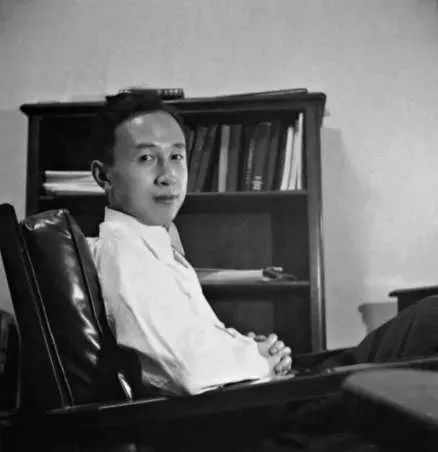
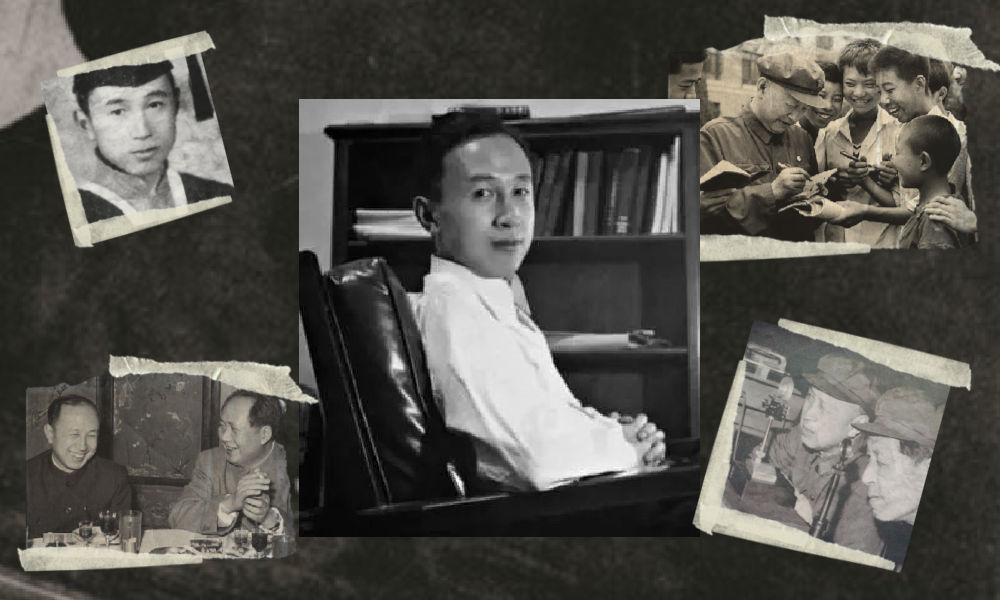
Qian in his office at Caltech (image source).
One year after arriving in the U.S., Qian earned his master’s degree in aeronautical engineering from the Massachusetts Institute of Technology (MIT). Three years later, in 1939, the 27-year-old Qian Xuesen completed his PhD at the California Institute of Technology (Caltech), the very institution where Oppenheimer had been welcomed in 1927. In 1943, Qian solidified his position in academia as an associate professor at Caltech. While at Caltech, Qian helped found NASA’s Jet Propulsion Laboratory.
When World War II began, while Oppenheimer was overseeing the Manhattan Project’s efforts to assist the U.S. in developing the atomic bomb, Qian actively supported the U.S. government. He served on the U.S. government’s Scientific Advisory Board and attained the rank of lieutenant colonel.
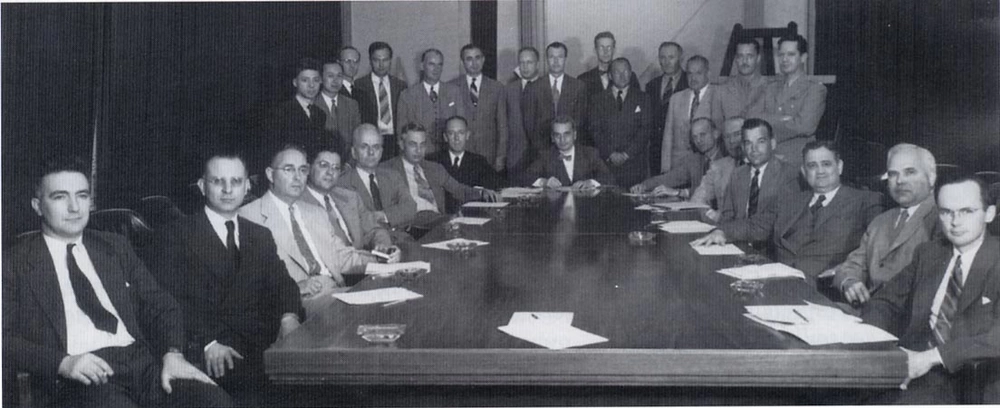
The first meeting of the US Department of the Air Force Scientific Advisory Board in 1946. The predecessor, the Scientific Advisory Group, was founded in 1944 to evaluate the aeronautical programs and facilities of the Axis powers of World War II. Qian can be seen standing in the back, the second on the left (image source).
After the war, Qian went to teach at MIT and returned to Caltech as a full-time professor in 1949. During that same year, Mao Zedong proclaimed the establishment of the People’s Republic of China (PRC). Just one year later, the newly-formed nation became involved in the Korean War, and China fought a bloody battle against the United States.
Red Scare: Being Labeled as a Communist
Robert Oppenheimer and Qian Xuesen both had an interest in Communism even prior to World War II, attending communist gatherings and showing sympathy towards the Communist cause.
Qian and Oppenheimer may have briefly met each other through their shared involvement in communist activities. During his time at Caltech, Qian secretly attended meetings with Frank Oppenheimer, the brother of J. Robert Oppenheimer (Monk 2013).
However, it was only after the war that their political leanings became a focal point for the FBI.
Just as the FBI accused Oppenheimer of being an agent of the Soviet Union, they quickly labeled Qian as a subversive communist, largely due to his Chinese heritage. While the government did not succeed in proving that Qian had communist ties with China during that period, they did ultimately succeed in portraying Qian as a communist affiliated with China a decade later.
During the transition from the 1940s to the 1950s, the Cold War was underway, and the anti-communist witch-hunts associated with the McCarthy era started to intensify (BBC 2020).
In 1950, the Korean War erupted, with the People’s Republic of China (PRC) joining North Korea in the conflict against South Korea, which received support from the United States. It was during this tumultuous period that the FBI officially accused Qian of communist sympathies in 1950, leading to the revocation of his security clearance despite objections from Qian’s colleagues. Four years later, in 1954, Robert Oppenheimer went through a similar process.
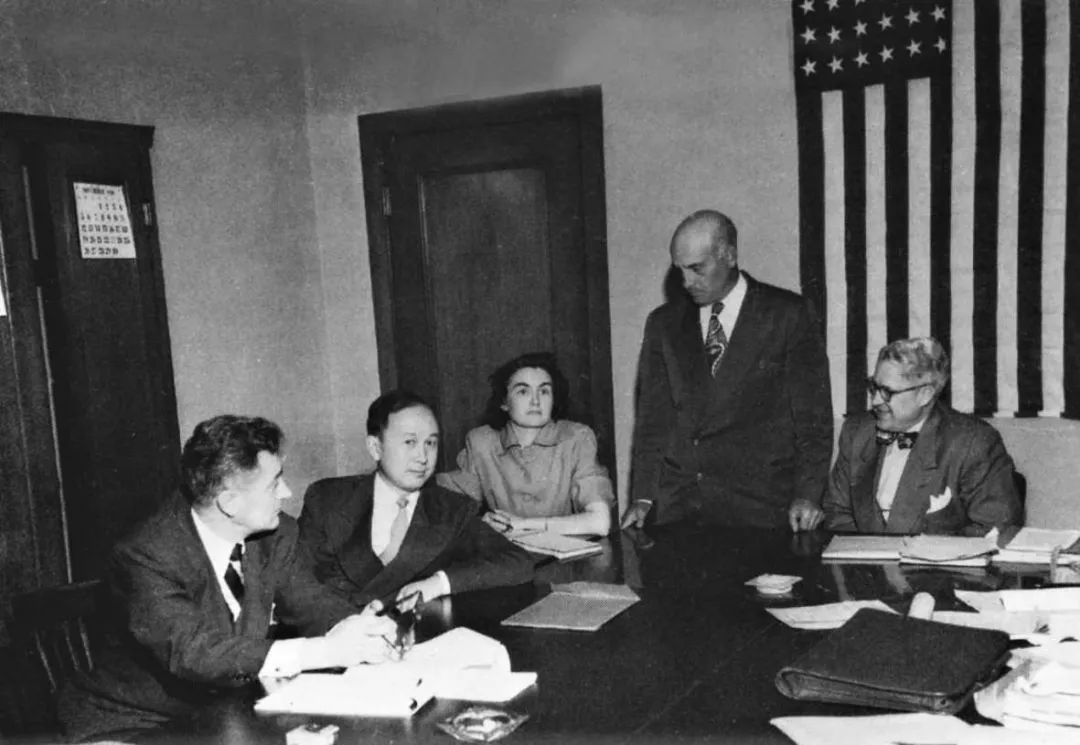
The 1950’s security hearing of Qian (second left). (Image source).
After losing his security clearance, Qian began to pack up, saying he wanted to visit his aging parents back home. Federal agents seized his luggage, which they claimed contained classified materials, and arrested him on suspicion of subversive activity. Although Qian denied any Communist leanings and rejected the accusation, he was detained by the government in California and spent the next five years under house arrest.
Five years later, in 1955, two years after the end of the Korean War, Qian was sent home to China as part of an apparent exchange for 11 American airmen who had been captured during the war. He told waiting reporters he “would never step foot in America again,” and he kept his promise (BBC 2020).
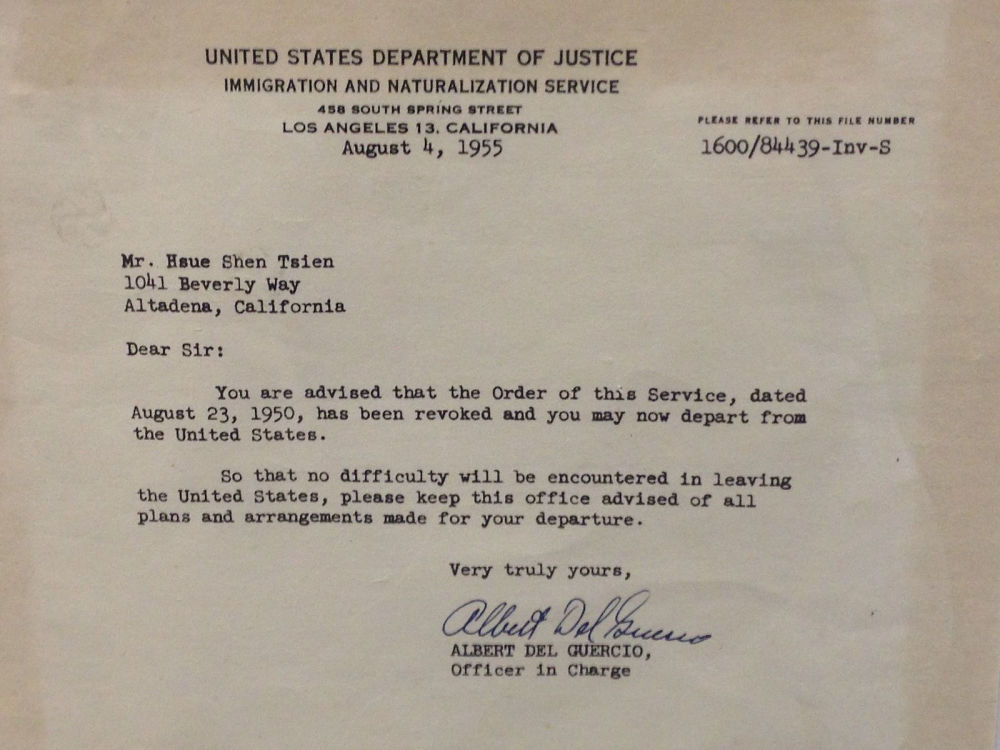
A letter from the US Immigration and Naturalization Service to Qian Xuesen, dated August 4, 1955, in which he was notified he was allowed to leave the US. The original copy is owned by Qian Xuesen Library of Shanghai Jiao Tong University, where the photo was taken. (Caption and image via wiki).
Dan Kimball, who was the Secretary of the US Navy at the time, expressed his regret about Qian’s departure, reportedly stating, “I’d rather shoot him dead than let him leave America. Wherever he goes, he equals five divisions.” He also stated: “It was the stupidest thing this country ever did. He was no more a communist than I was, and we forced him to go” (Perrett & Bradley, 2008).
Kimball may have foreseen the unfolding events accurately. After his return to China, Qian did indeed assume a pivotal role in enhancing China’s military capabilities, possibly surpassing the potency of five divisions. The missile programme that Qian helped develop in China resulted in weapons which were then fired back on America, including during the 1991 Gulf War (BBC 2020).
Returning: Becoming a National Hero
The China that Qian Xuesen had left behind was an entirely different China than the one he returned to. China, although having relatively few experts in the field, was embracing new possibilities and technologies related to rocketry and space exploration.
Within less than a month of his arrival, Qian was welcomed by the then Vice Prime Minister Chen Yi, and just four months later, he had the honor of meeting Chairman Mao himself.
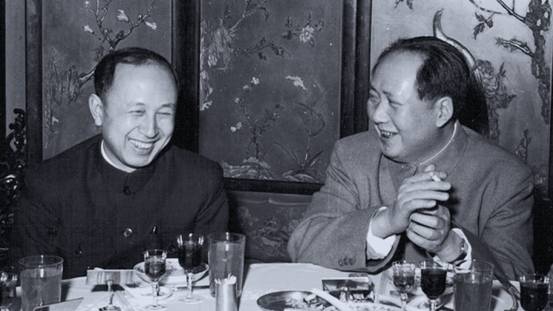
Qian and Mao (image source).
In China, Qian began a remarkably successful career in rocket science, with great support from the state. He not only assumed leadership but also earned the distinguished title of the “father” of the Chinese missile program, instrumental in equipping China with Dongfeng ballistic missiles, Silkworm anti-ship missiles, and Long March space rockets.
Additionally, his efforts laid the foundation for China’s contemporary surveillance system.
By now, Qian has become somewhat of a folk hero. His tale of returning to China despite being thwarted by the U.S. government has become like a legendary narrative in China: driven by unwavering patriotism, he willingly abandoned his overseas success, surmounted formidable challenges, and dedicated himself to his motherland.
Throughout his lifetime, Qian received numerous state medals in recognition of his work, establishing him as a nationally celebrated intellectual. From 1989 to 2001, the state-launched public movement “Learn from Qian Xuesen” was promoted throughout the country, and by 2001, when Qian turned 90, the national praise for him was on a similar level as that for Deng Xiaoping in the decade prior (Wang 2011).
Qian Xuesen remains a celebrated figure. On September 3rd of this year, a new “Qian Xuesen School” was established in Wenzhou, Zhejiang Province, becoming the sixth high school bearing the scientist’s name since the founding of the first one only a year ago.
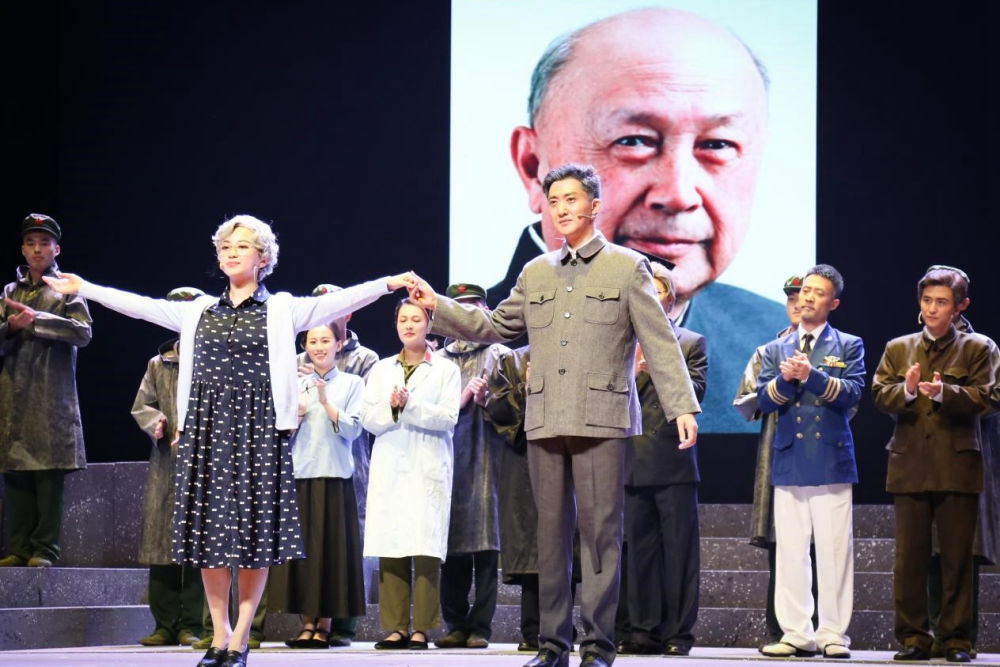
In 2017, the play “Qian Xuesen” was performed at Qian’s alma mater, Shanghai Jiaotong University. (Image source.)
Qian Xuesen’s legacy extends well beyond educational institutions. His name frequently appears in the media, including online articles, books, and other publications. There is the Qian Xuesen Library and a museum in Shanghai, containing over 70,000 artefacts related to him. Qian’s life story has also been the inspiration for a theater production and a 2012 movie titled Hsue-Shen Tsien (钱学森).2
Unanswered Questions
As is often the case when people are turned into heroes, some part of the stories are left behind while others are highlighted. This holds true for both Robert Oppenheimer and Qian Xuesen.
The Communist Party of China hailed Qian as a folk hero, aligning with their vision of a strong, patriotic nation. Many Chinese narratives avoid the debate over whether Qian’s return was linked to problems and accusations in the U.S., rather than genuine loyalty to his homeland.
In contrast, some international media have depicted Qian as a “political opportunist” who returned to China due to disillusionment with the U.S., also highlighting his criticism of “revisionist” colleagues during the Cultural Revolution and his denunciation of the 1989 student demonstrations.
Unlike the image of a resolute loyalist favored by the Chinese public, Qian’s political ideology was, in fact, not consistently aligned, and there were instances where he may have prioritized opportunity over loyalty at different stages of his life.
Qian also did not necessarily aspire to be a “flawless hero.” Upon returning to China, he declined all offers to have his biography written for him and refrained from sharing personal information with the media. Consequently, very little is known about his personal life, leaving many questions about the motivations driving him, and his true political inclinations.
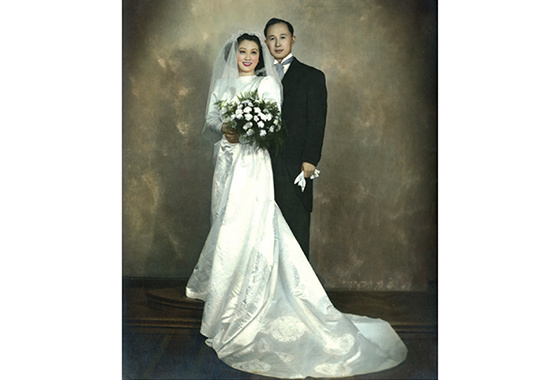
The marriage photo of Qian and Jiang. (Image source).
We do know that Qian’s wife, Jiang Ying (蒋英), had a remarkable background. She was of Chinese-Japanese mixed race and was the daughter of a prominent military strategist associated with Chiang Kai-shek. Jiang Ying was also an accomplished opera singer and later became a professor of music and opera at the Central Conservatory of Music in Beijing.
Just as with Qian, there remain numerous unanswered questions surrounding Oppenheimer, including the extent of his communist sympathies and whether these sympathies indirectly assisted the Soviet Union during the Cold War.
Perhaps both scientists never imagined they would face these questions when they first decided to study physics. After all, they were scientists, not the heroes that some narratives portray them to be.
Also read:
■ Farewell to a Self-Taught Master: Remembering China’s Colorful, Bold, and Iconic Artist Huang Yongyu
■ “His Name Was Mao Anying”: Renewed Remembrance of Mao Zedong’s Son on Chinese Social Media
By Zilan Qian
Follow @whatsonweibo
1 Some sources claim that Qian was born in Hangzhou, while others say he was born in Shanghai with ancestral roots in Hangzhou.
2The Chinese character 钱 is typically romanized as “Qian” in Pinyin. However, “Tsien” is a romanization in Wu Chinese, which corresponds to the dialect spoken in the region where Qian Xuesen and his family have ancestral roots.
This article has been edited for clarity by Manya Koetse
References (other sources hyperlinked in text)
BBC. 2020. “Qian Xuesen: The man the US deported – who then helped China into space.” BBC.com, 27 October https://www.bbc.com/news/stories-54695598 [9.16.23].
Monk, Ray. 2013. Robert Oppenheimer: A Life inside the Center, First American Edition. New York: Doubleday.
Perrett, Bradley, and James R. Asker. 2008. “Person of the Year: Qian Xuesen.” Aviation Week and Space Technology 168 (1): 57-61.
Wang, Ning. 2011. “The Making of an Intellectual Hero: Chinese Narratives of Qian Xuesen.” The China Quarterly, 206, 352-371. doi:10.1017/S0305741011000300
Get the story behind the hashtag. Subscribe to What’s on Weibo here to receive our newsletter and get access to our latest articles:
Spotted a mistake or want to add something? Please let us know in comments below or email us. First-time commenters, please be patient – we will have to manually approve your comment before it appears.
©2023 Whatsonweibo. All rights reserved. Do not reproduce our content without permission – you can contact us at info@whatsonweibo.com.
Eye on Digital China is a reader-supported publication by
Manya Koetse (@manyapan) and powered by What’s on Weibo.
It offers independent analysis of China’s online culture, media, and social trends.
To receive the newsletter and support this work, consider
becoming a paid subscriber.

Raising Lobsters, 6G Coming, and China’s DIY Deity Trend

Two Sessions, a Celebrity Meltdown, and the Rise of China’s “Forget It” Mindset

Inside the Great Chinese Debate Over the Iran War

Spring Festival Trend Watch: Gala Highlights, Small-City Travel, and the Mazu Ritual Controversy

Inside Chunwan 2026: China’s Spring Festival Gala
Inside Chunwan 2026: China’s Spring Festival Gala

Chinamaxxing and the “Kill Line”: Why Two Viral Trends Took Off in the US and China

From a Hospital in Crisis to Chaotic Pig Feasts

Trump, Taiwan & The Three-Body Problem: How Chinese Social Media Frames the US Strike on Venezuela

China’s 2025 Year in Review in 12 Phrases
-

 Chapter Dive8 months ago
Hidden Cameras and Taboo Topics: The Many Layers of the “Nanjing Sister Hong” Scandal
-
 China Insight8 months ago
“Jiangyou Bullying Incident”: From Online Outrage to Offline Protest
-
 Chapter Dive11 months ago
Understanding the Dr. Xiao Medical Scandal
-

 China Arts & Entertainment6 months ago
The Wong Kar-wai Scandal Explained: The Dark Side of ‘Blossoms Shanghai’