
China Environment
Beijing Red Alert for Smog (Update)






China Animals
China Faces Unprecedented Donkey Shortage Crisis
“We have plenty of cattle and horses in China now — just not enough donkeys” (“目前我国牛马都不缺,就缺驴”).
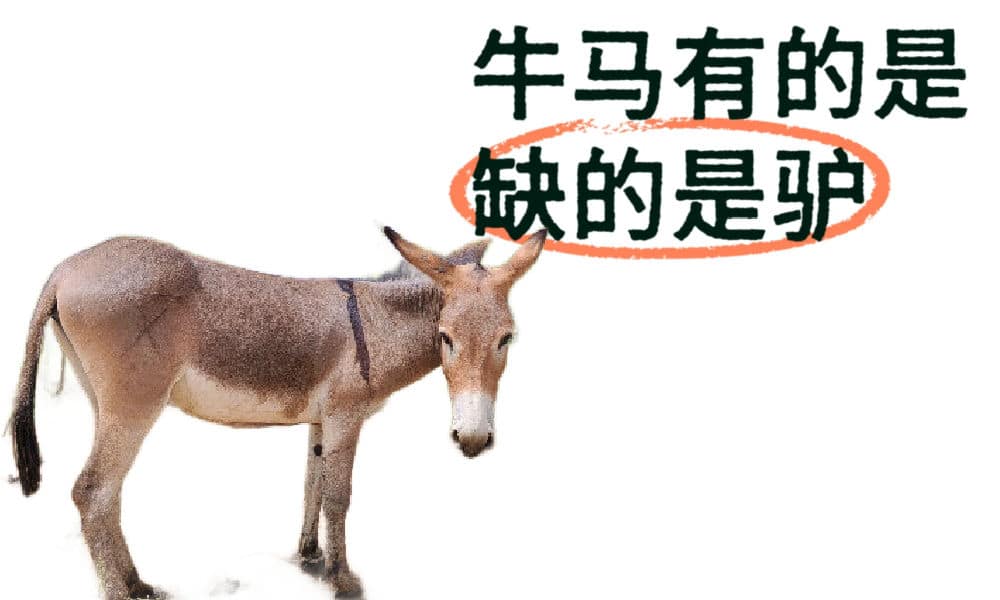
China is facing a serious donkey shortage. China’s donkey population is far below market demand, and the prices of donkey-related products continue to rise.
Recently, this issue went trending on Weibo under hashtags such as “China Currently Faces a Donkey Crisis” (#我国正面临缺驴危机#).
The Donkey Branch of China’s Livestock Association (中国畜牧业协会驴业分会) addressed this issue in Chinese media earlier last week, telling China News Weekly (中国新闻周刊): “We have plenty of cattle and horses in China now — just not enough donkeys” (“目前我国牛马都不缺,就缺驴”).
China’s donkey population has plummeted by nearly 90% over the past decades, from 11.2 million in 1990 to just 1.46 million in 2023.
The massive drop is related to the modernization of China’s agricultural industry, in which the traditional role of donkeys as farming helpers — “tractors” — has diminished. As agricultural machines took over, donkeys lost their role in Chinese villages and were “laid off.”
Donkeys also reproduce slowly, and breeding them is less profitable than pigs or sheep, partly due to their small body size.
Since 2008, Africa has surpassed Asia as the world’s largest donkey-producing region. Over the years, China has increasingly relied on imports to meet its demand for donkey products, with only about 20–30% of the donkey meat on the market coming from domestic sources.
China’s demand for donkeys mostly consists of meat and hides. As for the meat — donkey meat is both popular and culturally relevant in China, especially in northern provinces, where you’ll find many donkey meat dishes, from burgers to soups to donkey meat hotpot (驴肉火锅).
However, the main driver of donkey demand is the need for hides used to produce Ejiao (阿胶) — a traditional Chinese medicine made by stewing and concentrating donkey skin. Demand for Ejiao has surged in recent years, fueling a booming industry.
China’s dwindling donkey population has contributed to widespread overhunting and illegal killings across Africa. In response, the African Union imposed a 15-year ban on donkey skin exports in February 2023 to protect the continent’s remaining donkey population.
As a result of China’s ongoing “donkey crisis,” you’ll see increased prices for donkey hides and Ejiao products, and oh, those “donkey meat burgers” you order in China might actually be horse meat nowadays. Many vendors have switched — some secretly so (although that is officially illegal).
Efforts are underway to reverse the trend, including breeding incentives in Gansu and large-scale farms in Inner Mongolia and Xinjiang.
China is also cooperating with Pakistan, one of the world’s top donkey-producing nations, and will invest $37 million in donkey breeding.
However, experts say the shortage is unlikely to be resolved in the short term.
The quote that was featured by China News Weekly — “We have cows and horses, but no donkeys” (“牛马有的是,就缺驴”) — has sparked viral discussion online, not just because of the actual crisis but also due to some wordplay in Chinese, with “cows and horses” (“牛马”) often referring to hardworking, obedient workers, while “donkey” (“驴”) is used to describe more stubborn and less willing-to-comply individuals.
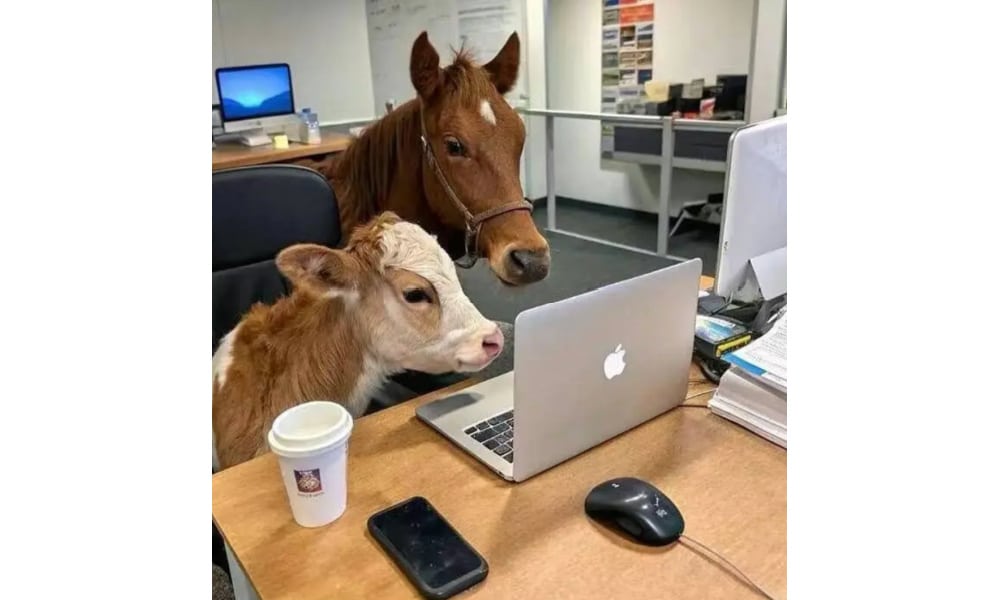
Not only is this quote making the shortage a metaphor for modern workplace dynamics in China, it also reflects on the state media editor who dared to feature this as the main header for the article. One Weibo user wrote: “It’s easy to be a cow or a horse. But being a donkey takes courage.”
By Manya Koetse
(follow on X, LinkedIn, or Instagram)
Spotted a mistake or want to add something? Please let us know in comments below or email us. First-time commenters, please be patient – we will have to manually approve your comment before it appears.
©2025 Whatsonweibo. All rights reserved. Do not reproduce our content without permission – you can contact us at info@whatsonweibo.com.
Chapter Dive
Behind the Mysterious Death of Chinese Internet Celebrity Cat Wukong
“Dont believe the media,” Zhao Shuo said: “And also don’t believe me.”
Eye on Digital China is a reader-supported publication by
Manya Koetse (@manyapan) and powered by What’s on Weibo.
It offers independent analysis of China’s online culture, media, and social trends.
To receive the newsletter and support this work, consider
becoming a paid subscriber.


Starbucks Goes Xinjiang & The Kardashians in China

Red Carpet, Pandas, and Power: How China Read the Trump-Xi Summit

Keeping Score of History: The Mukden Incident and China’s Basketball Defeat to Japan

The Rise of “Shuaqi-ism,” Taking Starbucks to the Fields, and Pretending to Go to Work

Why Japan Has So Many Surnames, China’s Back-to-School Shifts & Taiwan Pavilion Trouble

“God Won’t Save Us, but the PLA Will”: Floods, Faith, and Kung Fu Soccer Nostalgia

How Chinese AI Videos Turned Foreigners into Villains
Why Japan Has So Many Surnames, China’s Back-to-School Shifts & Taiwan Pavilion Trouble

The Power of Ugly: Why Niu Lai Became China’s Unlikeliest Box-Office Hit

AI Actress Ad Pulled, Baihaitun Disrupts Shanghai and Cicada Meme Bugs Huawei
-

 Chinese New Year8 months ago
Inside Chunwan 2026: China’s Spring Festival Gala
-

 China Brands, Marketing & Consumers11 months ago
Hasan Piker’s China Trip & the Unexpected Journey of a Chinese School Uniform to Angola
-

 Chapter Dive7 months ago
Inside the Great Chinese Debate Over the Iran War
-

 China Trend Watch11 months ago
Japan Tensions, Nexperia Fallout, Yunnan’s ‘Wild Child,’ & “Modern Opium”