China and Covid19
Chinese Students Are Making Their Voices Heard, from Nanjing to Xi’an
“Tonight is the night when students are flooding the internet,” some on Weibo said during a dark night filled with students’ bright lights.


The Communication University of China in Nanjing (南京传媒学院, abbr. CUCN) is trending on Weibo on Saturday night, with one hashtag receiving over 180 million views on Weibo before 23:00 local time.
Students at the university gathered on Saturday evening, chanting slogans such as “long live the people” and turning on the lights on their phone as a tribute to victims of the fire in Urumqi.
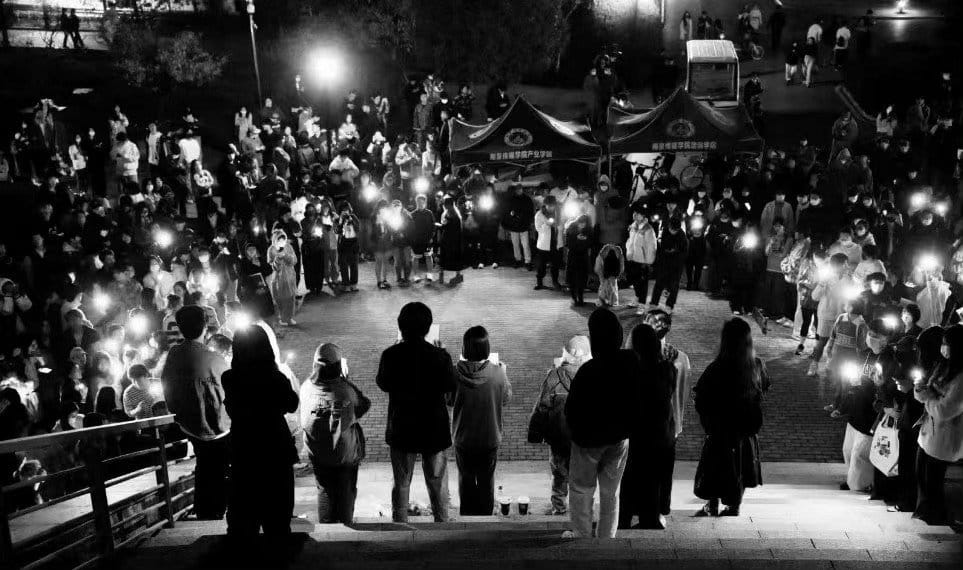
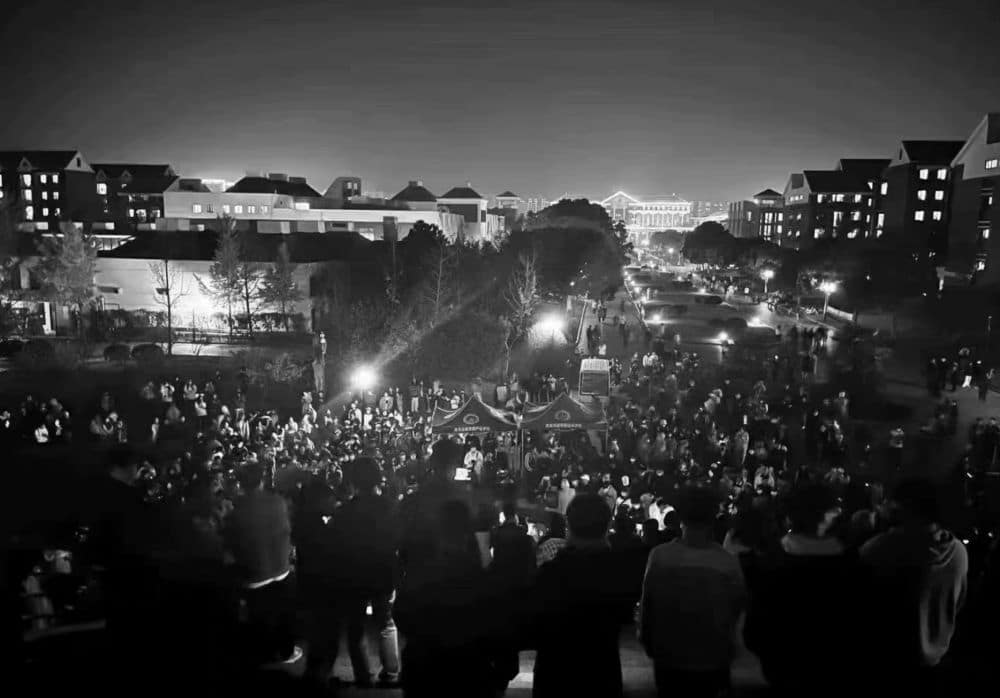
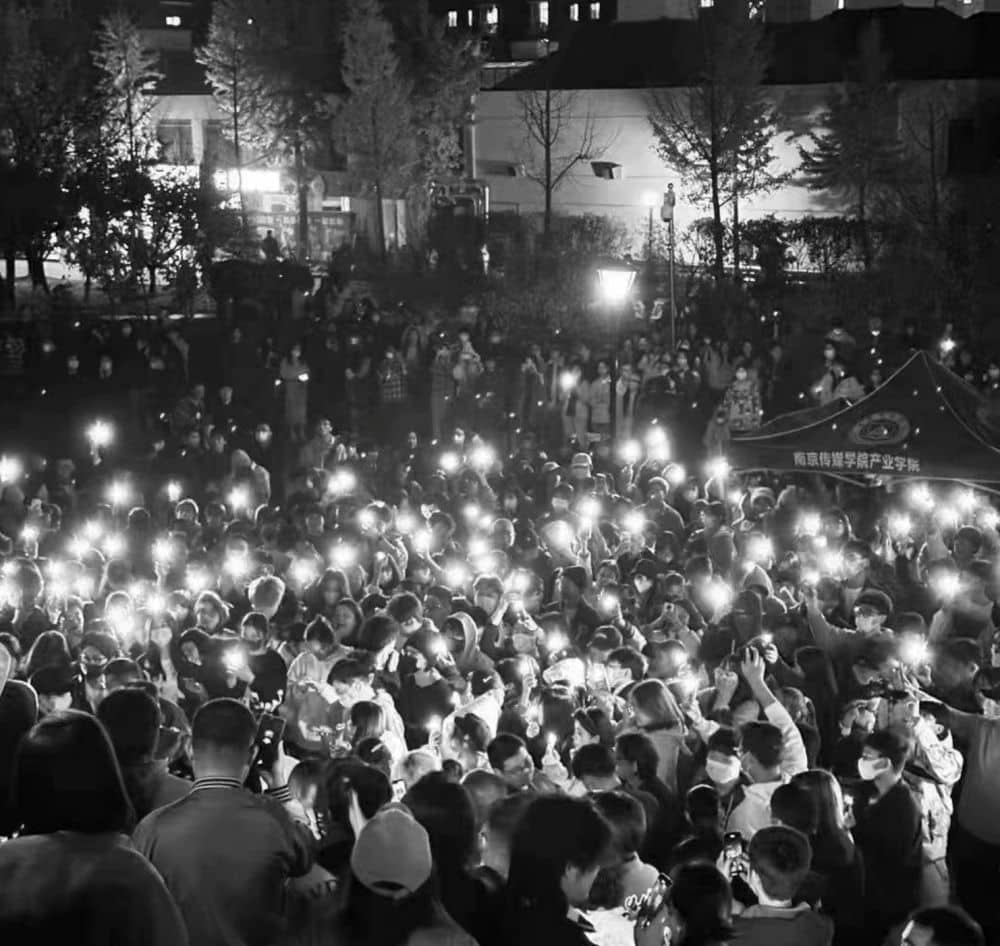
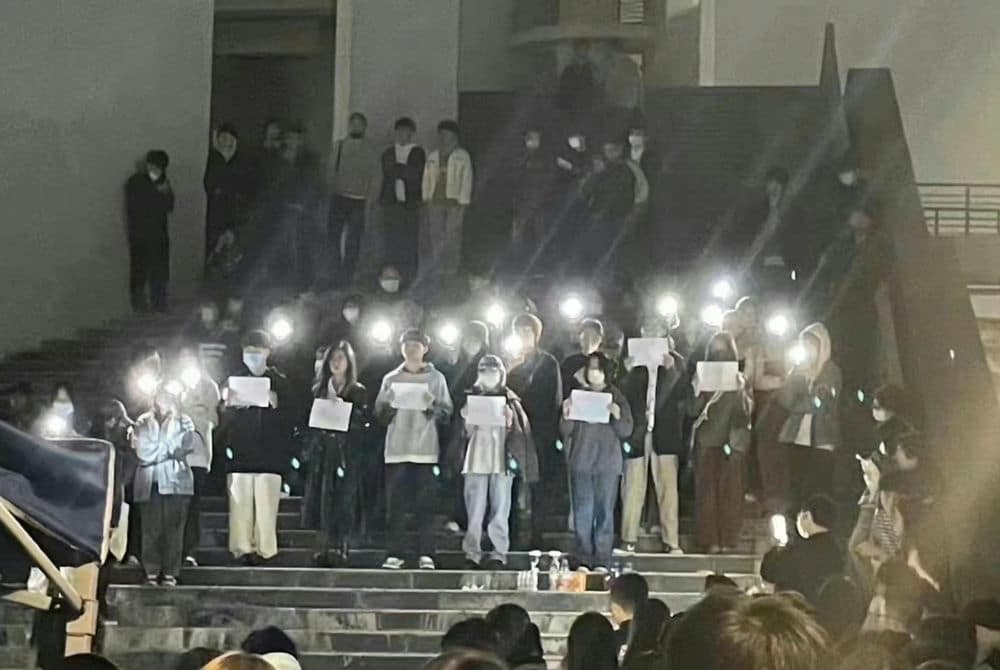
Over the past few days, there has been ongoing unrest in various parts of China. The fire that occurred in Urumqi on November 24 triggered waves of anger online (read here), and at the same time there have also been other incidents that further intensified the anger, which some also took to the street.
Another incident that attracted a lot of online attention this week happened in the Shunde District of Foshan, Guangdong, on November 24. Online, the incident was referred to as a “stampede,” but the hashtag “Foshan Stampede” (#佛山踩踏#) was soon taken offline. According to China Daily, the incident happened when a crowd of people gathered at a Covid testing place in the Xincheng community of Leliu subdistrict at about 8:30 am. The situation became chaotic when people fell down due to the slippery ground, but nobody reportedly was injured.
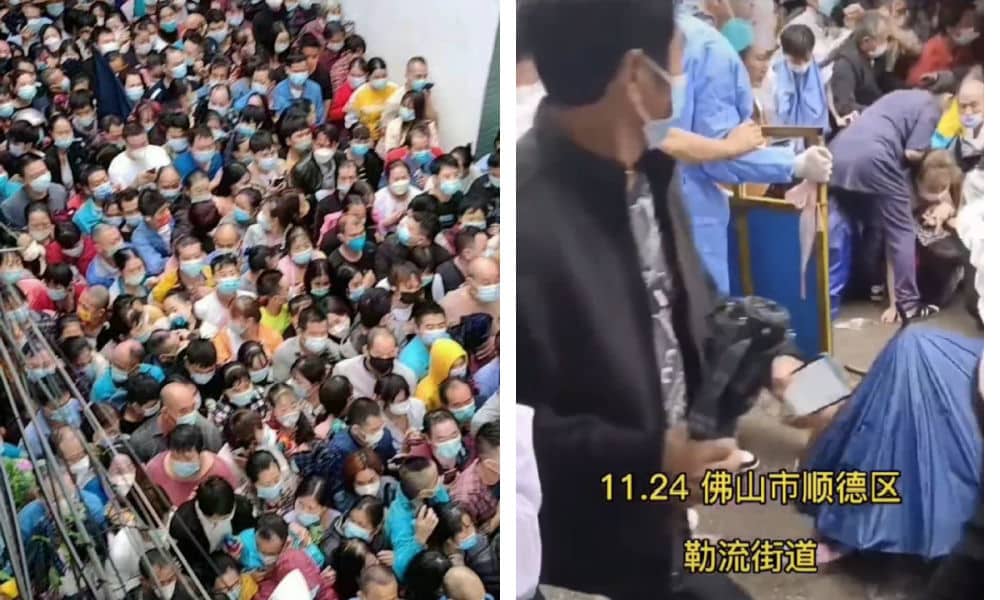
Nevertheless, the incident surely did not help to calm the growing tensions, especially this week when we also saw protests and unrest at Foxconn in Zhengzhou and the third consecutive daily record for new Covid cases in mainland China following by local (semi-) lockdowns across the country.
Meanwhile, on Saturday night, Weibo flooded with comments in support of the students who stood up to make their voices be heard.
“I’m not there with you, but I’m there with you,” one commenter wrote, with others posting: “Brave young people. This society is no longer giving them a way to live. History is repeating itself. If we don’t do this now, it’s our children who will have to struggle.”
“CUCN come on!” some cheered, while others wrote: “We’re proud of you.”
Some screenshots claiming to come from people at the scene said that it was the students’ intention to show solidarity with the people who passed away in the Urumqi fire and those in Xinjiang who were treated unfairly in light of the ongoing lockdowns the region saw since August of this year.
An anonymous poster warned people not to believe rumors regarding the protest being a conflict between the school leadership and the students: “The school is protecting its students, although some on the internet would like you to believe otherwise.”
Lights at the CUCN scene were allegedly turned off to prevent students from being identifiable on videos and photos.
As soon as the live commenting section on the CUCN protests was shut down by Weibo, another topic came up before midnight.
Students at the Xi’an Academy of Fine Arts (西安美术学院) were also taking their anger to the campus streets, where they allegedly demanded for freedom amid Covid lockdowns.
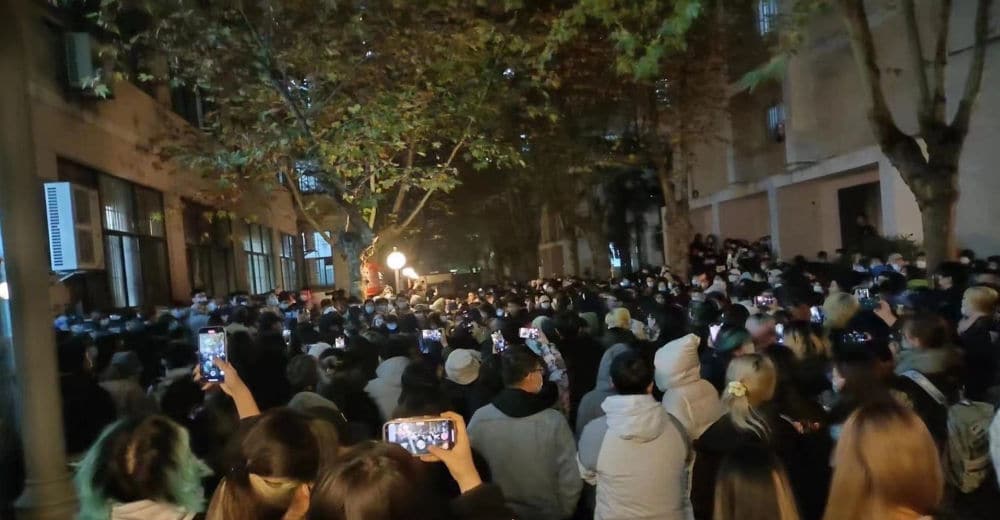
One commenter wrote: “Tonight is the night when students are flooding the internet, their fire [torch] will burn forever, what a magnificent night!”
“The students are very brave, they are the first to stand up. I hope the workers will stand up, and finally, all people will stand up.”
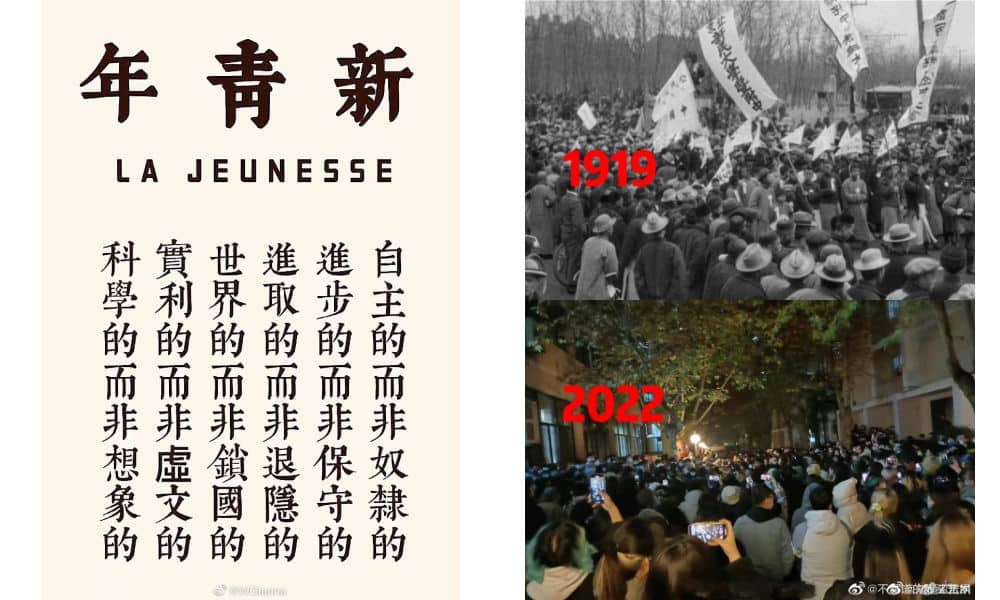
Many people on Chinese social media posted references to La Jeunesse (New Youth), a Chinese literary magazine that was founded in 1915 by Chen Duxiu and also influenced China’s May Fourth Movement (sometimes referred to as the Chinese Enlightenment), which was all about the Chinese youth being the catalyst for transformation.
“You are the heroes of the awakening,’ others wrote.
Read more about the “11.24” unrest in China here.
For more articles on the Covid situation in China, check here. If you appreciate what we do, please support us by subscribing for just a small annual fee.
By Manya Koetse , with contributions by Miranda Barnes
Get the story behind the hashtag. Subscribe to What’s on Weibo here to receive our newsletter and get access to our latest articles:
Spotted a mistake or want to add something? Please let us know in comments below or email us. First-time commenters, please be patient – we will have to manually approve your comment before it appears.
©2022 Whatsonweibo. All rights reserved. Do not reproduce our content without permission – you can contact us at info@whatsonweibo.com.


China and Covid19
Sick Kids, Worried Parents, Overcrowded Hospitals: China’s Peak Flu Season on the Way
“Besides Mycoplasma infections, cases include influenza, Covid-19, Norovirus, and Adenovirus. Heading straight to the hospital could mean entering a cesspool of viruses.”
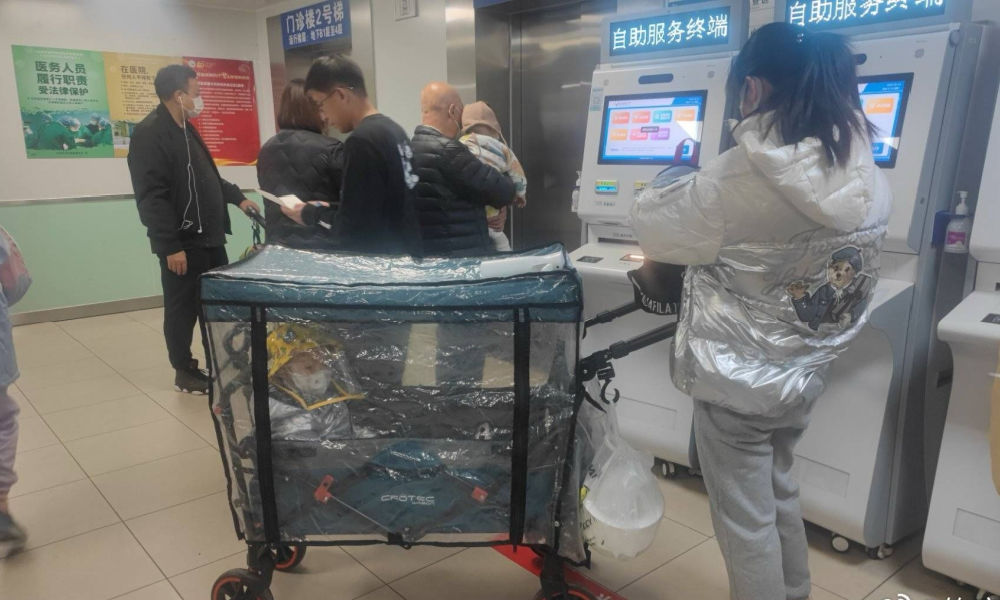
In the early morning of November 21, parents are already queuing up at Xi’an Children’s Hospital with their sons and daughters. It’s not even the line for a doctor’s appointment, but rather for the removal of IV needles.
The scene was captured in a recent video, only one among many videos and images that have been making their rounds on Chinese social media these days (#凌晨的儿童医院拔针也要排队#).
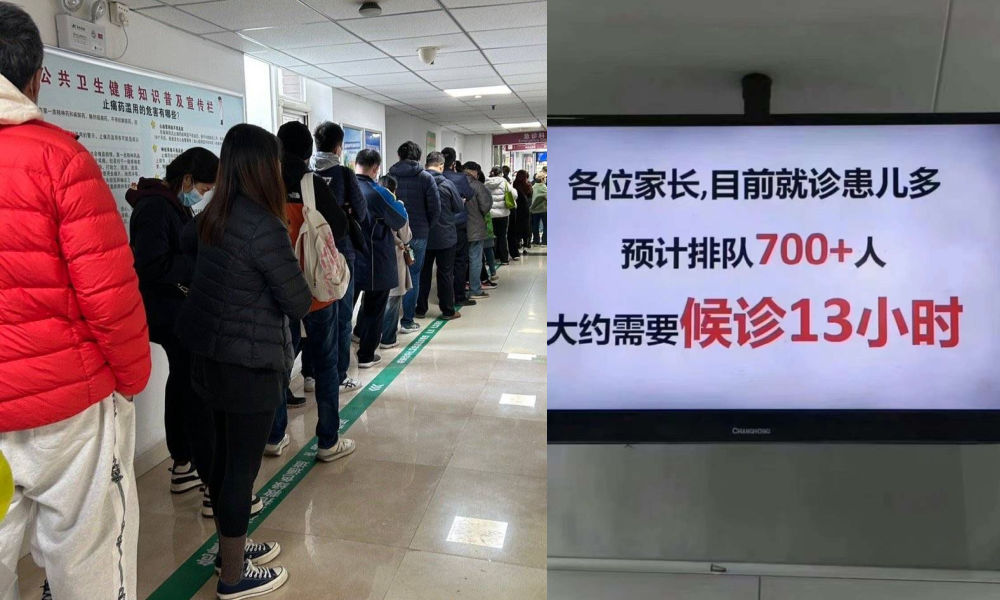
One photo shows a bulletin board at a local hospital warning parents that over 700 patients are waiting in line, estimating a waiting time of more than 13 hours to see a doctor.
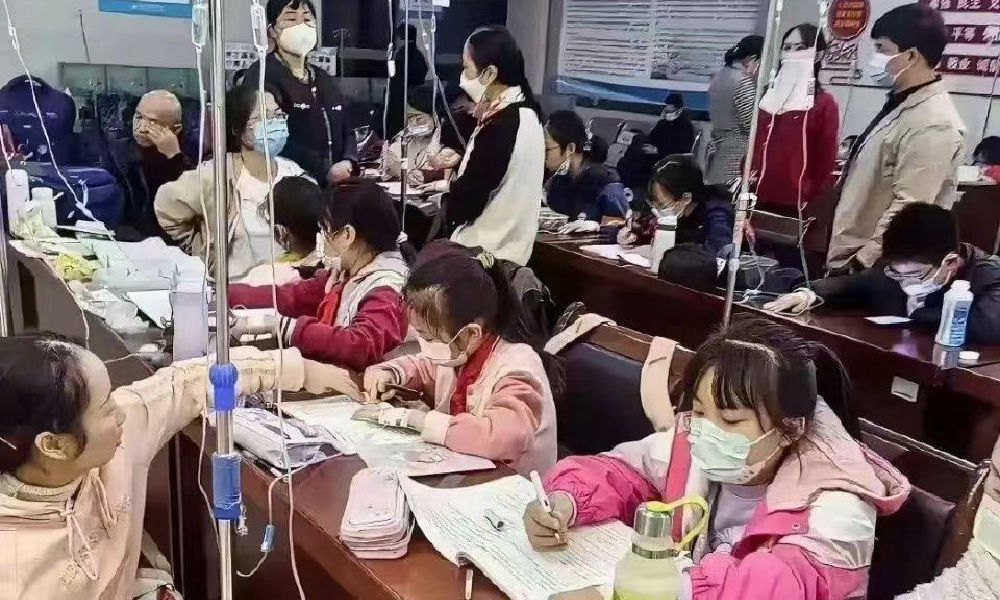
Another image shows children doing their homework while hooked up on an IV.
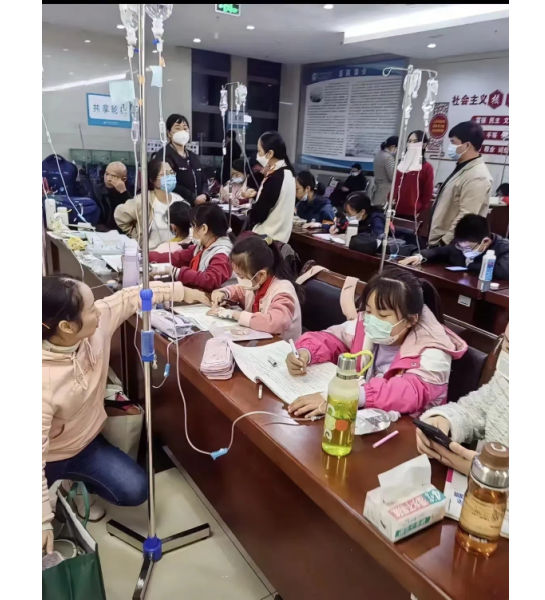
Recent discussions on Chinese social media platforms have highlighted a notable surge in flu cases. The ongoing flu season is particularly impacting children, with multiple viruses concurrently circulating and contributing to a high incidence of respiratory infections.
Among the prevalent respiratory infections affecting children are Mycoplasma pneumoniae infections, influenza, and Adenovirus infection.
The spike in flu cases has resulted in overcrowded children’s hospitals in Beijing and other Chinese cities. Parents sometimes have to wait in line for hours to get an appointment or pick up medication.
According to one reporter at Haibao News (海报新闻), there were so many patients at the Children’s Hospital of Capital Institute of Pediatrics (首都儿科研究所) on November 21st that the outpatient desk stopped accepting new patients by the afternoon. Meanwhile, 628 people were waiting in line to see a doctor at the emergency department.
Reflecting on the past few years, the current flu season marks China’s first ‘normal’ flu peak season since the outbreak of Covid-19 in late 2019 / early 2020 and the end of its stringent zero-Covid policies in December 2022. Compared to many other countries, wearing masks was also commonplace for much longer following the relaxation of Covid policies.
Hu Xijin, the well-known political commentator, noted on Weibo that this year’s flu season seems to be far worse than that of the years before. He also shared that his own granddaughter was suffering from a 40 degrees fever.
“We’re all running a fever in our home. But I didn’t dare to go to the hospital today, although I want my child to go to the hospital tomorrow. I heard waiting times are up to five hours now,” one Weibo user wrote.
“Half of the kids in my child’s class are sick now. The hospital is overflowing with people,” another person commented.
One mother described how her 7-year-old child had been running a fever for eight days already. Seeking medical attention on the first day, the initial diagnosis was a cold. As the fever persisted, daily visits to the hospital ensued, involving multiple hours for IV fluid administration.
While this account stems from a single Weibo post within a fever-advice community, it highlights a broader trend: many parents swiftly resort to hospital visits at the first signs of flu or fever. Several factors contribute to this, including a lack of General Practitioners in China, making hospitals the primary choice for medical consultations also in non-urgent cases.
There is also a strong belief in the efficacy of IV infusion therapy, whether fluid-based or containing medication, as the quickest path to recovery. Multiple factors contribute to the widespread and sometimes irrational use of IV infusions in China. Some clinics are profit-driven and see IV infusions as a way to make more money. Widespread expectations among Chinese patients that IV infusions will make them feel better also play a role, along with some physicians’ lacking knowledge of IV therapy or their uncertainty to distinguish bacterial from viral infections (read more here)
To prevent an overwhelming influx of patients to hospitals, Chinese state media, citing specialists, advise parents to seek medical attention at the hospital only for sick infants under three months old displaying clear signs of fever (with or without cough). For older children, it is recommended to consult a doctor if a high fever persists for 3 to 5 days or if there is a deterioration in respiratory symptoms. Children dealing with fever and (mild) respiratory symptoms can otherwise recover at home.
One Weibo blogger (@奶霸知道) warned parents that taking their child straight to the hospital on the first day of them getting sick could actually be a bad idea. They write:
“(..) pediatric departments are already packed with patients, and it’s not just Mycoplasma infections anymore. Cases include influenza, Covid-19, Norovirus, and Adenovirus. And then, of course, those with bad luck are cross-infected with multiple viruses at the same time, leading to endless cycles. Therefore, if your child experiences mild coughing or a slight fever, consider observing at home first. Heading straight to the hospital could mean entering a cesspool of viruses.”
The hashtag for “fever” saw over 350 million clicks on Weibo within one day on November 22.
Meanwhile, there are also other ongoing discussions on Weibo surrounding the current flu season. One topic revolves around whether children should continue doing their homework while receiving IV fluids in the hospital. Some hospitals have designated special desks and study areas for children.
Although some commenters commend the hospitals for being so considerate, others also remind the parents not to pressure their kids too much and to let them rest when they are not feeling well.
Opinions vary: although some on Chinese social media say it's very thoughtful for hospitals to set up areas where kids can study and read, others blame parents for pressuring their kids to do homework at the hospital instead of resting when not feeling well. pic.twitter.com/gnQD9tFW2c
— Manya Koetse (@manyapan) November 22, 2023
By Manya Koetse, with contributions from Miranda Barnes
Get the story behind the hashtag. Subscribe to What’s on Weibo here to receive our newsletter and get access to our latest articles:
Spotted a mistake or want to add something? Please let us know in comments below or email us. First-time commenters, please be patient – we will have to manually approve your comment before it appears.
©2023 Whatsonweibo. All rights reserved. Do not reproduce our content without permission – you can contact us at info@whatsonweibo.com.
China and Covid19
Repurposing China’s Abandoned Nucleic Acid Booths: 10 Innovative Transformations
Abandoned nucleic acid booths are getting a second life through these new initiatives.
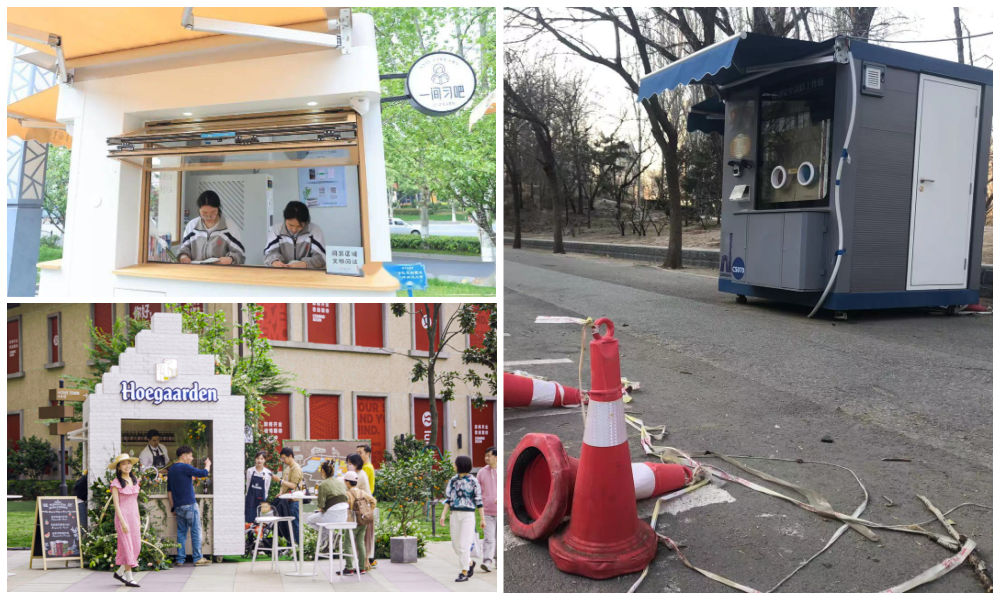
Just months ago, nucleic acid testing booths were the most lively spots of some Chinese cities. During the 2022 Shanghai summer, for example, there were massive queues in front of the city’s nucleic acid booths, as people needed a negative PCR test no older than 72 hours for accessing public transport, going to work, or visiting markets and malls.
The word ‘hésuān tíng‘ (核酸亭), nucleic acid booth (also:核酸采样小屋), became a part of China’s pandemic lexicon, just like hésuān dìtú (核酸地图), the nucleic acid test map lauched in May 2022 that would show where you can get a nucleic test.
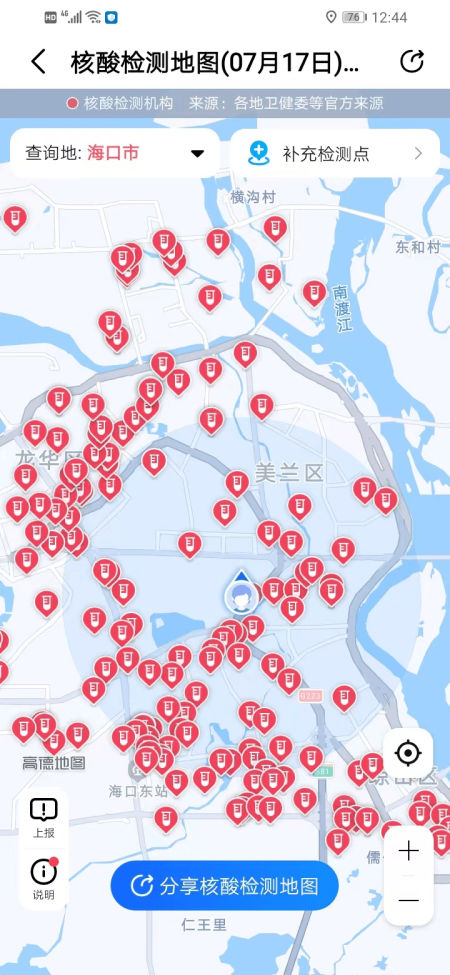
Example of nucleic acid test map.
During Halloween parties in Shanghai in 2022, some people even came dressed up as nucleic test booths – although local authorities could not appreciate the creative costume.
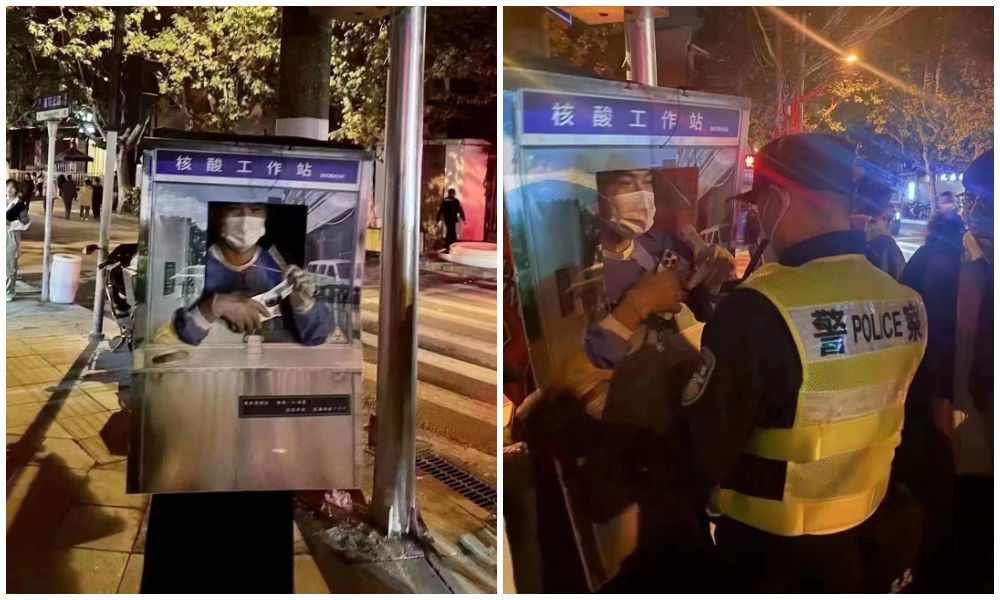
Halloween 2022: dressed up as nucliec acid booths. Via @manyapan twitter.
In December 2022, along with the announced changed rules in China’s ‘zero Covid’ approach, nucleic acid booths were suddenly left dismantled and empty.
With many cities spending millions to set up these booths in central locations, the question soon arose: what should they do with the abandoned booths?
This question also relates to who actually owns them, since the ownership is mixed. Some booths were purchased by authorities, others were bought by companies, and there are also local communities owning their own testing booths. Depending on the contracts and legal implications, not all booths are able to get a new function or be removed yet (Worker’s Daily).
In Tianjin, a total of 266 nucleic acid booths located in Jinghai District were listed for public acquisition earlier this month, and they were acquired for 4.78 million yuan (US$683.300) by a local food and beverage company which will transform the booths into convenience service points, selling snacks or providing other services.
Tianjin is not the only city where old nucleic acid testing booths are being repurposed. While some booths have been discarded, some companies and/or local governments – in cooperation with local communities – have demonstrated creativity by transforming the booths into new landmarks. Since the start of 2023, different cities and districts across China have already begun to repurpose testing booths. Here, we will explore ten different way in which China’s abandoned nucleic test booths get a second chance at a meaningful existence.
1: Pharmacy/Medical Booths
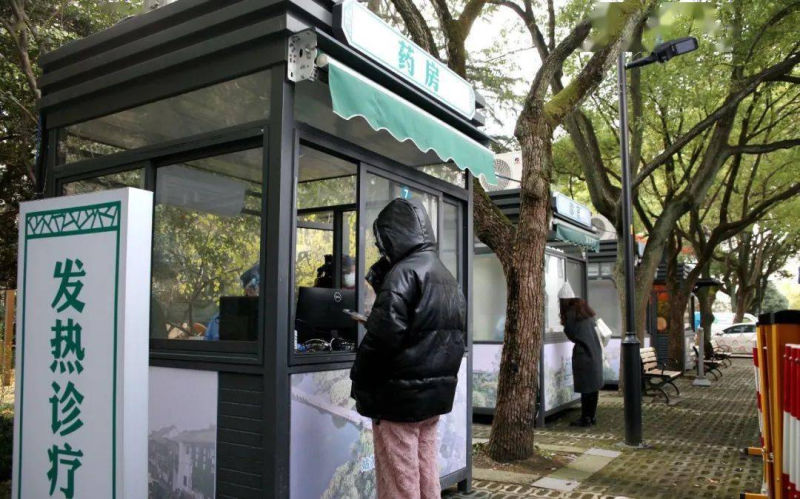
Via ‘copyquan’ republished on Sohu.
Blogger ‘copyquan’ recently explored various ways in which abandoned PCR testing points are being repurposed.
One way in which they are used is as small pharmacies or as medical service points for local residents (居民医疗点). Alleviating the strain on hospitals and pharmacies, this was one of the earliest ways in which the booths were repurposed back in December of 2022 and January of 2023.
Chongqing, Tianjin, and Suzhou were among earlier cities where some testing booths were transformed into convenient medical facilities.
2: Market Stalls
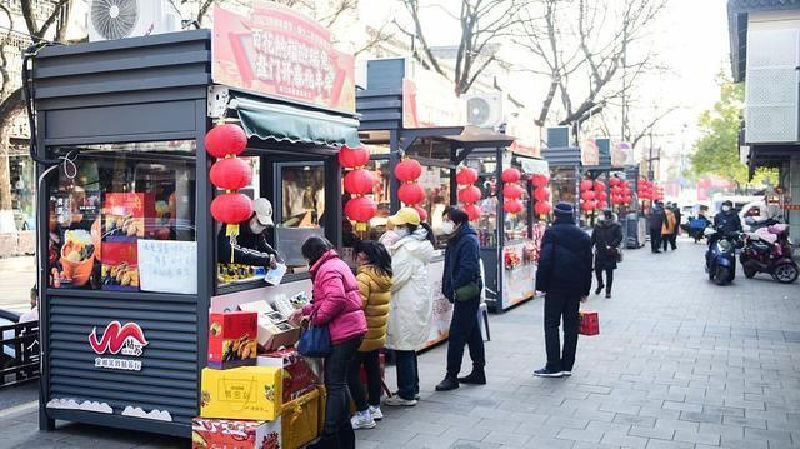
In Suzhou, Jiangsu province, the local government transformed vacant nucleic acid booths into market stalls for the Spring Festival in January 2022, offering them free of charge to businesses to sell local products, snacks, and traditional New Year goods.
The idea was not just meant as a way for small businesses to conveniently sell to local residents, it was also meant as a way to attract more shoppers and promote other businesses in the neighborhood.
3: Community Service Center
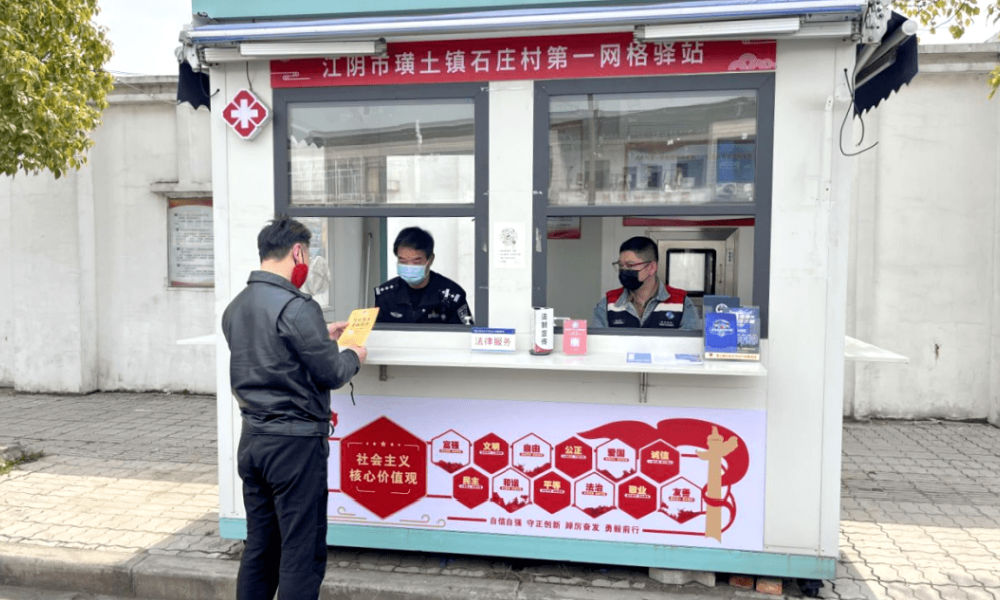
Small grid community center in Shizhuang Village, image via Sohu.
Some residential areas have transformed their local nucleic acid testing booths into community service centers, offering all kinds of convenient services to neighborhood residents.
These little station are called wǎnggé yìzhàn (网格驿站) or “grid service stations,” and they can serve as small community centers where residents can get various kinds of care and support.
4: “Refuel” Stations
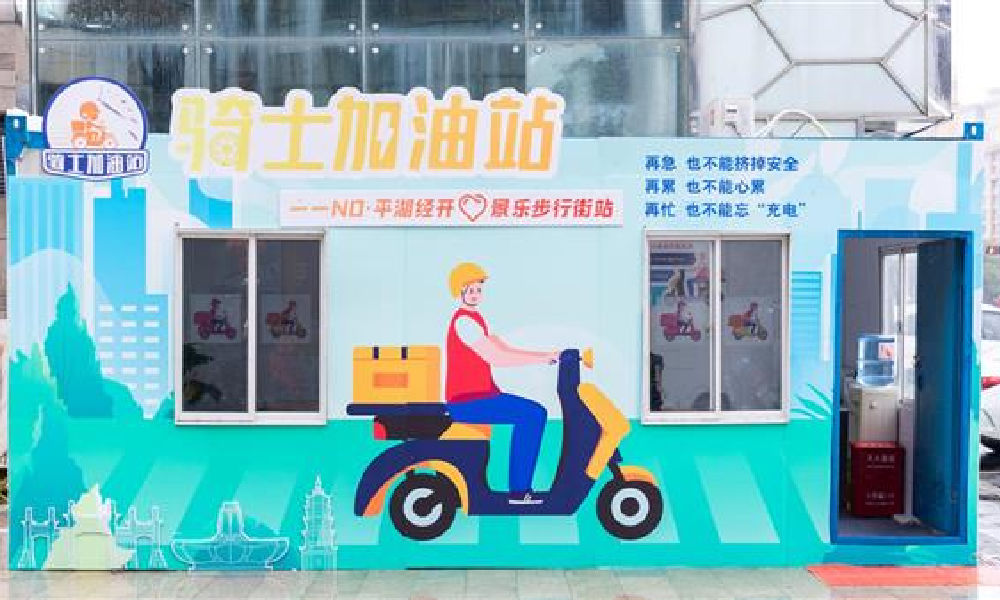
In February of this year, 100 idle nucleic acid sampling booths were transformed into so-called “Rider Refuel Stations” (骑士加油站) in Zhejiang’s Pinghu. Although it initially sounds like a place where delivery riders can fill up their fuel tanks, it is actually meant as a place where they themselves can recharge.
Delivery riders and other outdoor workers can come to the ‘refuel’ station to drink some water or tea, warm their hands, warm up some food and take a quick nap.
5: Free Libraries
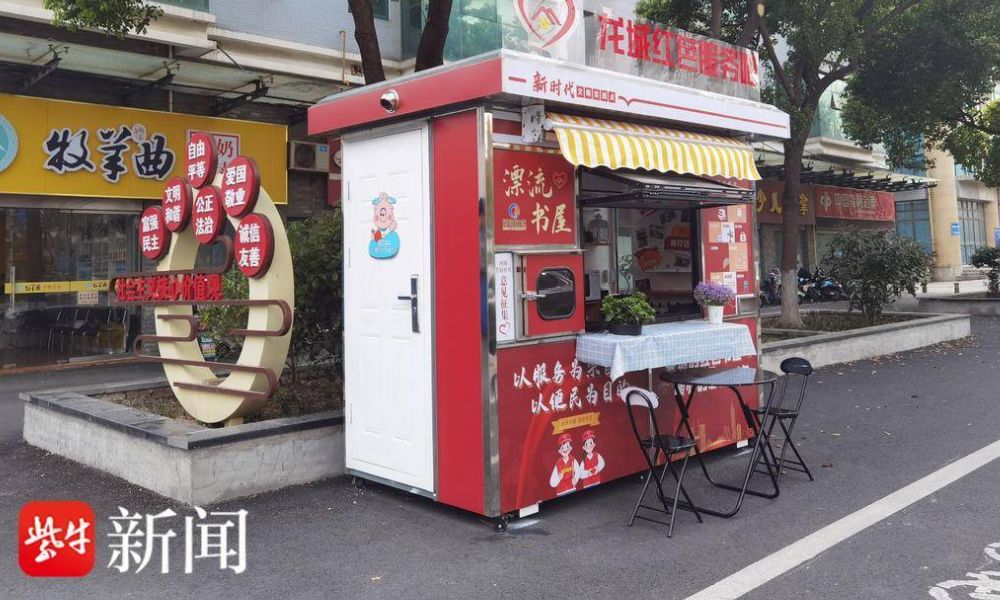
image via sohu.
In various Chinese cities, abandoned nucleic acid booths have been transformed into little free libraries where people can grab some books to read, donate or return other books, and sit down for some reading.
Changzhou is one of the places where you’ll find such “drifting bookstores” (漂流书屋) (see video), but similar initiatives have also been launched in other places, including Suzhou.
6: Study Space
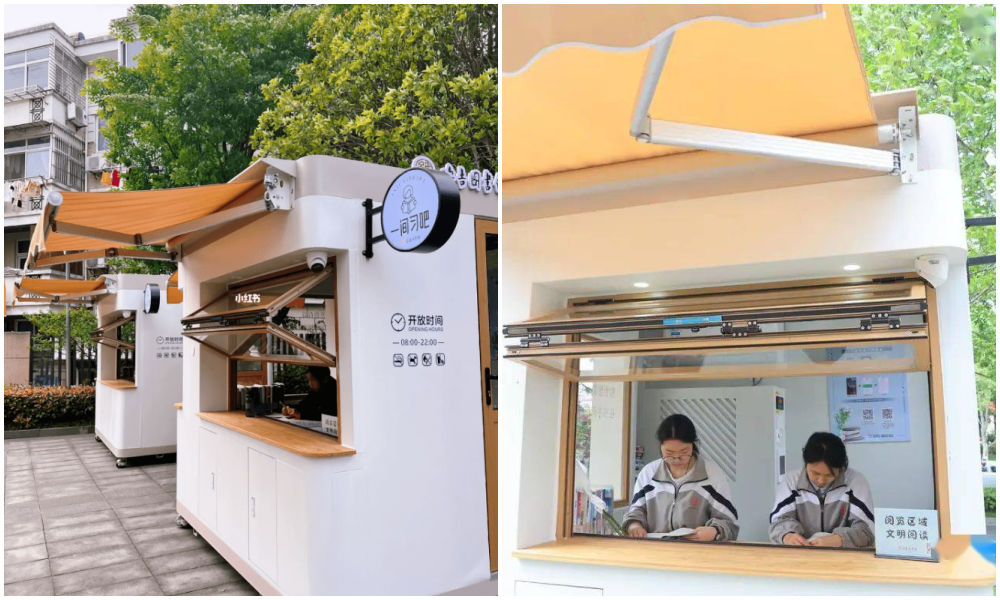
Photos via Copyquan’s article on Sohu.
Another innovative way in which old testing points are being repurposed is by turning them into places where students can sit together to study. The so-called “Let’s Study Space” (一间习吧), fully airconditioned, are opened from 8 in the morning until 22:00 at night.
Students – or any citizens who would like a nice place to study – can make online reservations with their ID cards and scan a QR code to enter the study rooms.
There are currently ten study booths in Anji, and the popular project is an initiative by the Anji County Library in Zhejiang (see video).
7: Beer Kiosk
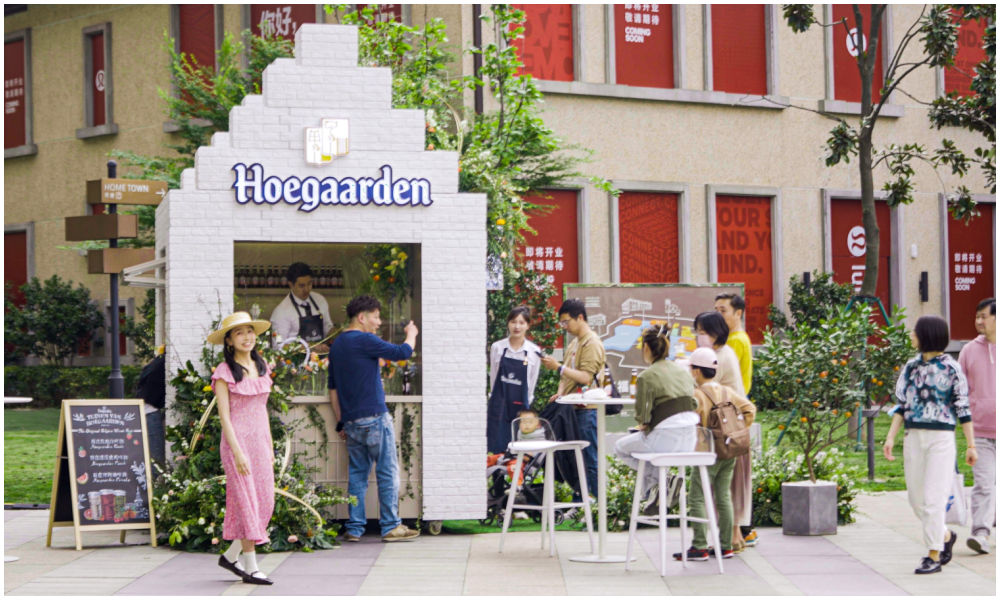
Hoegaarden beer shop, image via Creative Adquan.
Changing an old nucleic acid testing booth into a beer bar is a marketing initiative by the Shanghai McCann ad agency for the Belgium beer brand Hoegaarden.
The idea behind the bar is to celebrate a new spring after the pandemic. The ad agency has revamped a total of six formr nucleic acid booths into small Hoegaarden ‘beer gardens.’
8: Police Box
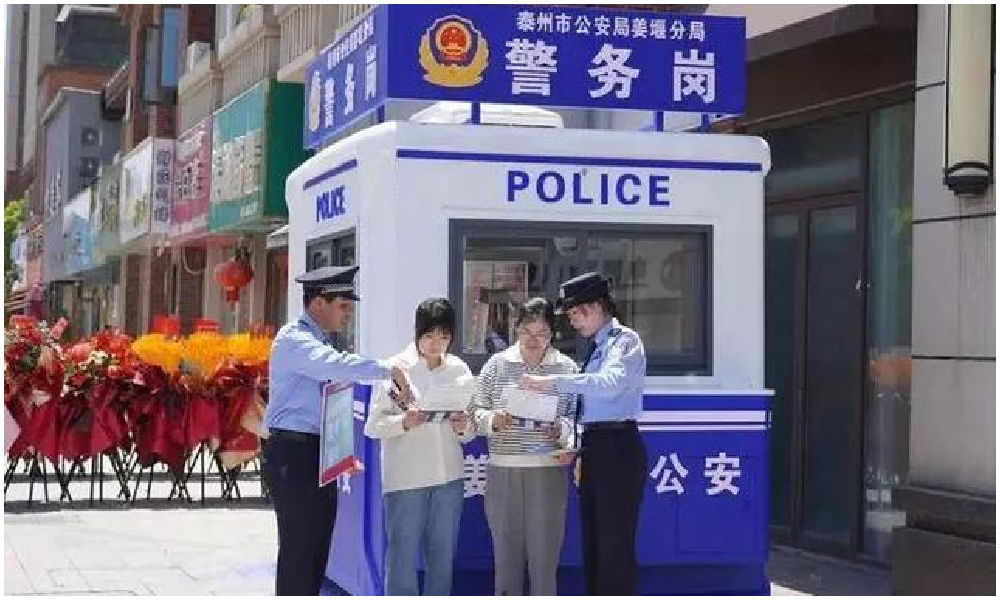
In Taizhou City, Jiangsu Province, authorities have repurposed old testing booths and transformed them into ‘police boxes’ (警务岗亭) to enhance security and improve the visibility of city police among the public.
Currently, a total of eight vacant nucleic acid booths have been renovated into modern police stations, serving as key points for police presence and interaction with the community.
9: Lottery Ticket Booths
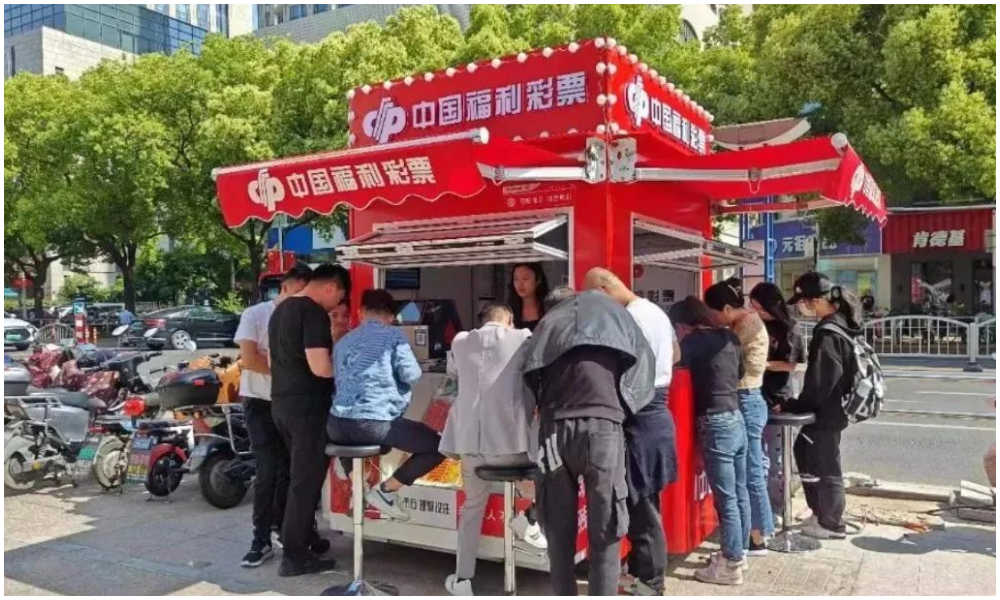
Image via The Paper
Some nucleic acid booths have now been turned into small shops selling lottery tickets for the China Welfare Lottery. One such place turning the kiosks into lottery shops is Songjiang in Shanghai.
Using the booths like this is a win-win situation: they are placed in central locations so it is more convenient for locals to get their lottery tickets, and on the other hand, the sales also help the community, as the profits are used for welfare projects, including care for the elderly.
10: Mini Fire Stations
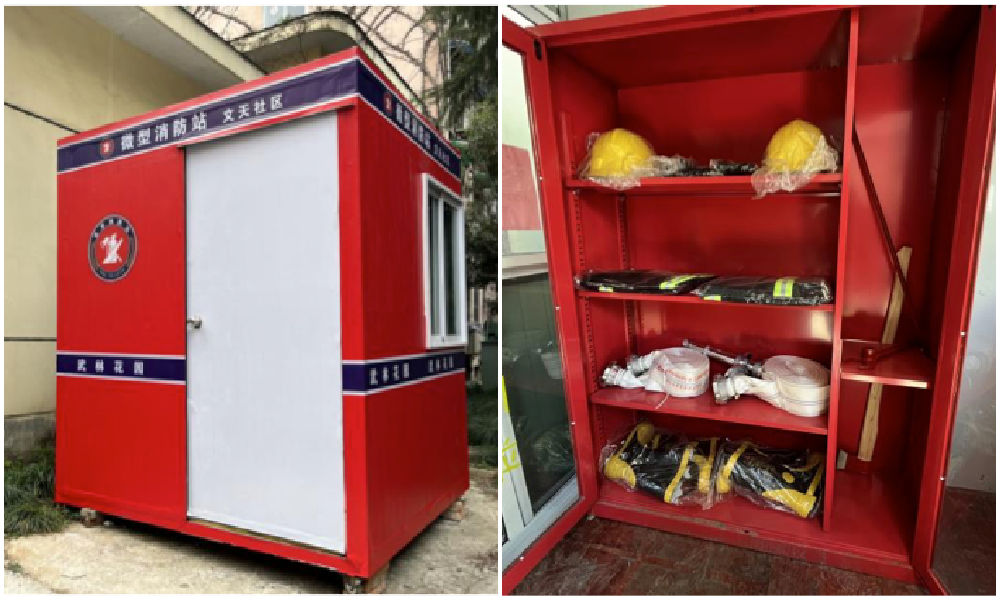
Micro fire stations, images via ZjNews.
Some communities decided that it would be useful to repurpose the testing points and turn them into mini fire kiosks, just allowing enough space for the necessary equipment to quickly respond to fire emergencies.
Want to read more about the end of ‘zero Covid’ in China? Check our other articles here.
By Manya Koetse,
Get the story behind the hashtag. Subscribe to What’s on Weibo here to receive our newsletter and get access to our latest articles:
Spotted a mistake or want to add something? Please let us know in comments below or email us. First-time commenters, please be patient – we will have to manually approve your comment before it appears.
©2023 Whatsonweibo. All rights reserved. Do not reproduce our content without permission – you can contact us at info@whatsonweibo.com.

Weibo Watch: The Future is Here

“Bye Bye Biden”: Biden’s Many Nicknames in Chinese

Enjoying the ‘Sea’ in Beijing’s Ditan Park

A Triumph for “Comrade Trump”: Chinese Social Media Reactions to Trump Rally Shooting

Weibo Watch: Get Up, Stand Up

The Tragic Story of “Fat Cat”: How a Chinese Gamer’s Suicide Went Viral

“Old Bull Eating Young Grass”: 86-Year-Old Chinese Painter Fan Zeng Marries 36-Year-Old Xu Meng

A Brew of Controversy: Lu Xun and LELECHA’s ‘Smoky’ Oolong Tea

Singing Competition or Patriotic Fight? Hunan TV’s ‘Singer 2024’ Stirs Nationalistic Sentiments

Zara Dress Goes Viral in China for Resemblance to Haidilao Apron

Weibo Watch: The Battle for the Bottom Bed

About the “AI Chatbot Based on Xi Jinping” Story

China’s Intensified Social Media Propaganda: “Taiwan Must Return to Motherland”

Weibo Watch: Telling China’s Stories Wrong

Saying Goodbye to “Uncle Wang”: Wang Wenbin Becomes Chinese Ambassador to Cambodia
-
 China Insight3 months ago
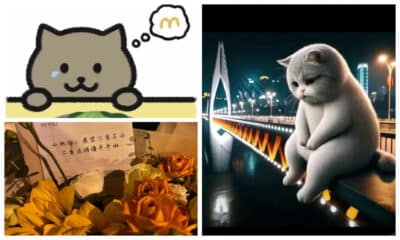
The Tragic Story of “Fat Cat”: How a Chinese Gamer’s Suicide Went Viral
-

 China Music4 months ago
The Chinese Viral TikTok Song Explained (No, It’s Not About Samsung)
-

 China Digital10 months ago
Too Sexy for Weibo? Online Discussions on the Concept of ‘Cābiān’
-

 China Arts & Entertainment12 months ago
Behind 8 Billion Streams: Who is Dao Lang Cursing in the Chinese Hit Song ‘Luocha Kingdom’?