
Chinese Signals
Baby Steps Forwards or Backwards? Call to Extend China’s Maternity Leave to Three Years
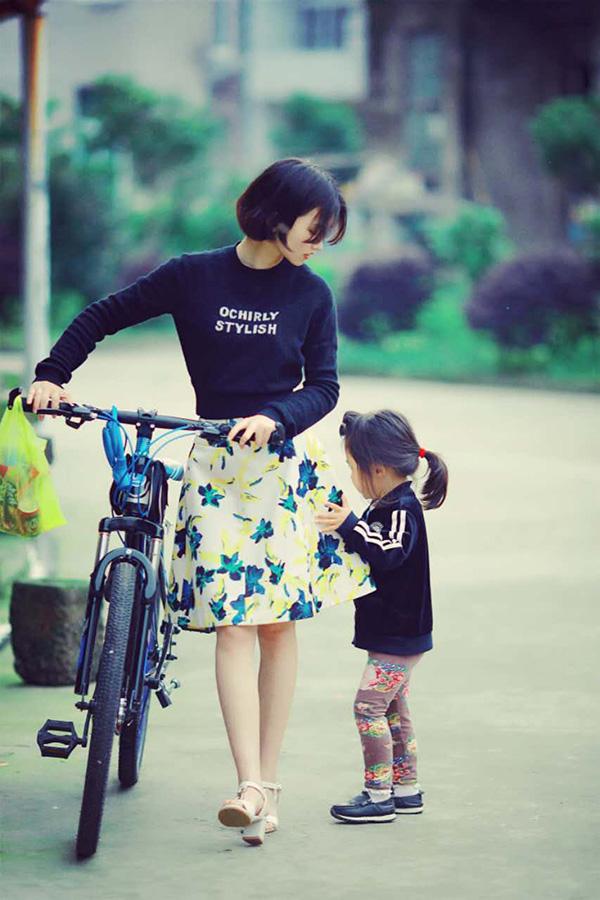
On August 10, Beijing’s National People’s Congress delegate Wang Youjun has called for an extension of women’s maternity leave to three years in order to improve the living conditions of babies and young children. The proposal has sparked online discussion.





China Insight
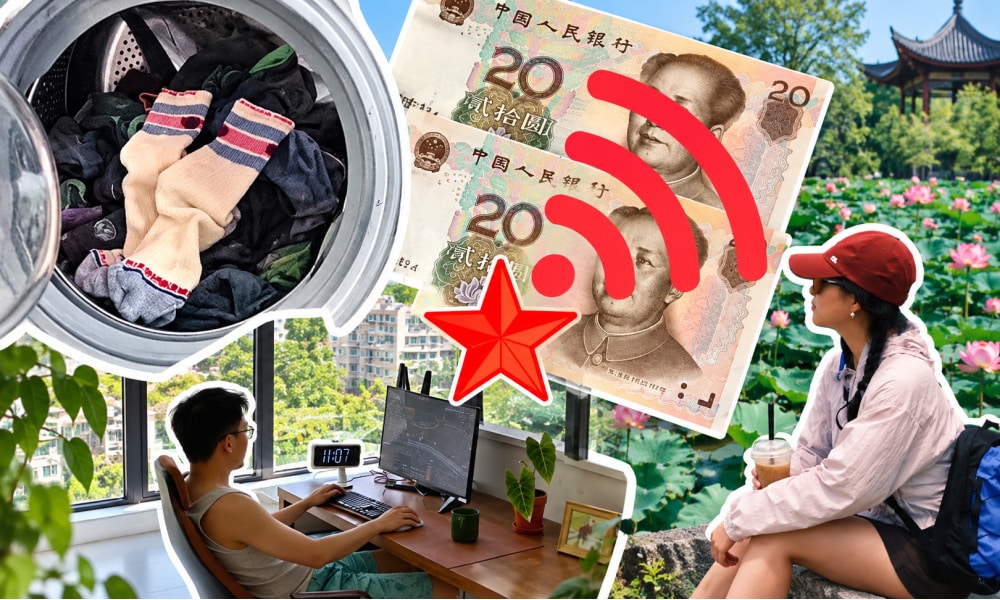
What Does 20 Yuan ($3) Mean Anymore? China’s Disappearing Living Rooms & the Great Laundry Debate
What does 20 yuan mean in China today? Why are traditional living rooms disappearing? And can underwear and socks be washed together? Plus, China’s latest travel trends.
Chinese Signals
China’s 10 Biggest Social Media Stories of 2025
From top trends to platform scandals, these were the biggest online topics of the year.

Eye on Digital China is a reader-supported publication by
Manya Koetse (@manyapan) and powered by What’s on Weibo.
It offers independent analysis of China’s online culture, media, and social trends.
To receive the newsletter and support this work, consider
becoming a paid subscriber.


Mbappé, Mao & the Backlash on Chinese Social Media

Mbappé, Mao, and the Joke That Shall Not Be Named

The French Protests, Viewed from China: Five Narratives on Chinese Social Media

What Does 20 Yuan ($3) Mean Anymore? China’s Disappearing Living Rooms & the Great Laundry Debate

Starbucks Goes Xinjiang & The Kardashians in China

Why Japan Has So Many Surnames, China’s Back-to-School Shifts & Taiwan Pavilion Trouble

The Power of Ugly: Why Niu Lai Became China’s Unlikeliest Box-Office Hit

The Rise of “Shuaqi-ism,” Taking Starbucks to the Fields, and Pretending to Go to Work

AI Actress Ad Pulled, Baihaitun Disrupts Shanghai and Cicada Meme Bugs Huawei

Blame Games & Bad Signs: Nepal–Tibet Floods, Huawei’s Toilet Trouble, “Screwed” Graduates
-

 Chinese New Year9 months ago
Inside Chunwan 2026: China’s Spring Festival Gala
-

 China Brands, Marketing & Consumers12 months ago
Hasan Piker’s China Trip & the Unexpected Journey of a Chinese School Uniform to Angola
-

 Chapter Dive8 months ago
Inside the Great Chinese Debate Over the Iran War
-

 China Trend Watch12 months ago
Japan Tensions, Nexperia Fallout, Yunnan’s ‘Wild Child,’ & “Modern Opium”
Alexander
August 21, 2014 at 3:17 am
Interesting article. It is however not completely true that the current maternity leave program in China is on par with the German one. Although they will not get any kind of money from their employer or insurance after 14 weeks, something similar to China, other social programs will step in so that the family will not end in a much worsened situation, money wise. Additionally, employers have to guarantee a position to the mother and father for a combined total of 3 years, in which one of them can decide stop work and care for their child full time. China has not yet reached the type of social welfare state that most Western-European countries have and comparing them is therefore rather useless. Even though there have been a lot of demands by German people to make Germany a more “Family-Friendly” state, they experience nowhere the hardship most Chinese families experience while raising children. Don’t get me wrong, I think the demands are a step in the right direction, but feel a bit over the top, as not even a basic social welfare system takes care of those in need. Of course one could go on and on about the these things as they also relate to other fields of politics and economics. Again, nice article.